 EN
EN

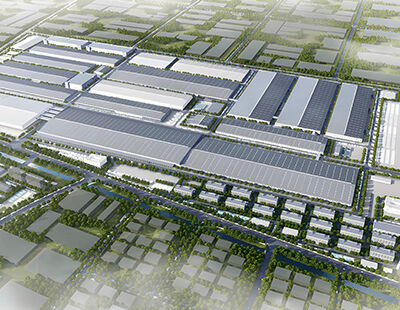
Why Steel Structure Is Ideal for Industrial Plant Renovation
Steel buildings bring some serious benefits when it comes to updating old industrial plants. They let designers work with all sorts of shapes and sizes while still standing up to tough conditions over time. The strength to weight ratio is pretty impressive too. This means big open spaces without columns everywhere, which makes rearranging equipment much easier. Prefab parts cut down on construction time significantly compared to older building techniques, so factories can get back online faster after renovations. Proper treatment keeps steel from rusting, bugs from damaging it, and protects against fires as well. That kind of protection means less worry about maintenance costs down the road. Plus, steel can be recycled completely, making it a green choice for retrofit projects. And because these structures are built in modules, companies can expand vertically later or tweak things as business needs change. For facilities that need modernizing but want to keep costs under control, steel offers practical solutions that stand the test of time.
Key Steel Structure Application Cases in Renovation
Brownfield Conversion: Textile Mill to Innovation Hub (Manchester, UK)
What used to be a run-down textile mill from the 1800s has now become something completely different – a buzzing center for innovation, all thanks to some serious steel framing work. They kept those old brick walls standing as a nod to history, but inside everything changed dramatically. The floor plan got totally reworked with these open steel grid systems that somehow managed to create 40 percent more usable area without actually making the building any bigger. And because steel is so strong yet light weight, they could build out these cool cantilevered sections where people can work together face to face. Think about it: instead of tearing down this historic place and starting fresh, which would have created mountains of construction debris, they found a way to give new life to what already existed. The result? About two thirds less waste overall when compared to traditional methods of knocking things down and rebuilding from scratch.
Vertical Extension Using Prefabricated Steel Structure on Historic Factory (Berlin)
An old 1920s textile factory needed more room for operations, so engineers built three extra floors using prefabricated steel components. The steel framework put less strain on the original brick walls, which meant they didn't have to spend money reinforcing the foundations. Since most of the work happened off site, crews could install everything during weekend closures when the factory wasn't running. This approach shaved about 30% off the total construction time. What's really interesting is how they incorporated solar shading into the steel frame itself. This simple addition cut down on energy costs by around 15%. The whole project shows that adding height to historic buildings doesn't have to mean sacrificing their character for modern needs.
Hybrid Retrofit: New Steel Trusses Integrated with Existing Masonry Shell (Lyon, France)
In Lyon's old industrial area, someone actually converted an old warehouse by keeping those cool stone walls but adding these big steel trusses so there are no columns blocking the view in spaces. They made special laser cut steel pieces that fit exactly into the uneven stone walls, which helped transfer weight properly without causing problems. The whole mix kept the building's ability to store heat naturally while allowing for 8 meter open spaces where people can arrange things however they want. After watching how it performed for almost a year and a half, engineers found vibrations dropped by about 90% compared to completely rebuilding from scratch. That makes sense why this approach works well technically and saves money too when running the place day to day.
Critical Considerations for Steel Structure Implementation
Material Reuse and Lifecycle Extension of Structural Steel
When it comes to retrofitting industrial plants, reusing old steel frameworks saves money and helps the environment at the same time. Steel structures actually keep about 97% of their strength even after a century if they're looked after properly, according to research from the Construction Materials Institute back in 2023. This means engineers can work with those old beams, columns, and trusses when redesigning spaces instead of starting from scratch. The process involves careful demolition where only what needs to go gets removed, plus detailed mapping of components so nothing valuable gets tossed away. Companies report saving anywhere between 30% to almost half on renovation expenses compared to building everything new. What really matters though are these specific steps: checking beam thickness with ultrasonic tests, applying special coatings to fight rust, and reinforcing certain areas strategically. These methods turn outdated factories into contemporary workplaces without tearing down whole buildings just for the sake of it.
Technical Validation: Testing and Certification of Reclaimed Steel Structure
When thinking about reusing old steel components, proper checking just cant be skipped. Qualified professionals need to run these non-destructive tests, things like magnetic particle checks and hardness measurements, to spot any tiny cracks or wear and tear that might have happened during previous use. The material docs need to show everything lines up with today's specs, whether its ASTM A6 stuff or those European EN standards, by looking at both chemical makeup and how strong the metal actually is. Most times, outside labs will do some destructive tests on sample pieces to figure out if they meet minimum strength requirements around 345 MPa mark and check how much they can stretch before breaking. Keeping track of where the steel came from, what it was used for before, plus all those test results creates the paper trail needed for getting permits and passing inspections down the road.
FAQ Section
What makes steel structures ideal for industrial renovations?
Steel structures offer flexibility in design, strength, and durability while permitting large open spaces. They're constructed with prefabricated parts, reducing renovation time and costs.
How does steel contribute to sustainability in industrial renovations?
Steel is recyclable and can be reused, aiding in waste reduction during renovations. It also offers energy efficiency when incorporating elements like solar shading.
Can steel structures be integrated into historic buildings without altering their character?
Yes, steel can be added to existing structures, such as brick or stone walls, without compromising the historic character, often enhancing functionality and performance while preserving original aesthetics.