 EN
EN

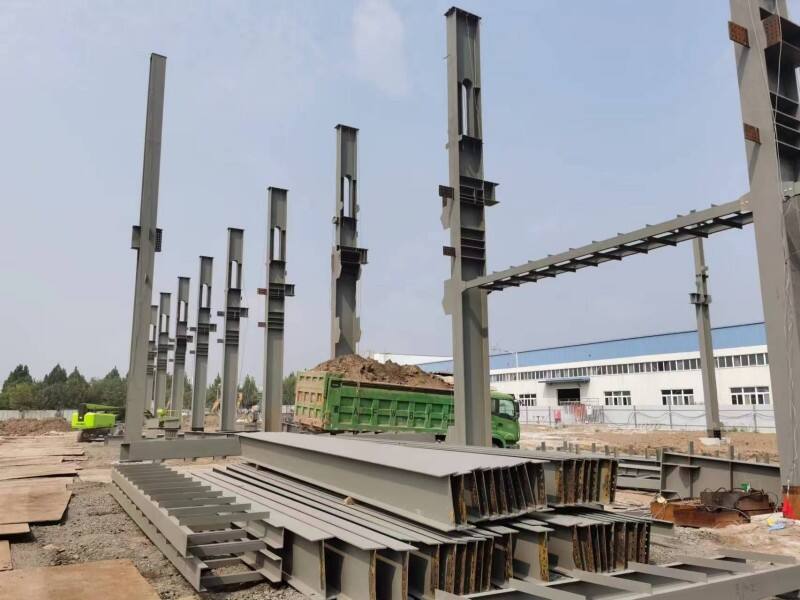
Why Steel Structure Dominates Temporary Infrastructure Projects
Steel has become the go-to material for building temporary infrastructure because it offers something no other material can match when it comes to how fast things get built, how adaptable the structures are, and the fact that they last a long time while being good for the environment. When we talk about prefabricated parts, these allow for really quick assembly work. Projects take about half the time they would using old school methods, which matters a lot in situations where people need shelter right away after disasters strike. Steel's strength relative to its weight makes possible all sorts of modular designs that don't just stay put forever. They can actually come apart, move somewhere else, and then go back together again at different locations, making sure resources aren't wasted. From an environmental standpoint, steel stands out since it can be recycled completely without losing any quality, something that fits well with those circular economy ideas everyone keeps talking about lately. Money wise, there are savings too. Less labor needed when putting things together or taking them down, plus not much maintenance required over time, and buildings made this way often last more than half a century. All these factors explain why steel remains the best bet for temporary shops, pop up events in cities, and similar short term projects that need structures capable of handling whatever happens next while still being able to find new homes later on.
Key Applications of Steel Structure Across Critical Temporary Infrastructure
Steel structures deliver unmatched versatility across temporary infrastructure needs, combining rapid deployment with robust performance. Two primary applications demonstrate this adaptability:
Emergency Shelters and Disaster Relief Facilities
Steel buildings often become lifesavers when disasters strike or wars force people from their homes. The pre-made parts mean these shelters can go up within three days at most something that matters a lot when folks need somewhere safe to sleep fast. Regular building materials just don't hold up as well against storms or get moved around without falling apart. Take those modular designs with built-in bathrooms for instance. They pack in around 500 residents per acre of land space. What's really interesting is how they start off as emergency medical stations but then transform into longer term living spaces as things settle down after the crisis passes.
Temporary Retail, Exhibition, and Urban Activation Spaces
Steel really shines when it comes to pop up markets, seasonal events, and city renewal initiatives because of how flexible it is in design terms. These clear span buildings that can stretch over 100 meters across give us those open interior spaces perfect for shows or temporary shops. Plus, the exteriors can be tailored to match specific brand identities which matters a lot these days. Take a standard 1000 square meter steel structure for instance. Such a building turns empty plots into money makers almost overnight. What’s even better? The whole thing comes apart easily so it can be moved somewhere else later on. We've seen this cut down on event setup expenses by roughly 40 percent compared to traditional construction methods according to industry reports.
Designing for Reuse: Disassembly, Relocation, and Lifecycle Efficiency of Steel Structure
Steel buildings have changed how we think about temporary infrastructure because they can be used again and again. The way these structures are built makes them easy to take apart with bolts instead of tearing things down completely, which saves materials. Plus, since most parts follow standard sizes, moving them from one location to another isn't so complicated. Looking at the bigger picture, there are real benefits over time. According to research from the Circular Economy Institute back in 2023, putting old steel structures back into service needs only about a quarter of the energy compared to building something brand new. That means much less carbon gets locked into the environment and we don't need as many raw resources either.
Design-for-Deconstruction and Modular Reconfiguration Protocols
Implementing design-for-deconstruction (DfD) principles ensures maximum recoverability. Key protocols include:
- Connection standardization: Using high-cycle bolt types compatible with repeated assembly
- Material purity: Avoiding composite or bonded assemblies that hinder separation
- Digital twin integration: Embedding QR-coded component tracking for reuse logistics
Modular reconfiguration allows structures to evolve functionally—emergency shelters, for instance, can transition into retail or community spaces through targeted component swaps. Pre-engineered interfaces preserve structural integrity during adaptation, reducing redeployment costs by 30% and slashing associated carbon emissions.
Table: Steel Reuse Efficiency Metrics
| Metric | New Construction | Reused Structure | Improvement |
|---|---|---|---|
| Material Recovery Rate | 45% | 92% | +104% |
| Redeployment Timeline | 8 weeks | 10 days | -75% |
| Lifecycle Carbon Reduction | Baseline | 12.8 tonnes | 68% |
DfD protocols transform temporary projects into circular resource pools—where components re-enter construction cycles indefinitely—establishing steel as the sustainable backbone for adaptive infrastructure.
Execution Excellence: Prefabrication, Logistics, and Rapid On-Site Erection of Steel Structure
Prefabrication revolutionizes temporary infrastructure by shifting critical manufacturing off-site. Controlled factory environments enable millimeter-precise fabrication of steel components—eliminating weather delays and reducing material waste by up to 30% compared to traditional methods. Components arrive pre-drilled, pre-cut, and ready for assembly, accelerating project timelines by 30–50%.
Logistics optimization enhances efficiency through sequenced, just-in-time deliveries aligned with erection schedules. Modular systems ship in installation-order kits: column-and-beam frames first; wall and roof panels follow primary frame completion; and connective hardware arrives in standardized packaging—minimizing on-site storage and workflow disruptions.
When building these pre-engineered steel structures on site, specialized teams follow a pretty straightforward process. They start by putting up the main frame, then add the secondary support structures, and finally install the outer cladding. The whole system works so well that it actually saves about 40% in labor time compared to traditional methods. What does this mean? Buildings can be ready for people to move into in just a few weeks instead of waiting months. That's why steel construction makes such good sense for emergency shelters after disasters or temporary retail spaces that need to get up and running fast. Plus, since there's less work happening at the actual construction site, nearby residents don't experience as much noise and traffic disruptions, and workers generally face fewer safety risks during the build.
FAQ
Why is steel preferred for temporary infrastructure projects?
Steel is ideal due to its rapid assembly, adaptability, and durability. It supports fast construction, allows for modular designs, and is environmentally friendly with full recyclability.
How does steel contribute to sustainability in construction?
Steel contributes to sustainability by being fully recyclable and reducing energy usage when reused. This aligns with circular economy principles, minimizing waste and reducing environmental impact.
What are key examples of steel structures in temporary infrastructure?
Key examples include emergency shelters and pop-up retail spaces. These utilize steel for their rapid deployment, adaptability to changing uses, and capability to withstand various environmental conditions.
How does the design-for-deconstruction (DfD) principle impact steel structures?
DfD principles allow steel structures to be disassembled and reused efficiently, enhancing material recovery and reducing waste, which lowers costs over time.
Table of Contents
- Why Steel Structure Dominates Temporary Infrastructure Projects
- Key Applications of Steel Structure Across Critical Temporary Infrastructure
- Designing for Reuse: Disassembly, Relocation, and Lifecycle Efficiency of Steel Structure
- Execution Excellence: Prefabrication, Logistics, and Rapid On-Site Erection of Steel Structure
- FAQ