 EN
EN

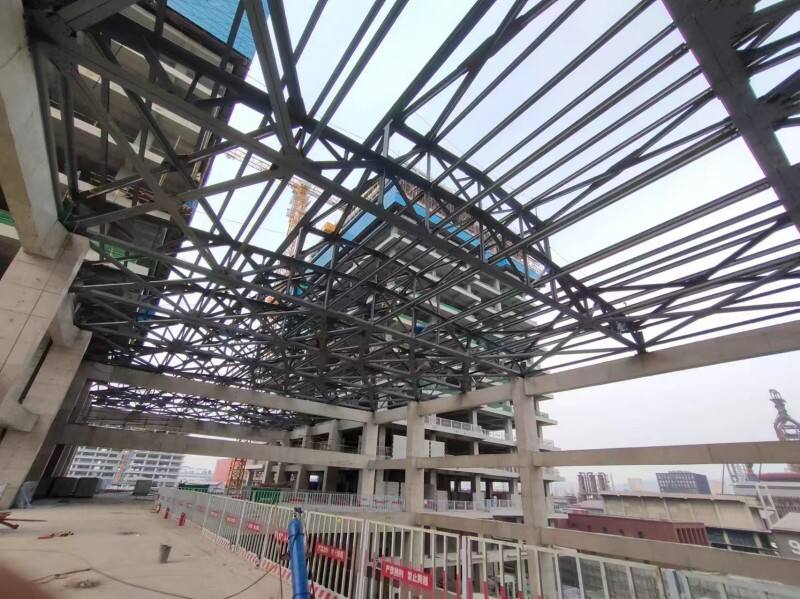
Aligning Steel Structure Design with Functional Purpose
Matching Structural Configuration to End-Use: Workshop, Warehouse, Aircraft Hangar, or Residential Steel Building
Steel structures aren't one size fits all they need to be built specifically for what they'll actually do. Take warehouses for instance they need those big open spaces with plenty of headroom so pallets can stack properly and forklifts can maneuver around. Aircraft hangars are completely different story requiring enormous doors sometimes over 150 feet across just to get planes in and out. When it comes to homes, builders focus on walls that can move around as families grow and change plus good insulation to keep heating bills down. Workshops present their own challenges needing floors strong enough to hold heavy equipment (some need up to 500 pounds per square foot) along with proper air flow systems for machines that generate heat and dust. According to recent industry data from last year, almost four out of five work slowdowns happen because buildings simply don't match how people actually use them day to day. That's where modular steel framing really shines creating spaces free of columns that can stretch over 300 feet wide. This makes room for things like extended loading areas with protective canopies or soundproof rooms inside manufacturing facilities where noise control is critical.
Translating Operational Needs into Technical Specifications for Steel Structure Performance
The way operations function sets the stage for engineering decisions. Warehouse layouts often dictate column spacing around 25 to 30 feet apart based on how people and equipment move through the space. Roof slopes vary depending on snow accumulation, usually between 1:12 and 4:12 ratios in areas prone to heavy winter weather. Buildings located in earthquake-prone regions benefit from special framing systems that incorporate base isolators, cutting down structural stress during quakes by roughly 40%. When it comes to corrosion protection, coastal facilities need extra durable materials like galvanized steel with at least 600 grams per square meter of zinc coating, which extends their lifespan significantly when exposed to salty ocean air. Important building standards cover things like wind resistance capable of handling speeds over 120 miles per hour thanks to hurricane clips, proper insulation levels (R-30) for temperature controlled spaces, and modular expansion options allowing buildings to grow by about 20% in floor area. All these operational needs get translated into actual construction specifications including connection details, foundation strength calculations, and compliance checks against established codes like the International Building Code.
Leveraging Modular Flexibility in Pre-Engineered Steel Structures
Optimizing Clear-Span Layouts and Roof Pitch for Space Efficiency and Utility
Steel structures that are pre-engineered create maximum usable space because they have those column-free clear spans. This matters a lot when moving equipment around, operating overhead cranes, or setting up mezzanine storage in warehouse spaces and workshop environments. When it comes to roof pitch, customization depends on local climate conditions. In dry areas where there's little rain, builders often go with low slope roofs since they use fewer materials and help control solar heat gain. But in places that get heavy snowfall, steeper roof angles become necessary to let snow slide off properly and prevent dangerous weight buildup. Modern engineering tools now calculate exactly how loads will distribute across different configurations. These calculations maintain structural strength while cutting down on unnecessary materials. According to the Modular Building Institute from 2023, this modular building method actually reduces construction waste by about 23% compared to traditional approaches. The result? Better use of available space plus real environmental benefits that matter to businesses looking at long term costs and sustainability goals.
Ensuring Future Scalability Through Interchangeable Steel Structure Components
When buildings use standard columns, beams, and wall panels along with consistent connection methods, they make it possible to expand or change layout without tearing anything down. Companies can simply add new production areas, stretch out existing spaces, or tweak entry points by plugging in already tested modules. Whether going up with second floor mezzanines or adding on extra wings horizontally, these changes keep the structure solid while operations continue running smoothly. The real advantage here is that buildings stay useful longer before becoming outdated, which means big savings over time. Studies show costs drop around 30% compared to regular construction methods because parts get reused, there's less need for major renovations, and businesses don't have to shut down completely when making improvements.
Adapting Steel Structure Solutions to Site-Specific and Regulatory Demands
Enhancing Weather, Seismic, and Corrosion Resilience via Material and Detailing Customization
What happens on site really determines what materials get used and how things need to be detailed. Take coastal areas for instance. Salt air eats away at metal so fast that builders often go with hot dip galvanized steel or stainless alloys instead of regular stuff. Up north where it snows a lot, roofs have to slope more steeply and frames need reinforcement to hold all that weight without collapsing. And then there's places near active faults like along the Pacific Rim. Those buildings need special connections that can bend without breaking plus base isolators that absorb earthquake energy. The specifics matter too much to ignore. Thickness of materials, what kind of coating goes on them, how joints are made all depend on local factors like humidity levels, extreme temperatures we see year round, and how much sunlight beats down on surfaces day after day. A recent look at infrastructure spending showed something eye opening: when companies skip proper corrosion protection measures, they end up losing around $740k every year just from damaged equipment alone. Makes sense why planning ahead pays off big time in these situations.
Meeting Local Building Codes with Engineering-Backed Steel Structure Modifications
Meeting regulatory standards doesn't happen by making random tweaks here and there. Instead, we rely on modifications that have been thoroughly tested and validated by engineers. Take for instance how structures along coastlines need extra bracing to handle those powerful hurricane winds. Or when buildings close to city lots get treated with special expanding fireproof coatings because of strict neighborhood fire regulations. Sometimes foundations just need digging deeper so they sit safely beneath the ground freezing point in certain regions. All these changes go through what's called finite element analysis, basically computer simulations that check if everything meets building code requirements like IBC and ASCE 7 standards. The whole process takes time upfront but pays off big time later on. Municipal approval comes much faster this way, no need for those frustrating last minute design fixes after paperwork has already gone out for review.
FAQ Section
What is the importance of aligning steel structures with their functional purpose?
Aligning steel structures with their functional purpose ensures efficiency and safety. For example, warehouses need large open spaces, while aircraft hangars require large doors. Ensuring structures meet these requirements can prevent operational slowdowns.
How do operational needs influence steel structure design?
Operational needs dictate aspects like column spacing, roof slope, and choice of materials. This ensures structures can accommodate activities within them, like movement of equipment or resilience to environmental factors.
What advantages do pre-engineered steel structures provide?
Pre-engineered steel structures offer clear-span layouts, customized roof pitches, and are adaptable to changing needs, which optimizes space usage and reduces construction waste.
How do steel structures adapt to site-specific and regulatory demands?
Through the use of appropriate materials and detailing, such as corrosion-resistant alloys in coastal areas, and compliance with local building codes using engineering-backed modifications.
What is the benefit of using interchangeable steel structure components?
Interchangeable components allow buildings to be modified or expanded without significant demolition, saving costs and extending the building's useful life.
Table of Contents
- Leveraging Modular Flexibility in Pre-Engineered Steel Structures
- Adapting Steel Structure Solutions to Site-Specific and Regulatory Demands
-
FAQ Section
- What is the importance of aligning steel structures with their functional purpose?
- How do operational needs influence steel structure design?
- What advantages do pre-engineered steel structures provide?
- How do steel structures adapt to site-specific and regulatory demands?
- What is the benefit of using interchangeable steel structure components?