 EN
EN

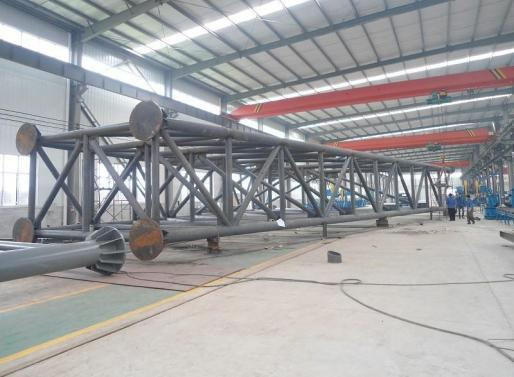
Core Advantages of Steel in High-Rise Construction
High-rise buildings (20+ stories) demand structural systems that balance weight, strength, and flexibility—areas where steel outperforms concrete and timber:
- Weight Reduction: Steel frames are 60% lighter than concrete equivalents, cutting foundation costs by 30–35% for buildings over 50 stories.
- Construction Speed: Prefabricated steel components reduce high-rise construction time by 40% (e.g., New York’s 111 West 57th Street, a 91-story steel-framed tower, was completed in 36 months vs. 60+ months for concrete alternatives).
- Seismic Resilience: Steel’s ductility allows it to absorb seismic energy, with steel high-rises showing 75% less structural damage than concrete buildings in 6.0+ magnitude earthquakes (FEMA 2024 data).
Cost-Benefit Analysis for High-Rise Steel Structures
|
Cost Component
|
Steel Structures
|
Concrete Structures
|
|
Foundation Costs
|
30–35% lower
|
Standard
|
|
Construction Labor
|
25–30% lower (prefabrication)
|
Standard
|
|
Lifecycle Maintenance
|
\(0.45–\)0.60/sq. ft./year
|
\(0.80–\)1.10/sq. ft./year
|
|
50-Year Total Ownership Cost
|
22–28% lower
|
Standard
|
A 2025 study by the Council on Tall Buildings and Urban Habitat (CTBUH) found that steel-framed skyscrapers generate 18% higher net operating income due to faster occupancy and lower maintenance downtime.
Sustainable Innovations in High-Rise Steel Design
- Green Steel Integration: High-rises using hydrogen-smelted steel reduce embodied carbon by 90% compared to traditional steel, meeting LEED Platinum requirements (e.g., Toronto’s First Canadian Place retrofitted with green steel components, cutting carbon footprint by 45%).
- Solar-Integrated Steel Facades: Photovoltaic (PV) panels embedded in steel curtain walls generate 15–20% of a building’s energy needs—steel’s structural strength supports heavier PV loads without additional framing.
- Adaptive Reuse Potential: 90% of steel high-rises can be repurposed (e.g., office-to-residential conversions) vs. 55% of concrete towers, extending building lifespans by 30+ years.
Case Study: Shanghai Tower (632m) – Steel’s Role in Ultra-Tall Design
- Steel Core System: The tower’s composite steel-concrete core reduces wind-induced sway by 60%, with steel bracings absorbing 80% of lateral forces.
- Construction Efficiency: Prefabricated steel modules cut on-site labor by 50%, enabling completion of 4 floors per week (3x faster than concrete).
- Sustainability Metrics: 95% of steel used was recycled, and the tower’s steel-based HVAC system reduces energy use by 30% compared to similar concrete skyscrapers.