 EN
EN

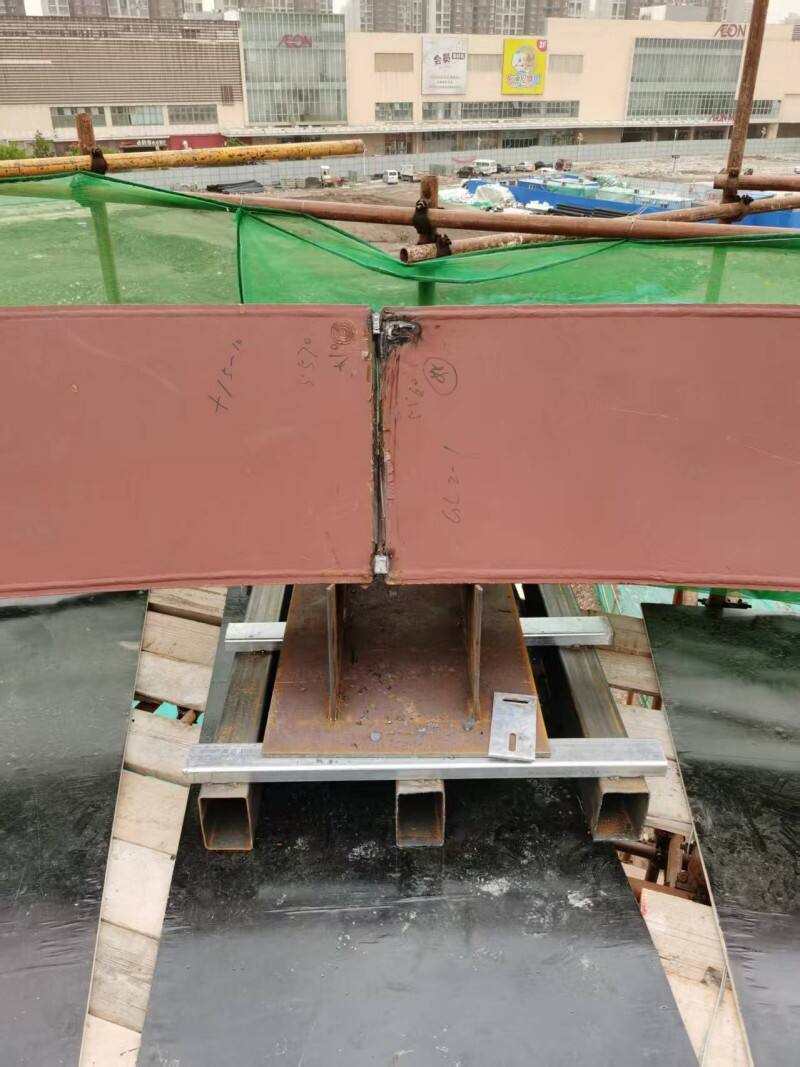
Intumescent Coatings: Chemistry, Performance, and Real-World Validation for Steel Structure Protection
How Intumescent Coatings Expand and Insulate Steel Structures Under Fire Conditions
Intumescent coatings work by triggering a chemical reaction when temperatures reach around 200 degrees Celsius. The main ingredient, usually ammonium polyphosphate, starts releasing phosphoric acid. This acid takes carbon-based materials like pentaerythritol and turns them into something called a char that can withstand heat. Then comes melamine and other gas generators that puff up this char layer, sometimes making it fifty times thicker than before. What we get is an insulating barrier full of tiny air pockets that doesn't conduct heat well. This helps keep the steel underneath cool much longer, slowing down how fast it heats up past about 550 degrees where steel really starts losing strength. If properly applied and tested according to standards, these coatings can hold up structures for anywhere between an hour and two hours during fires, giving people crucial extra time to escape and firefighters to do their job safely.
Nano-Enhanced vs. Conventional Coatings: Fire Resistance Gains on High-Strength Steel Members
Intumescent coatings enhanced with nanotechnology show real improvements compared to regular versions, especially when applied to tough steels such as S690 grade material. Conventional coatings typically contain additives at the micron level which create inconsistent char formations and weak spots during fire exposure. By contrast, nanoparticles like silica or clay below 100 nanometers spread much more evenly throughout the coating base. This even distribution strengthens how the protective char expands and forms cells during heating events, leading to better overall protection against structural failure under extreme conditions.
- 25–40% higher residual char strength at 600°C
- 15–30% lower heat transfer rates
- Superior adhesion to high-performance alloys such as S690
The refined char resists cracking and mechanical stress during fire exposure, preserving insulation continuity. Independent testing confirms nano-enhanced systems achieve 120-minute fire ratings at 25% reduced dry-film thickness—enabling slimmer, architecturally integrated protection without compromising safety.
Lessons from Shanghai Tower: Field Performance of Upgraded Steel Structure Fireproofing
Shanghai Tower’s 2022 fire safety retrofit—covering 85,000 m² of structural steel—validated the real-world impact of nano-titanate-enhanced intumescent coatings. Thermal modeling identified vulnerability in composite columns, prompting replacement of legacy systems with the upgraded formulation. Controlled fire simulations post-retrofit demonstrated substantial improvements:
| Performance Metric | Legacy Coating | Nano-Enhanced | Improvement |
|---|---|---|---|
| Time to 500°C (minutes) | 68 | 121 | 78% |
| Post-fire adhesion retention | 45% | 92% | 104% |
| Smoke density reduction | — | 63% | — |
Crucially, the system prevented thermal buckling in load-critical transfer trusses—confirming predictive models used to optimize coating thickness. This case illustrates how modern intumescent technology extends safety margins while reducing material use and lifecycle costs.
Hybrid Passive–Active Systems: Integrating Cladding and Smart Triggers for Steel Structure Fire Resilience
Ceramic Fiber–Reinforced Cladding: Thermal Lag Benefits for Composite Steel-Concrete Columns
Ceramic fiber reinforced cladding works by creating a thermal lag effect that slows down how quickly heat gets into composite steel concrete columns. The material forms tiny insulating layers that soak up and spread out heat energy, which means the columns stay cooler for longer periods. Tests show this can cut temperature increases by anywhere between 40% and 65% when compared to columns without protection. What makes this really important is that these materials provide around 90 to 120 minutes of structural integrity during fires. That time frame matches what building codes require for safe evacuation in high rises and meets the compartmentalization standards most cities now enforce for fire safety.
Real-Time Feedback Loops: Linking Cladding Temperature Sensors to Active Sprinkler Activation
Putting temperature sensors inside ceramic cladding turns what was just basic protection into something much smarter and safer. If the surface gets too hot, around 300 degrees Fahrenheit or so which means trouble for the steel underneath, these sensors kick in and start sprinklers within about 8 seconds flat. Cooling happens fast enough to stop the steel from getting dangerously hot, say around 1022 degrees for certain types of steel, which helps prevent those nasty problems with expansion and bending during fires. Real world tests have found that combining this sensor tech with traditional methods cuts down on structural damage from fires by nearly 60% compared to old school passive systems alone. Makes sense really when thinking about building better defenses against fire hazards.
Inherent Fire Resistance Through Composite Design: Steel-Concrete Members for High-Rise Steel Structures
Steel and concrete combined in building systems offer natural protection against fires because concrete has this amazing ability to hold heat and doesn't conduct it well, which protects the steel framework underneath. When exposed to intense heat, concrete basically soaks up the thermal energy and slows down how fast it moves through the material. Studies have shown that if everything is designed correctly, these concrete layers can keep structures functional even when temperatures reach around 1,000 degrees Celsius for about an hour straight. Building codes like EN 1994-1-2 and ASCE/SEI 7-22 actually set specific rules about how thick these protective layers need to be. For instance, columns rated to last two hours under fire conditions typically require at least 40 millimeters of concrete cover. What makes this combination work so well is that steel handles tension forces while concrete deals with compression and insulation. We see this principle applied practically in things like hollow steel tubes filled with concrete or special beam designs where the materials work together instead of fighting each other. These composite systems often cut down on extra fireproofing materials needed later on, saving construction companies between 15 to 30 percent in long term maintenance expenses compared to adding fire protection after the fact. Plus, meeting those important fire safety regulations becomes much easier too.
Thermal-Mechanical Behavior of High-Strength Steel: Buckling Thresholds and Design Implications for Steel Structures
Critical Temperature Shift in S690 vs. S355 Steel: Why Grade Choice Matters in High-Rise Column Fire Design
High strength S690 steel allows for lighter buildings and better efficiency in skyscrapers, but when it comes to fire resistance, things get interesting compared to regular old S355 steel. Research indicates that standard S355 keeps about 60% of its strength even when heated to around 600 degrees Celsius. However, S690 starts losing similar amounts of strength much sooner, at only 450 degrees Celsius according to a study published back in 2006 by the Journal of Structural Engineering. That means there's a significant difference in how these steels behave under extreme heat. When we look at actual fires following ISO 834 standards, columns made with S690 tend to buckle approximately 30% quicker because they lose their stiffness earlier and expand differently than other building components nearby. For engineers wanting to use S690 in important structural parts like columns, this presents real challenges. They need to apply thicker fireproofing layers which can increase material expenses between 15 and 25 percent, or find alternative protective methods that combine different approaches. What all this shows is that assessing fire safety shouldn't just focus on how strong something looks on paper during normal conditions. We have to consider how materials interact thermally and mechanically throughout the entire lifespan of a building.
FAQ
What is the role of intumescent coatings in fire safety?
Intumescent coatings work by creating an insulating barrier when exposed to high temperatures, which helps maintain the integrity of steel structures during a fire.
How do nano-enhanced coatings differ from conventional ones?
Nano-enhanced coatings use nanoparticles to create a more even and effective protective layer, offering superior fire resistance compared to conventional coatings.
What were the outcomes of the Shanghai Tower's use of upgraded coatings?
The use of nano-titanate-enhanced intumescent coatings led to significant improvements in fire resistance, delaying critical temperature thresholds and enhancing structural stability during fire simulations.
How do ceramic fiber-reinforced claddings contribute to fire protection?
They provide a thermal lag effect, keeping the steel cooler for a longer period, which is critical for maintaining structural integrity during fires.
What are the benefits of integrating real-time feedback mechanisms in fire safety systems?
Incorporating temperature sensors with active sprinklers can significantly reduce structural damage during fires by rapidly activating cooling measures.
Table of Contents
- Intumescent Coatings: Chemistry, Performance, and Real-World Validation for Steel Structure Protection
- Hybrid Passive–Active Systems: Integrating Cladding and Smart Triggers for Steel Structure Fire Resilience
- Inherent Fire Resistance Through Composite Design: Steel-Concrete Members for High-Rise Steel Structures
- Thermal-Mechanical Behavior of High-Strength Steel: Buckling Thresholds and Design Implications for Steel Structures