 EN
EN

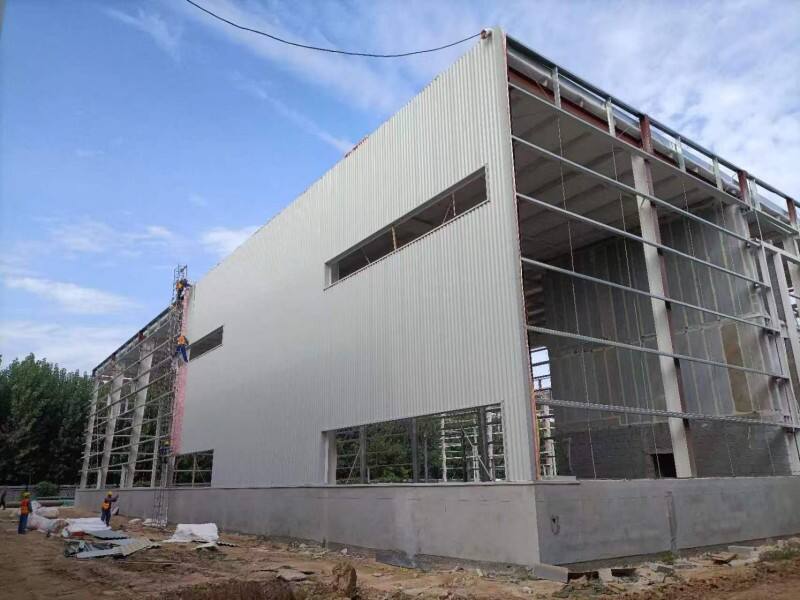
Why Choose Steel Structure Building for Commercial Construction?
Steel structures offer tremendous benefits for commercial construction projects because they combine great strength relative to their weight, allow for flexible designs, and provide lasting value over time. The prefabrication aspect means components arrive ready to assemble on site, which cuts down on labor needs significantly without sacrificing engineering quality. Steel is also naturally fire resistant, making it easier to meet those important safety codes required for commercial spaces. Buildings made from steel can last well over fifty years with hardly any maintenance needed. They stand up better against rust, insects, earthquakes, and harsh weather conditions when compared to traditional materials like wood or standard concrete mixes.
When it comes to going green, steel really stands out. Most steel products actually contain between 25% to almost 90% recycled material, and what's left can be fully recycled when they reach their final days. That means no more trash ending up in landfills, plus a big drop in carbon emissions throughout the whole life of a building. Steel buildings also go up fast compared to other materials, save money over time, and make expansion projects much easier down the road. For places like distribution centers, shopping malls, or corporate offices where day-to-day operations matter and property values need to hold up year after year, steel just makes more sense than most alternatives on the market today.
Key Design Considerations in Steel Structure Building
Load-Bearing Capacity and Structural Integrity
When designing buildings, structural engineers focus heavily on how much weight their steel frames can actually hold. Steel structures need to handle all sorts of weights: the permanent stuff like walls and floors (dead loads), plus whatever people, machines, or goods might be moving around inside (live loads). They also have to stand up against nature's challenges - think strong winds blowing across rooftops, heavy snow accumulating on surfaces, or even earthquakes shaking things loose. The math gets pretty detailed when figuring out how much a beam can bend before it becomes problematic. Most professionals stick to guidelines like keeping deflection below L/360 for beams so spaces don't sag too much or vibrate annoyingly. Modern high strength steels are engineered with extra room for error, often rated at least 1.5 times what they'll actually face in real conditions. This approach lets manufacturers create huge open areas between columns sometimes stretching past 30 meters across factory floors, giving businesses far more freedom in arranging their operations without worrying about structural limitations getting in the way.
Fire Resistance and Code Compliance
Steel holds up better against heat than most building materials when exposed to fire conditions, but starts losing its strength around the 550 degree Celsius mark (which is roughly 1022 Fahrenheit). Engineers need to comply with strict international codes like ASTM E119 and IBC regulations, so they often apply passive fire protection methods. Common approaches include spraying on cement based coatings or using special intumescent paints that expand when heated. These protective measures can keep structures standing for over two hours, giving people plenty of time to evacuate safely while still satisfying those tricky occupancy code requirements. The whole system works best when fire rated compartments and smoke management strategies are properly aligned with what different materials can handle thermally before failing completely.
Cost Efficiency and Timeline Advantages of Steel Structure Building
Prefabrication and Faster On-Site Assembly
Steel gets its time edge mainly from factory controlled prefabrication work. When components are pre engineered and cut with precision, they show up at job sites all set for quick bolt together assembly. Construction timelines typically shrink around 30 to maybe even 50 percent compared to old school methods. Weather related holdups become less of a problem, crews don't have to spend as much time on site, and projects get handed over quicker than usual. Commercial property folks love this because tenants can move in sooner which brings in cash faster. The money saved on temporary loans during construction adds up too. Best part? None of this comes at the expense of build quality or exact measurements either.
Long-Term Lifecycle Cost Savings
Steel buildings tend to pay off financially in the long run. They just don't rust away or get eaten by bugs like other materials do, so there's way less money spent on fixing things up regularly. Pair these structures with smart insulation choices and those cool roof systems that reflect heat, and businesses often see their utility bills shrink around 30%. Most steel buildings rarely need repairs throughout their lifespan, plus all that metal gets recycled completely when it's time to replace them. Overall, owners typically find they spend about 15 to 20 percent less on everything combined compared to similar concrete buildings. That makes steel construction pretty appealing for companies watching their bottom line while still wanting to be environmentally responsible.
Sustainability and Adaptability in Steel Structure Building
Recycled Content and End-of-Life Reusability
Steel stands out as the king of recyclables on our planet, with most commercial buildings containing well over 90 percent recycled steel in their construction. Concrete tells a different story altogether since it frequently winds up sitting in landfills after use. Steel keeps all its original qualities no matter how many times we recycle it again and again. The fact that steel can be reused endlessly makes a big difference. When we look at the whole picture from start to finish for a building, this recycling approach cuts down on extracting new materials and slashes carbon emissions by around 58%. That kind of impact matters a lot for architects trying to hit those net zero targets and helps move us closer toward creating a truly circular economy worldwide.
Modular Expansion and Future-Proofing
Steel framing has a modular quality that makes it easy to adapt to changing business requirements without breaking the bank. Businesses can install mezzanine floors, create new openings in floors, boost crane capacity, or even expand upwards while keeping the existing structure intact. There's no need for tearing things down or doing heavy reinforcement work. These kinds of changes typically save around 40 percent compared to working with more rigid building systems, plus they cut down on carbon emissions from construction waste. Commercial steel buildings therefore aren't just things that lose value over time. Instead, they become valuable long term investments that actually appreciate in worth as companies grow and develop their operations.
FAQ
Why is steel a preferred material for commercial construction?
Steel is preferred for its strength, flexibility, fire resistance, and sustainability. It allows for versatile designs, meets safety standards easily, and requires minimal maintenance.
How does steel structure building impact construction timelines?
Steel's prefabrication aspect allows for quicker assembly on-site, reducing construction timelines by 30% to 50% compared to traditional methods.
What are the environmental benefits of using steel in building construction?
Steel products can contain up to 90% recycled material, significantly reducing landfill waste and carbon emissions. Steel can be recycled endlessly without losing quality, promoting a circular economy.
What is the lifespan of a steel structure building?
Buildings made from steel can last well over fifty years with minimal maintenance, standing up to rust, weather, and other natural challenges effectively.