 EN
EN

Design Freedom and Architectural Expression in Steel Structure Buildings
Sculptural Forms and Dynamic Façades Enabled by Steel’s Strength and Precision
The amazing strength to weight ratio of steel lets architects create those crazy shapes that would be impossible with regular materials. Think about cantilevers that stick out over 30 meters or buildings with sweeping curves nobody thought possible before. Steel stays stable even when things get complicated, so fabricators can work within tight tolerances around 5mm or better. This matters a lot for big projects where everything has to fit together just right. With computer controlled machines doing the cutting and bending, designers can turn their digital models straight into custom parts like twisted columns, diagrid shells, and fancy latticed facades. What this means in practice is we're seeing buildings with skins that actually react to their environment. Some have moving shade systems that adjust throughout the day, others feature perforated panels that change how much light comes through based on weather conditions, while still others boast sculptural cladding that looks amazing but serves real functional purposes too.
Parametric Design and Modular Integration: Uniting Aesthetics with Buildability
Parametric modeling connects artistic ideas with how buildings actually work by running simulations of weight distribution, heat flow, and whether things can be built as designed all at once. What this means is architects can create those wavy roof shapes that also collect rainwater or design open spaces where columns would normally go but still make sure everything lines up with the heating and cooling systems behind the walls. The steel parts used are made in factories far away from the construction site, cut and shaped so precisely they fit together almost like puzzle pieces when delivered. When builders use these pre-made components, they end up making fewer changes on site probably around three quarters less than traditional methods. This not only keeps the original design looking good but gets projects finished much quicker too.
Structural Performance and Functional Advantages of Steel Structure Buildings
Column-Free Interiors and Long-Span Solutions for Commercial and Industrial Spaces
The tensile strength of steel really opens up possibilities for column free spans over 100 feet long, which is changing the game for commercial and industrial buildings everywhere. Take warehouses for instance they can now have these huge open floor areas that make it much easier to set up flexible storage solutions and run automated systems. Manufacturing facilities also benefit because they aren't stuck with fixed layouts anymore their machines can be moved around as needed. Retail stores are seeing benefits too, with more freedom to arrange products and create better customer flow throughout the space. When it comes to installation time, pre engineered steel structures go up about 30 percent quicker compared to traditional concrete methods. This speed boost means projects get completed faster while still maintaining solid structural integrity throughout.
Load Adaptability and Seismic Resilience Through High Strength-to-Weight Ratio
Steel has about 50% better strength compared to weight than concrete does, which makes it really stand out when dealing with moving forces on structures. During earthquakes, steel can bend without breaking apart suddenly, unlike concrete that tends to crack and fail all at once. According to FEMA guidelines (P-1025), buildings made with steel frames actually suffer around 40% less damage during these events compared to those built with rigid frames. The way steel behaves so consistently lets engineers design special joints and install braces that absorb shock waves. Plus, since steel isn't as heavy as other materials, foundations don't need to be as robust either. This cuts down on construction costs by roughly 25% and also means fewer resources are needed throughout the entire lifespan of a building, making it better for the environment too.
Core Structural Systems Defining Modern Steel Structure Buildings
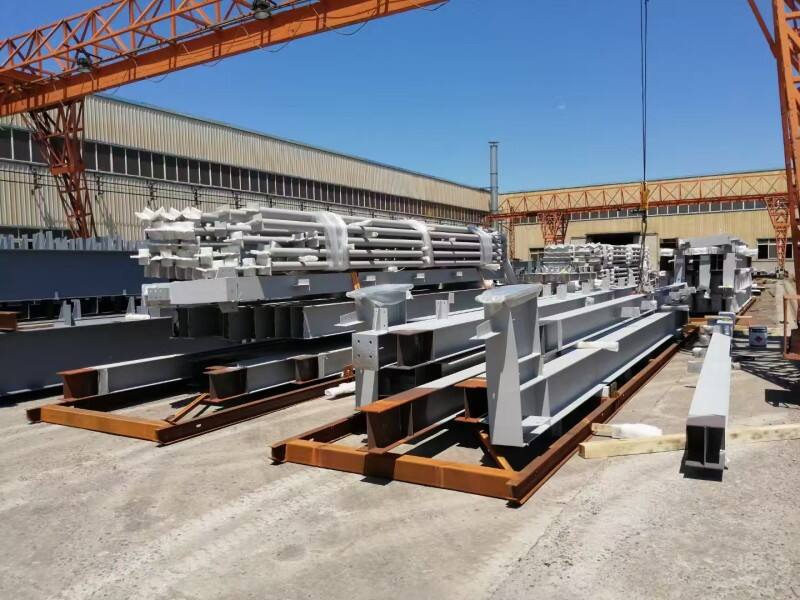
Steel structures today aren't just collections of separate parts but work together as one big system. The foundation does something pretty important it carries all those weights down through steel piles or grade beams into solid ground below. Columns and beams form what we call the main frame, holding up everything from the roof down while keeping other parts attached properly. Floors often combine steel decks with supporting beams so architects can create large open spaces without columns getting in the way. Roofs typically use trusses, arch shapes, or even space frames to cover big areas efficiently. When it comes to dealing with sideways forces from wind or earthquakes, buildings incorporate diagonal supports, special moment frames, or central wall cores for stability. All these pieces fit together through carefully designed connections whether they're welded, bolted, or a mix of both these joints need to be strong enough yet still practical to build. What makes modern steel structures stand out is how all these elements work together to give buildings incredible strength relative to their weight, allowing engineers to design resilient structures that also meet ambitious architectural visions.
Sustainability, Adaptability, and Lifecycle Efficiency of Steel Structure Buildings
Recyclability, Prefabrication, and Future-Proof Deconstruction Strategies
Steel structures are becoming increasingly popular for sustainable building because they offer several key advantages when it comes to environmental responsibility. First off, steel can be recycled over and over again with almost no loss of quality. Around 90% of all steel gets recycled globally, which means instead of ending up in landfills, old steel just keeps getting reused. That's a huge plus compared to other materials that require constant mining of new raw materials. When steel components are made in factories before being assembled on site, there's way less waste generated during construction. Some studies show this approach can cut down on-site waste by as much as 70%. Plus, everything fits together so precisely that buildings can actually be taken apart later if needed. The bolts used to connect different parts make it possible to take them down, fix them up, and either reuse them somewhere else or recycle them completely. This flexibility really matters because steel frames can easily handle changes like rearranging office spaces, adding extra floors, or expanding upwards without needing expensive renovations. Looking at the big picture, these sustainable practices help reduce carbon emissions throughout a building's entire lifespan by anywhere from 30% to 50%. No wonder more architects and builders are turning to steel as a smart choice for environmentally friendly construction projects these days.
FAQs
- What advantages do steel structure buildings offer for architectural design? Steel's strength-to-weight ratio and precision enable architects to create complex shapes, like extended cantilevers and curved facades, while maintaining stability.
- How do steel structures enhance sustainability in construction? Steel is highly recyclable, can be prefabricated to minimize waste, and allows for future deconstruction and adaptability, which reduce environmental impact.
- What are the benefits of column-free interiors in steel buildings? Column-free spaces over long spans enhance flexibility for commercial and industrial uses, facilitate efficient layouts, and improve customer flow in retail spaces.
- How does steel improve seismic resilience in buildings? Steel's high strength-to-weight ratio enables it to bend without breaking, reducing damage in seismic events compared to concrete structures.
Table of Contents
- Design Freedom and Architectural Expression in Steel Structure Buildings
- Structural Performance and Functional Advantages of Steel Structure Buildings
- Core Structural Systems Defining Modern Steel Structure Buildings
- Sustainability, Adaptability, and Lifecycle Efficiency of Steel Structure Buildings
- FAQs