 EN
EN

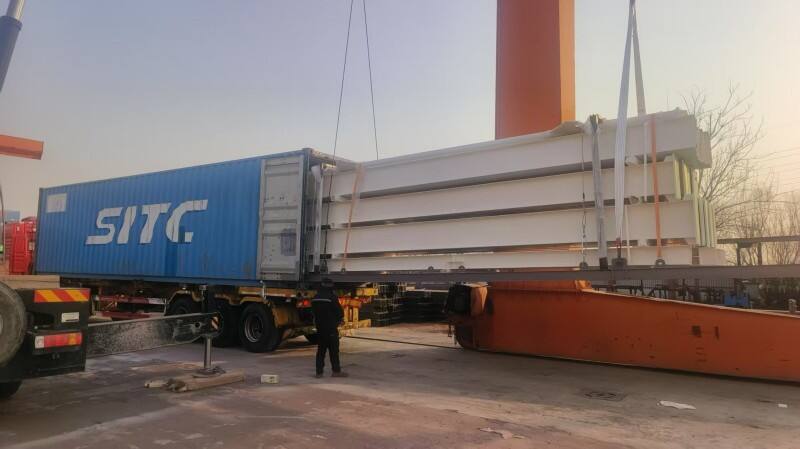
Why Steel Structure Buildings Amplify Noise: Core Acoustic Challenges
Resonance and Vibration Transmission in Cold-Formed Steel Framing
The stiffness of cold formed steel framing gives great structural benefits but comes with a downside when it comes to vibrations. Steel just doesn't absorb shocks like wood or concrete does, so things like footsteps or machinery running send vibrations traveling throughout connected parts of the structure. We see this most clearly at lower frequencies below 500 Hz, where steel actually carries these vibrations about 15 to 20 decibels better than heavier building materials according to acoustic research published by ASTM E90-23. When we're talking about thin gauge cold formed steel sections, they become kind of like musical instruments that pick up and boost certain frequencies. This becomes a real problem in buildings with multiple stories made from steel, creating unwanted background noises that spread everywhere until we put in special barriers to block those vibration paths.
Airborne vs. Impact Noise Pathways Through Steel Structure Building Envelopes
Steel buildings face two main ways noise gets inside: sounds from outside sneak in through tiny cracks and holes that aren't properly sealed, while vibrations travel right through the metal framework itself. The problem with airborne noise is especially tricky because it finds its way through spaces smaller than a millimeter. This becomes a real headache when considering how steel expands and contracts with temperature changes over time, gradually wearing down or shifting those seals that should keep things quiet. When it comes to impact noise, steel conducts these vibrations about 70 percent quicker than concrete does. This causes nearby surfaces to vibrate too, creating additional noise that spreads through the air again. To tackle all this effectively, different approaches need to be used for each type of noise problem.
| Noise Type | Transmission Path | Critical Control Point |
|---|---|---|
| Airborne | Gaps, porous materials | Airtight seals at joints & penetrations |
| Impact | Direct structural connections | Isolation mounts at load-bearing interfaces |
Distinguishing between these pathways is essential for targeted, code-compliant acoustic design in steel construction.
Decoupling and Isolation: Critical First-Line Defenses for Steel Structure Buildings
Decoupling systems physically separate finishes from the steel frame—disrupting both airborne and impact noise pathways without compromising structural performance. When applied early in design, they form the most cost-effective foundation for high-performance acoustics.
Resilient Channel Systems and Acoustic Clips for Walls and Ceilings
Resilient channels (RC-1 certified) suspend drywall independently from steel studs, reducing vibration transfer by 15–20 dB. For ceilings, spring-loaded acoustic clips provide superior decoupling versus traditional hat channels—maintaining fire-resistance ratings while minimizing flanking transmission. Paired with dense mineral wool insulation (≈3.0 pcf), these assemblies consistently achieve STC-55+ in interior partitions.
Floating Floors and Acoustic Ceiling Isolation in Metal-Framed Assemblies
Dealing with impact noise really requires attention at the floor level. Materials like cork rubber blends or thick closed cell foam underlays (at least 6mm thick) work pretty well to separate the finished flooring from the actual building slab below. These can cut down on impact sounds by as much as 72% according to tests done under ASTM E2179 standards. For ceilings, suspended acoustic systems with those special perimeter gaskets help stop noise from sneaking around the edges where walls meet ceilings. This is especially important in steel framed buildings across multiple stories since these gaps are a major source of unwanted noise traveling between levels.
| Decoupling Method | STC/IIC Improvement | Cost Factor | Best Use Case |
|---|---|---|---|
| Resilient Channels | +12–18 | $$ | Interior walls/ceilings |
| Acoustic Clips | +18–25 | $$$ | Critical listening spaces |
| Floating Floor Systems | +10–15 (IIC) | $$$$ | Multi-occupancy floors |
When correctly installed, these methods block noise at its origin—making them indispensable for meeting modern acoustic benchmarks in steel-framed projects.
High-Performance Soundproofing Materials and Hybrid Solutions for Steel Structure Buildings
Insulation Comparison: Mineral Wool, Fiberglass, MLV, and Spray Foam in Steel Framing
Material selection must align with both cavity geometry and noise frequency profile. Density and limp-mass behavior significantly influence STC and IIC performance in steel framing:
| Material | Density (kg/m³) | Avg. STC Improvement | Best Use Case |
|---|---|---|---|
| Mineral Wool | 50–200 | +15–20 | Wall cavities & flanking paths |
| Fiberglass | 10–100 | +10–15 | Cost-sensitive ceiling applications |
| Mass-Loaded Vinyl | 500–1500 | +20–25 | Impact noise isolation |
| Spray Foam | 8–40 | +5–10 | Air gap sealing only |
Mineral wool delivers 25% better low-frequency attenuation than fiberglass (ASTM E90-23), while MLV’s limp-mass properties block over 98% of impact-induced vibrations in steel assemblies—particularly effective when layered beneath flooring or behind resiliently mounted walls.
Room-within-a-Room and Sealed Airspace Designs for STC-60+ in Steel Structure Buildings
For mission-critical environments—including recording studios, healthcare simulation labs, or high-security offices—a room-within-a-room configuration offers the highest acoustic separation. This approach uses staggered steel stud walls, isolated ceilings, and a continuous 12-inch sealed airspace to eliminate direct structural coupling. Leading implementations integrate:
- Dual-layer ” drywall with viscoelastic Green Glue compound
- Perimeter neoprene isolation channels (ASTM E497 compliant)
- Triple-sealed door and window assemblies
This multi-barrier strategy achieves STC-68—three times the attenuation of standard single-wall steel assemblies, according to 2024 Acoustical Society of America benchmarks. Resilient channel spacing ø24" on-center prevents “short-circuiting,” while floating floors with rubber underlayments suppress over 90% of ground-borne vibration.
Retrofitting Existing Steel Structure Buildings: Targeted, Cost-Efficient Upgrades
Upgrading old steel buildings brings real benefits for acoustics and energy efficiency without tearing everything down, which matters a lot when materials and labor keep getting pricier. Focus on the big wins first for quick returns on investment. Stuff like packing mineral wool into walls and sealing those pesky air leaks around windows and doors cuts HVAC usage anywhere from 20% to 40%. For noise issues, office spaces often install resilient channels between drywall and studs, while apartment conversions typically go with clip mounted ceilings. Steel frames are great because they let building owners do all sorts of cosmetic changes too. Many are wrapping exteriors with sleek metal panels these days and installing roofs ready for solar panels later on. Most facilities teams start with sealing all the drafts first, then move onto insulation work, and finally tackle specific noise problems where needed. This approach keeps buildings running longer, makes people inside happier, and prepares them for whatever comes next without shutting operations down for weeks at a time.
FAQs
Why do steel structure buildings amplify noise?
Steel structure buildings amplify noise due to their lack of ability to absorb shocks and vibrations, which are often transmitted throughout the structure. This is particularly evident at lower frequencies below 500 Hz, where steel transfers vibrations 15 to 20 decibels more efficiently than heavier building materials.
What are the main pathways for noise in steel buildings?
There are two main pathways: airborne noise that sneaks through tiny imperfections in seals, and impact noise that travels through the metal frameworks. Airborne noise is particularly tricky as it exploits micro-scale gaps, while impact noise is transmitted much faster through steel compared to concrete.
How can decoupling systems help reduce noise in steel buildings?
Decoupling systems separate the finishes from the steel frames, which disrupts both airborne and impact noise pathways without compromising structural soundness. These systems are most effective when integrated early in the construction design process.
What are some effective soundproofing materials for steel structures?
Effective soundproofing materials include mineral wool, fiberglass, mass-loaded vinyl (MLV), and spray foam. Each of these materials has different properties that make them suitable for blocking various types of noise in steel frameworks.
Can existing steel buildings be retrofitted for better soundproofing?
Yes, existing steel buildings can be retrofitted to improve acoustics and energy efficiency. Effective strategies include filling walls with mineral wool, sealing air leaks around windows and doors, and installing resilient channels or acoustic clips where needed.
Table of Contents
- Why Steel Structure Buildings Amplify Noise: Core Acoustic Challenges
- Decoupling and Isolation: Critical First-Line Defenses for Steel Structure Buildings
- High-Performance Soundproofing Materials and Hybrid Solutions for Steel Structure Buildings
- Retrofitting Existing Steel Structure Buildings: Targeted, Cost-Efficient Upgrades
-
FAQs
- Why do steel structure buildings amplify noise?
- What are the main pathways for noise in steel buildings?
- How can decoupling systems help reduce noise in steel buildings?
- What are some effective soundproofing materials for steel structures?
- Can existing steel buildings be retrofitted for better soundproofing?