 EN
EN

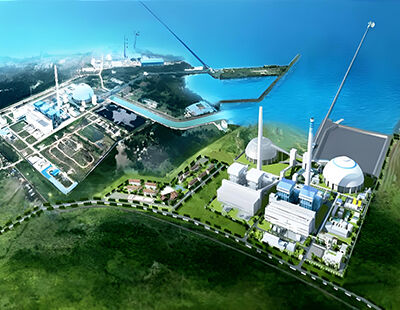
Steel Structure as the Foundational Enabler of Smart Grid Physical Infrastructure
Modular, load-bearing steel frameworks for scalable substations, control centers, and microgrid hubs
Steel framework systems offer strong support for weight while making it possible to expand smart grid setups quickly and adapt to what comes next. The modular nature means power companies can build out substations or microgrid centers about half as fast compared to traditional methods, which matters a lot as more distributed energy resources keep coming online along with solar and wind power installations. With prefabricated parts already made off site, crews spend roughly 60 percent less time putting things together at the location itself, all while maintaining solid strength against harsh weather conditions like high winds, heavy ice accumulation, or even earthquakes. This kind of flexibility lets operators roll out upgrades in stages, matching actual infrastructure needs with how smart grids themselves are developing over time.
Corrosion-resistant and sensor-ready steel alloys for durable IoT device mounting and long-term structural health monitoring
Steel alloys with chromium and nickel additions have shown remarkable corrosion resistance lasting around 40 years even when exposed to tough coastal conditions and industrial settings. This makes them ideal for creating durable mounting platforms that can hold grid monitoring IoT devices for extended periods. The surfaces are ready for sensors, allowing technicians to attach vibration detectors, strain measurement tools, and environmental monitoring equipment without damaging the structure itself. All this while keeping the data flowing continuously. When these sensors are integrated into maintenance systems, companies report about a third fewer unexpected shutdowns according to research from Ponemon Institute back in 2023. Another big plus is that steel doesn't interfere with signals thanks to its stable electromagnetic properties, which means data stays clear and reliable as it travels between remote monitoring spots throughout large grid networks.
Enhancing Smart Grid Reliability Through Steel's Electromagnetic and Thermal Stability
Shielding performance of steel enclosures for edge computing nodes and distributed energy resource controllers
Steel enclosures offer natural protection against electromagnetic interference (EMI) which is really important for keeping sensitive smart grid components safe. When it comes to signal blocking, steel can achieve over 90 dB attenuation at frequencies below 1 GHz, making it work well as a Faraday cage. This shields edge computing devices and distributed energy resource (DER) controllers from all sorts of disruptions like voltage drops, sudden power changes, or unwanted radio signals. From a thermal standpoint, steel conducts heat pretty efficiently around 45 W/m∙K, so it helps dissipate heat from power electronics without letting temperatures drift too far from their ideal range even when systems run at maximum capacity for long periods. Compared to plastic options, steel doesn't shrink or expand much when temperatures swing between -40°C and 85°C, which means seals stay intact and moisture stays out. Plus, because steel has those magnetic properties, it actually helps reduce damage from electromagnetic pulses (EMPs) by steering surge energy away from important circuits. This keeps IoT sensors working properly as they monitor things like voltage spikes, waveform distortions, and other indicators of grid health in real time.
Digital-Twin-Ready Steel: BIM Integration and Embedded Sensing for Lifecycle Intelligence
From fabrication to operation: How BIM-synchronized steel structures feed real-time data into grid digital twins
Building Information Modeling, or BIM for short, creates detailed digital blueprints of steel structures long before actual fabrication starts. This helps catch potential problems early on, saves materials, and ensures everything will actually work when built. When it comes time to manufacture, tiny sensors get installed right into the steel parts themselves. These little devices start gathering all sorts of important information about how much stress the metal experiences, what temperatures it handles, and even signs of corrosion over time. As workers build the structure piece by piece, updates from the site keep the BIM model current with what's really happening on the ground almost instantly. After installation, these smart steel frameworks send continuous performance data straight into digital replicas of entire power grids. Think things like how transmission towers expand and contract with heat changes, or how different loads affect the steel's strength. Grid operators then leverage this constant stream of information to run what if scenarios, fine tune their control systems, and kick off automatic fixes when needed such as adjusting cooling systems or redirecting power flows. What we end up with is a system that anticipates issues rather than reacting after they happen. Failures become less common, maintenance gets scheduled better, and companies can actually prove their environmental claims through solid data tracking. And here's something interesting about steel itself it just works really well with all these sensors and models, making it stand out as the only material that can handle this kind of intelligent monitoring across an entire power grid network.
Standardizing Steel Structure—Smart Grid Interoperability: Pathways and Industry Alignment
Achieving seamless integration between physical steel infrastructure and digital grid systems demands coordinated standardization. Fragmented specifications remain a key bottleneck—projects with misaligned material and communication requirements average 35% longer commissioning cycles (2023 Energy Infrastructure Benchmarking Report). Harmonizing standards ensures structural and operational layers interoperate consistently across decades of service.
Bridging material specifications and communication protocols: Aligning ASTM A656, IEEE 2030.5, and ISO 16732-2
Interoperability really takes shape when the strength requirements of steel meet up with how smart grids communicate and handle safety issues. Take ASTM A656 first - this standard lays out what kind of mechanical strength we need from high-strength steel in things like transmission towers and those supports at substations. Then there's IEEE 2030.5 which handles all the secure data sharing between distributed energy resources and control systems across the grid. And let's not forget ISO 16732-2 either, since it tells us exactly what level of fire resistance our structural parts must have. When engineers look at these different standards side by side, they can establish common ground for performance expectations throughout the entire system.
| Standardization Layer | Core Function | Interoperability Impact |
|---|---|---|
| Material (ASTM A656) | Specifies yield strength, ductility, and corrosion resistance | Ensures sensor mounting integrity and long-term reliability across climate zones |
| Communication (IEEE 2030.5) | Enables authenticated, time-synchronized DER control messaging | Allows structural strain and thermal data to inform real-time load-balancing decisions |
| Safety (ISO 16732-2) | Defines thermal failure limits under fire exposure | Synchronizes emergency shutdown logic with material behavior—e.g., triggering isolation before steel reaches critical softening temperatures |
Right now, industry groups are working on matching ASTM testing standards like how fast tensile strength drops during accelerated corrosion tests with the IEEE 2030.5 data framework. When this connection works, those corrosion sensors stuck inside steel pylons can actually tweak power distribution automatically via controllers that follow the standards. No need for those expensive proprietary adapters anymore, which cuts down what companies have to spend when setting things up. What really matters though is that this system allows for predicting when materials will start failing based on their wear patterns compared against what's happening with electricity demand across the grid. Early tests show this approach reduces needed maintenance work by around 40%, according to field reports from several pilot projects last year.
FAQ
What is the benefit of using steel structures in smart grids?
Steel structures offer strong support, quick modular adaptability for expansion, superior corrosion resistance, and optimal sensor integration for monitoring, making them ideal for smart grid infrastructures.
How does steel improve the reliability of smart grids?
Steel enhances reliability by providing electromagnetic interference shielding, efficient heat dissipation, and resilience against temperature fluctuations, ensuring stable operations.
What is Digital-Twin-Ready Steel?
Digital-Twin-Ready Steel refers to steel structures integrated with BIM and embedded sensors, allowing real-time data coordination and predictive maintenance within smart grids.
Why is standardization important in smart grids using steel structures?
Standardization facilitates seamless integration and ensures consistent interoperability between physical structures and digital systems, reducing commissioning cycles and enhancing efficiency.
Table of Contents
- Steel Structure as the Foundational Enabler of Smart Grid Physical Infrastructure
- Enhancing Smart Grid Reliability Through Steel's Electromagnetic and Thermal Stability
- Digital-Twin-Ready Steel: BIM Integration and Embedded Sensing for Lifecycle Intelligence
-
Standardizing Steel Structure—Smart Grid Interoperability: Pathways and Industry Alignment
- Bridging material specifications and communication protocols: Aligning ASTM A656, IEEE 2030.5, and ISO 16732-2
- FAQ
- What is the benefit of using steel structures in smart grids?
- How does steel improve the reliability of smart grids?
- What is Digital-Twin-Ready Steel?
- Why is standardization important in smart grids using steel structures?