 EN
EN

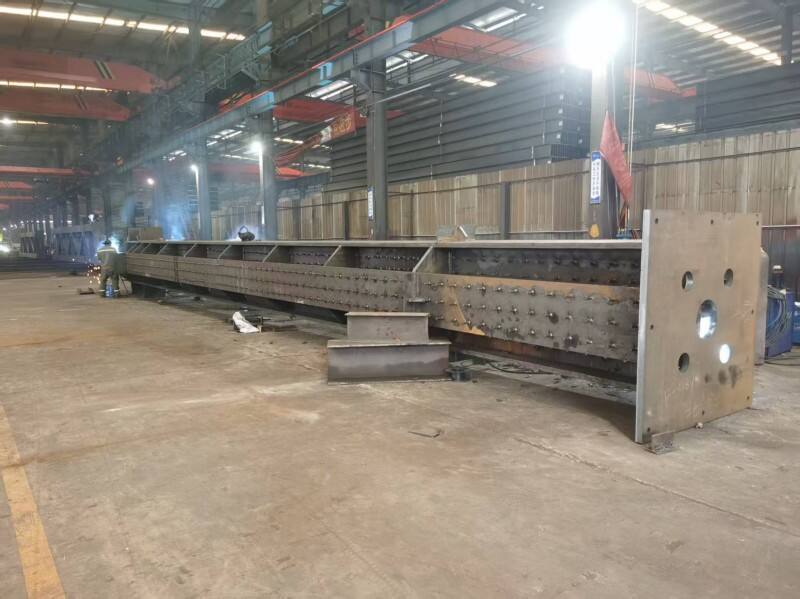
ইস্পাত কাঠামোর তাপীয় কার্যকারিতা: তাপীয় ব্রিজিং হ্রাস করা
কীভাবে ইস্পাত ফ্রেমিং শূন্যের নিচের পরিবেশে তাপ হারানোকে ত্বরান্বিত করে
ইস্পাত আসলে বেশ ভালোভাবেই তাপ পরিবহন করে, এর তাপ পরিবাহিতা প্রতি মিটার কেলভিনে ৪৫ ওয়াটেরও বেশি, যার মানে হলো ঠান্ডা আবহাওয়ায় এটি দ্রুত তাপ বের করে দেয়। যখন বাইরের তাপমাত্রা হিমাঙ্কের নিচে নেমে যায়, তখন ভবনগুলোতে থাকা ইস্পাতের বিম ও স্তম্ভগুলো বিশাল তাপ মহাসড়কের মতো কাজ করে, যা ভবন থেকে সরাসরি উষ্ণতা টেনে বের করে আনে। সঠিক ইনসুলেশন ছাড়া, কাঠামোগুলো থেকে মোট তাপ ক্ষতির প্রায় ৩০% এর জন্য এটি দায়ী। তখন এই ঘাটতি পূরণের জন্য হিটিং সিস্টেমকে অতিরিক্ত কাজ করতে হয়, যা বিদ্যুৎ বিল উল্লেখযোগ্যভাবে বাড়িয়ে দেয়। এরপর যা ঘটে তা ভবন মালিকদের জন্য আরও খারাপ। ইস্পাতের জোড়গুলোর চারপাশের ঠান্ডা জায়গাগুলো প্রায়শই এতটাই ঠান্ডা হয়ে যায় যে তা শিশিরাঙ্ক তাপমাত্রার নিচে নেমে যায়, যার ফলে পৃষ্ঠতলে ঘনীভবন তৈরি হয়। সময়ের সাথে সাথে পানি জমতে থাকে, যা ছত্রাক জন্মানোর জন্য উপযুক্ত পরিবেশ তৈরি করে। এটি কেবল ভেতরের বাতাসের মানই খারাপ করে না, বরং ক্রমাগত ভেজা ও শুকানোর ফলে জমাট বাঁধা ও গলে যাওয়ার চক্রের মাধ্যমে কাঠামোটিও দুর্বল হয়ে পড়ে। রক্ষণাবেক্ষণ কর্মীদের এই সমস্যাগুলো ঠিক করতে আরও বেশি অর্থ ব্যয় করতে হয়, আর এদিকে বাসিন্দারা অস্বস্তিকর তাপমাত্রা এবং নিম্নমানের অভ্যন্তরীণ পরিবেশ নিয়ে অভিযোগ করতে থাকেন।
তাপীয় ব্রেক সমাধান এবং শীতল-জলবায়ুর ইস্পাত কাঠামোর জন্য ASHRAE 90.1 মানের সাথে অনুপালন
ইস্পাতের অংশগুলির মধ্যে তাপ নিরোধক স্তর (থার্মাল ব্রেক) স্থাপন করলে, তাপ অপরিবাহী উপাদান যোগ করার মাধ্যমে সেগুলির মধ্যে দিয়ে তাপের চলাচল বন্ধ হয়ে যায়। এর ফলে তাপীয় সেতু (থার্মাল ব্রিজিং) জনিত সমস্যা অর্ধেকেরও বেশি কমে যায়। সারা দেশের নির্মাণ বিধিমালায় এখন এই ধরনের সমাধান বাধ্যতামূলক করা হয়েছে, বিশেষ করে শীতল অঞ্চলগুলিতে যেখানে নির্দিষ্ট ইউ-ফ্যাক্টর (U-factor) শর্ত পূরণ করা আবশ্যক। ভালো পদ্ধতিগুলির মধ্যে রয়েছে ইস্পাতের কাঠামোকে বাইরের ইনসুলেশন দিয়ে সম্পূর্ণভাবে মুড়ে দেওয়া, তাপ স্থানান্তর বিন্দুগুলিকে বিশেষভাবে রোধ করার জন্য ডিজাইন করা কাঠামোগত প্রোফাইল ব্যবহার করা এবং যেখানে আর্দ্রতা জমার প্রবণতা থাকে সেখানে শ্বাসপ্রশ্বাসযোগ্য মেমব্রেন স্থাপন করা। শুধু ঘনীভবনের সমস্যা প্রতিরোধ করাই নয়, এই পদ্ধতিগুলি ভবনগুলিকে LEED বা প্যাসিভ হাউস স্ট্যান্ডার্ডের মতো পরিবেশ-বান্ধব শংসাপত্রের জন্য যোগ্য হতে সাহায্য করে। সবচেয়ে ভালো ফলাফল তখনই পাওয়া যায় যখন স্থপতিরা নির্মাণ পরিকল্পনার একেবারে শুরু থেকেই এই বৈশিষ্ট্যগুলি অন্তর্ভুক্ত করেন। এর ফলে ইস্পাতের ভবনগুলি তাদের শক্তি বজায় রাখে এবং এমনকি কঠোর শীতের পরিস্থিতিতেও শক্তি সংরক্ষণে অনেক বেশি কার্যকর হয়ে ওঠে।
ভারবহনক্ষমতা ও স্থিতিস্থাপকতা: ভারী তুষার ও বাতাসের চাপ সহ্য করার জন্য ইস্পাত কাঠামোর ডিজাইন
উত্তরাঞ্চলীয় জলবায়ুতে তুষার চাপ অ্যাডাপ্টেশন (ASCE 7-16 জোন ৪০–৯০ psf)
উত্তরাঞ্চলের জলবায়ুর জন্য ইস্পাত কাঠামো নকশা করার সময় ASCE 7-16 মান অনুযায়ী তুষার ভার গণনা সঠিকভাবে করা একেবারেই অপরিহার্য। এই প্রয়োজনীয়তাগুলি সাধারণত অবস্থানভেদে ৪০ থেকে ৯০ পাউন্ড প্রতি বর্গফুট (psf) এর মধ্যে পরিবর্তিত হয়। এই চ্যালেঞ্জের সমাধানে ইঞ্জিনিয়ারগণ ফ্রেমগুলির মধ্যে দূরত্ব এবং কলামের আকার পরিবর্তন করেন, যাতে ওজনটি ছাদের উপর সঠিকভাবে বণ্টিত হয়। যেসব অঞ্চলে তুষার ঘনীভূত হয়—যেমন পাহাড়ের ঢাল বা হ্রদ-প্রভাবিত তুষার দ্বারা প্রভাবিত স্থানগুলিতে—অধিক শক্তিশালী ইস্পাত মিশ্রণ প্রয়োজন হয়। এই নির্দেশিকা উপেক্ষা করার পরিণতি খুবই গুরুতর হতে পারে। এই ভারগুলির প্রতি যথাযথ মনোযোগ না দিয়ে নির্মিত কাঠামোগুলির তুষার ভার ৭০ psf-এর ঊর্ধ্বে গেলে সমস্যা দেখা দেওয়ার সম্ভাবনা প্রায় ২৭ শতাংশ বেশি হয়, যা উত্তরাঞ্চলের অনেক স্থানে শীতকালে বহুবার ঘটে।
বরফের বাঁধ এবং তুষার সঞ্চয় প্রতিরোধের জন্য ছাদের জ্যামিতি ও বিস্তারিত কৌশল
ছাদের আকৃতি কীভাবে গঠিত হয়, তা তুষার জমাটবদ্ধ হওয়ার সময় সম্পূর্ণ পার্থক্য তৈরি করে। প্রায় ৬:১২ ঢাল বা তার চেয়ে বেশি ঢালযুক্ত ছাদগুলি স্বাভাবিকভাবেই তুষার খসিয়ে দেয়, কারণ মহাকর্ষ বেশির ভাগ কাজ করে। কম উপত্যকা ও ডরমার সহ সরল ছাদ ডিজাইনগুলিও তুষার সমস্যাদায়ক অঞ্চলে জমাটবদ্ধ হওয়া রোধ করতে সাহায্য করে। ভালো নির্মাণ বিবরণও গুরুত্বপূর্ণ। তাপীয় সেতুবদ্ধতা যেখানে ঘটে (অর্থাৎ ছাদের প্রান্তে), সেখানে তাপ বের হয়ে যাওয়া রোধ করতে অ্যাঙ্গেল পর্যন্ত তাপ অবরোধক বিস্তৃত করা উচিত। বায়ুচলনযোগ্য অ্যান্ডারলেমেন্ট উপকরণের সাথে সীল করা সফিট যুগল তৈরি করে আর্দ্রতা ভিতরে প্রবেশ করা রোধ করার একটি বাধা, কিন্তু বাষ্প আটকে যাওয়ার ঝুঁকি তৈরি করে না। ওভারহ্যাং-এর সঠিক পরিমাণ নির্ধারণ করা ইসিকেল গঠনে বড় প্রভাব ফেলে, যা আসলে শীতকালে অবিরাম হিমায়ন ও গলন পর্বের সময় গাটার ব্যর্থতার প্রধান কারণ।
ইস্পাত কাঠামোর দীর্ঘমেয়াদী টেকসইতা: ক্ষয় নিয়ন্ত্রণ ও আর্দ্রতা ব্যবস্থাপনা
জমাট বাঁধা ও গলে যাওয়ার চক্রে ইস্পাতের সংযোগস্থলে ঘনীভবনের ঝুঁকি
যখন ইস্পাত সংযোগস্থলে তাপীয় ব্রিজিং ঘটে, তখন আমরা যেসব হিমায়ন-বিগলন চক্রের কথা জানি, সেসময় শিশির জমার সমস্যা ব্যাপকভাবে বৃদ্ধি পায়, যা কাঠামোর সুরক্ষামূলক কোটিংগুলিকে ক্ষতিগ্রস্ত করে। ওই অপরিবেশিত জয়েন্টগুলি মূলত শীতল স্থানে পরিণত হয়, যেখানে বায়ু থেকে আর্দ্রতা জমা হয়ে হিমায়িত হয়। জল বরফে পরিণত হওয়ার সময় এর প্রসারণ বেশ উল্লেখযোগ্য—আমি যা পড়েছি তার ভিত্তিতে, ASHRAE হ্যান্ডবুক, ২০২০ সংস্করণ অনুযায়ী, এটি প্রায় ৯%। এই পুনরাবৃত্ত হিমায়ন ও বিগলন সময়ের সাথে সাথে ক্ষয় প্রতিরোধী স্তরগুলিতে ক্ষুদ্র ফাটল সৃষ্টি করে। এই ছোট ফাটলগুলি পরে ফাস্টেনারগুলির ক্ষয়সাধনের সরাসরি কারণ হয়ে দাঁড়ায়। শীতল জলবায়ুতে ঘটা কাঠামোগত ব্যর্থতার প্রায় অর্ধেকই মূলত খারাপ পরিবেশন অনুশীলনের কারণে সৃষ্ট এই ধরনের স্থানীয় ক্ষয় সংক্রান্ত সমস্যার কারণে হয়।
বাষ্প-ভেদযোগ্য মেমব্রেন এবং কনডেনসেশন-প্রতিরোধী ইস্পাত কাঠামোর জন্য বুদ্ধিমান বাধা স্থাপন
উত্তাপ পরিবহনকারী ঝিল্লি ইনসুলেশনের বাইরে স্থাপন করলে স্তরগুলির মধ্যে আর্দ্রতা আটকে যাওয়া রোধ করা যায়, যদিও ভবনটি এখনও উষ্ণ থাকে। ASHRAE জার্নাল-এ প্রকাশিত গবেষণায় দেখা গেছে যে, যখন এই অবরোধগুলি সঠিকভাবে ছাদ ও দেয়ালের সংযোগস্থল, ফাউন্ডেশনের চারপাশ এবং অন্যান্য স্থানে—যেখানে তাপ প্রাকৃতিকভাবে ক্ষরিত হয়—স্থাপন করা হয়, তখন এগুলি অত্যন্ত শীতল জলবায়ুতে ঘনীভবন সমস্যাকে ৪০ থেকে ৭০ শতাংশ পর্যন্ত কমিয়ে দেয়। এর ব্যবহারিক অর্থ হলো যে, সেই গহ্বরগুলির অভ্যন্তরীণ বায়ু প্রায়শই যথেষ্ট শুষ্ক থাকে যাতে মরচের সমস্যা এড়ানো যায়, এবং বাইরের তাপমাত্রা হিমাঙ্কের অনেক নীচে নেমে গেলেও—কখনও কখনও মাইনাস ৪০ ডিগ্রি ফারেনহাইট বা তার চেয়েও কম—আপেক্ষিক আর্দ্রতা সেই সমালোচনামূলক ৩৫% চিহ্নের নীচেই থাকে।
ফাউন্ডেশন একীকরণ: স্টিল কাঠামোর জন্য ফ্রস্ট সুরক্ষা এবং কাঠামোগত অবিচ্ছিন্নতা
শীতপ্রধান অঞ্চলে নির্মিত ইস্পাত কাঠামোগুলির ভিত্তি সাধারণত ৩৬ থেকে ৬০ ইঞ্চির বেশি গভীরে, যা 'ফ্রস্ট লাইন' (হিম-রেখা) নামে পরিচিত, তার অনেক নীচে খনন করা হয়। এটি মাটির হিমায়নের ফলে প্রসারিত হওয়ার সময় কাঠামোর নীচে চাপ দেওয়া থেকে রোধ করে। এই কাজের জন্য টি-আকৃতির ভিত্তি অত্যন্ত কার্যকর। গভীর কংক্রিটের ভিত্তি হিমায়নের স্তরের অনেক নীচে পর্যন্ত বিস্তৃত হয়, আর উল্লম্ব দেয়ালগুলি চারদিকে সমর্থন প্রদান করে। স্থিতিশীলতা বজায় রাখতে, ভিত্তির প্রান্তগুলির চারপাশে প্রায় চার ফুট বা তার কিছুটা অনুভূমিকভাবে পর্যন্ত তাপ রোধক স্থাপন করা যুক্তিসঙ্গত। এটি সন্নিকটস্থ মাটির তাপমাত্রা আরও স্থিতিশীল রাখে, যার ফলে হিম কতটা গভীরে প্রবেশ করতে পারে তা কমে যায় এবং বিভিন্ন উপাদানের মধ্য দিয়ে তাপ স্থানান্তরের সমস্যাও হ্রাস পায়। ইস্পাত ও কংক্রিটের সংযোগস্থলে, বাষ্প-পারগ বিশেষ মেমব্রেন এবং ক্ষয়রোধী কোটিং ব্যবহার করা হয় যা জল প্রবেশ রোধ করে এবং পুনরাবৃত্ত হিমায়ন ও গলন চক্রের কারণে ক্ষয় ধীর করে। এই সমস্ত উপাদান একত্রে কাজ করে যাতে তাপমাত্রার তীব্র ওঠানামা এবং ভূমির অধোগত স্থানচ্যুতির মধ্যেও সমগ্র ভিত্তি শক্তিশালী থাকে।
FAQ বিভাগ
তাপীয় ব্রিজিং কী?
তাপীয় ব্রিজিং হল এমন একটি প্রক্রিয়া যেখানে ইস্পাতের মতো গাঠনিক উপাদানগুলির মধ্য দিয়ে তাপ স্থানান্তরিত হয়, ফলে ভবনে তাপ হ্রাস বৃদ্ধি পায় এবং সম্ভাব্য ঘনীভবনের সমস্যা দেখা দেয়।
শূন্য ডিগ্রির নিচের পরিবেশে ইস্পাত কেন সমস্যা সৃষ্টি করে?
ইস্পাত তাপ কার্যকরভাবে পরিবহন করে, ফলে শীতকালে ভবন থেকে তাপ দ্রুত বেরিয়ে যায়, যার ফলে তাপীয় খরচ বৃদ্ধি পায় এবং সম্ভাব্য ঘনীভবনের সমস্যা দেখা দেয়।
ইস্পাত গঠনে তাপীয় ব্রেক কীভাবে সহায়তা করতে পারে?
তাপীয় ব্রেক বলতে ইস্পাতের অংশগুলির মধ্যে তাপ কম পরিবহনকারী উপাদান যোগ করা বোঝায়, যার ফলে তাপীয় ব্রিজিং কমে এবং ভবনের তাপ অবরোধ দক্ষতা উন্নত হয়।
বাষ্প-পারগ পর্দা কী?
বাষ্প-পারগ পর্দা আর্দ্রতাকে বের হয়ে যেতে দেয় কিন্তু তাপ অবরোধ বজায় রাখে, যা শীতল জলবায়ুতে ঘনীভবন ও মরিচা প্রতিরোধে সহায়তা করে।
সূচিপত্র
- ইস্পাত কাঠামোর তাপীয় কার্যকারিতা: তাপীয় ব্রিজিং হ্রাস করা
- ভারবহনক্ষমতা ও স্থিতিস্থাপকতা: ভারী তুষার ও বাতাসের চাপ সহ্য করার জন্য ইস্পাত কাঠামোর ডিজাইন
- ইস্পাত কাঠামোর দীর্ঘমেয়াদী টেকসইতা: ক্ষয় নিয়ন্ত্রণ ও আর্দ্রতা ব্যবস্থাপনা
- ফাউন্ডেশন একীকরণ: স্টিল কাঠামোর জন্য ফ্রস্ট সুরক্ষা এবং কাঠামোগত অবিচ্ছিন্নতা