 EN
EN

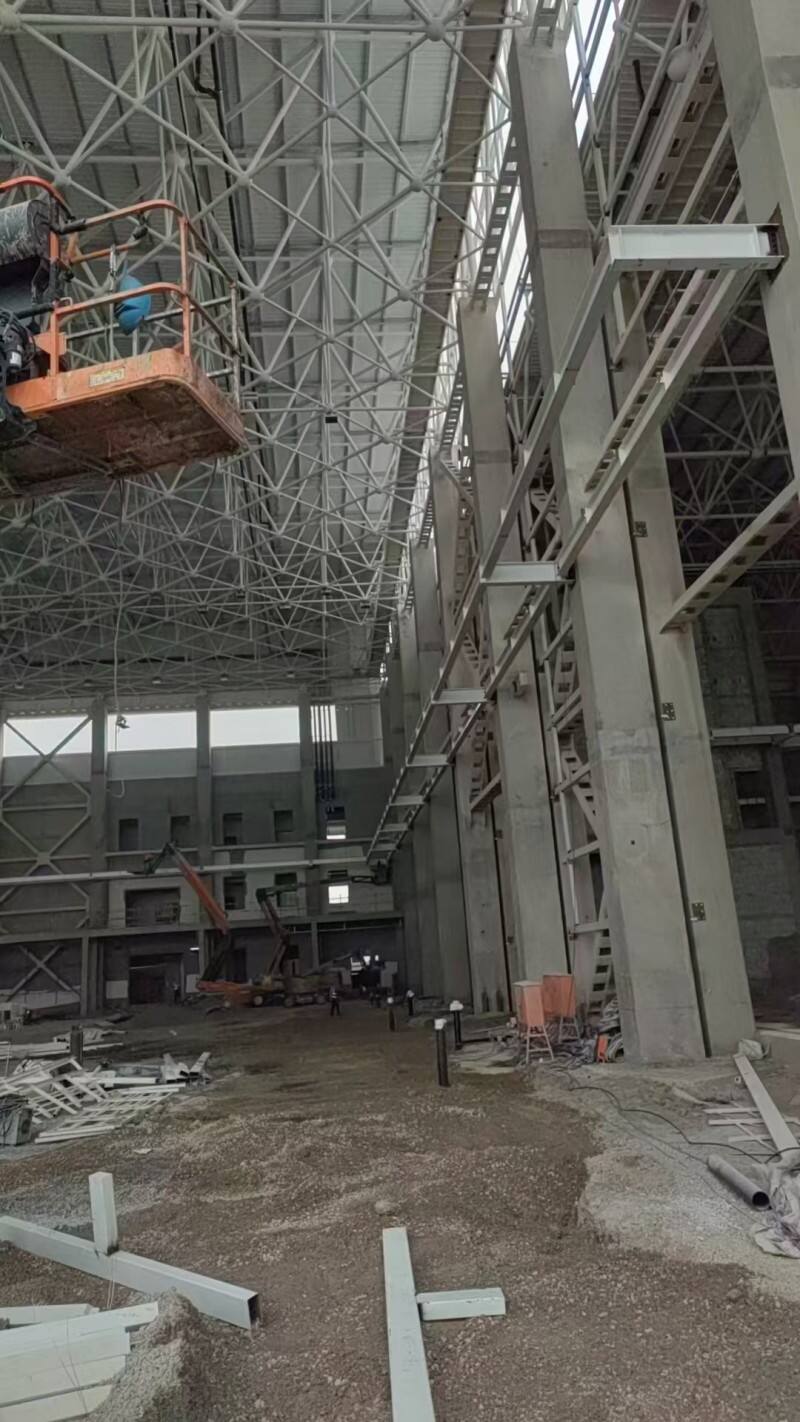
Genbrugelighed og kryds-til-kryds-livscyklus for stålbygninger
Næsten uendelig genbrugelighed uden nedbrydning af ydeevnen
Stålbygninger bevarer deres styrke, selv efter at være genbrugt flere gange – noget, som beton og træ simpelthen ikke kan matche, da disse materialer faktisk nedbrydes ved genbrug. De fleste konstruktionsstål indeholder allerede omkring 92–93 procent genbrugt materiale, og hver enkelt ståldel kan genoprettes, når bygningen når slutningen af sin levetid, ifølge nyeste data fra Global Steel Association. Hvorfor sker dette? Fordi stål ikke mister sine egenskaber under smelteprocessen. Når gamle stålrammebygninger demonteres, lykkes det entreprenører normalt at genbruge mere end 90 procent af de vigtigste dele, som derefter smeltes ned til nyt, bygningsmæssigt egnet stål uden nogen kvalitetsnedgang. Det, vi ser her, er noget ret bemærkelsesværdigt inden for byggematerialer. En gammel fabrik, der rives ned i dag, kan meget vel blive en del af en helt ny skyskraber næste år og bære præcis samme last og opfylde alle moderne sikkerhedsstandarder ligesom helt nyt materiale.
Lukket kreds byomdannelse: nedrivning og genopretning — materialegenindførelse — nye bygninger
Flere byer begynder at se gamle bygninger som skattekræmmerbutikker med byggematerialer i stedet for blot som affaldshobe. Stål kan især genbruges igen og igen, hvilket hjælper med at holde byggematerialer i lokalt kredsløb. Når bygninger nedrives omhyggeligt, forbliver hele bjælker og søjler intakte og kan straks bruges i nye projekter. Det, der ikke opfylder kravene, sendes til nærliggende stålværker, hvor det smeltes ned og fremstilles på ny. Ifølge en undersøgelse fra Urban Sustainability Institute sidste år reducerer denne fremgangsmåde behovet for helt nye råmaterialer med omkring to tredjedele sammenlignet med traditionelle metoder. Hele systemet fungerer også ret smidigt: Nedriv en gammel bygning, genvind brugbare dele, send resterne til lokale værker og se så, hvordan de genbrugte materialer bliver en del af skoler, klinikker og boliger meget hurtigere, end hvis alt skulle fragtes ind fra langt væk. At fjerne al det strukturelle affald, der ellers ville ende på lossepladser, samtidig med at kulstofemissionerne reduceres med næsten halvdelen hver gang, gør dette system godt både for vores pengepung og for planeten på lang sigt.
Energi-effektivitet og alignment med grøn certificering for stålkonstruktioner
Termisk optimering gennem integration af højtydende kledning og isolering
Stålbygninger har bedre termisk ydeevne, fordi de bruger specielt designet beklædning og korrekt installeret isoleringsmateriale. Traditionelle trærammer kan simpelthen ikke konkurrere hermed, da stål bibeholder sin form så godt, at isoleringen kan lægges kontinuerligt uden revner, hvor varme ellers ville slippe ud. Dette eliminerer de irriterende termiske broer, der tillader varme at trænge direkte gennem bygningsrammen. Når disse systemer kombineres med reflekterende tag og indbyggede dampspærre, reduceres opvarmnings- og køleomkostningerne med ca. 20–30 % årligt, samtidig med at problemer forårsaget af fugtophopning i væggene undgås. Det endelige resultat af denne ingeniørmæssige indsats er en bygningskappe, der sikrer stabile indendørs temperaturer uanset, hvad Moder Natur sender vores vej – om det er skærende hedebølger, iskolde vintre eller fugtige sommerdage. Og det bedste ved det hele? Alt dette påvirker ikke stålkonstruktionens styrke og holdbarhed over tid.
Sti til LEED-, BREEAM- og lokal grøn bygningskompatibilitet via driftsmålinger
De egenskaber, der gør stål så nyttigt, passer også godt ind i de fleste grønne bygningscertificeringer som LEED, BREEAM og lokale bæredygtighedsregler, fordi de giver resultater, der faktisk kan måles og registreres. Når det gælder energibesparelser, hjælper forbedret isolering og materialer, der reflekterer sollys, virkelig projekter med at opnå point under sektionen "Energi og atmosfære" i disse certificeringer. Stålbygninger indeholder typisk en stor mængde genbrugt materiale, og da meget af arbejdet foregår væk fra byggepladsen, efterlades der simpelthen ikke så meget affald i forhold til traditionelle bygningsmetoder. Nogle beregninger antyder, at byggepladser genererer omkring 90 % mindre affald, når der arbejdes med stålkonstruktioner. Desuden er det ikke så kompliceret for projektledere at holde styr på f.eks. hvor meget energi en bygning forbruger over tid, dens samlede kuldioxidpåvirkning og om luften inde i bygningen forbliver ren – hvilket gør det muligt at dokumentere, at bygningerne opfylder alle disse grønne standarder. Dette gør det muligt at opnå topcertificeringer, selv når der er forskellige regler fra sted til sted.
Holdbarhed, modstandsdygtighed og lav vedligeholdelse i levetiden for bygninger med stålkonstruktion
Bevist ydeevne i tætte byområder: seismisk, vind-, brand- og korrosionsbestandighed
Stålbygninger står sig bemærkelsesværdigt godt i de risikable byområder, hvor der eksisterer flere farer. De er blevet testet i virkelige situationer i mange årtier, og ingeniører har bekræftet deres styrke. Måden, disse strukturer er bygget på, gør det muligt for dem at håndtere jordskælv bedre end lignende betonbygninger, sandsynligvis omkring 30 % mere kraft faktisk. Når det kommer til stærk vind, især under orkaner, hjælper formen på stålbygninger samt hvordan de er forbundet med at bekæmpe vindopdrift og sideværts tryk fra vindstød over 240 kilometer i timen. Ved brande påføres der en speciel belægning, der udvider sig ved opvarmning og skaber isolering, så stålet forbliver stærkt nok til at holde tingene oppe i mindst to timer, selvom temperaturen når 400 grader Celsius. Bekymrer kystområder sig om korrosion? Intet problem. Varmgalvanisering beskytter mod rust og holder i et halvt århundrede eller mere i salt luft. Alt dette sparer omkring 60 % på vedligeholdelsesudgifter over halvtreds år, mens hoveddelene af bygningen ofte holder næsten dobbelt så længe.
Effektivitet ved præfabrikation og reduktion af byggeaffald i stålkonstruktioner
Op til 90 % reduktion af affald på byggepladsen sammenlignet med betonstøbte og murværksmetoder
Stålkonstruktioner får en betydelig opgradering gennem præfabrikationsmetoder, der gør alt meget mere effektivt og præcist. Når arbejdet udføres i kontrollerede fabriksmiljøer, reducerer ting som computermodeller, CNC-maskiner til udskæring og automatiske svejseanlæg virkelig problemerne, vi ser i traditionel byggeri. Ingen behov for at bestille ekstra materialer som sikkerhed, ingen bekymring for regn, der beskadiger materialer på byggepladsen, og bestemt færre fejl ved udsætning af dele på stedet. Ifølge en ny rapport fra Construction Waste Management (2024) udgør disse problemer næsten 30 % af alt affald i almindelige byggeprojekter. Med præfabrikation leveres hver enkelt bjælke, søjle og panel klar til montering direkte på byggepladsen, så der næsten ikke er behov for sidste-minuts-justeringer. Hvad sker der med overskydende stål? Det genindgår i produktionscyklussen i stedet for at ende på lossepladser. Denne type strukturerede tilgang hjælper med at opfylde målene for grøn bygning, samtidig med at den fremskynder projekttidsplanerne. Derfor vælger flere og flere bygherrer præfabricerede stålløsninger som standardmetode til bygning med minimalt affald og maksimal kvalitet.
Ofte stillede spørgsmål
Hvad gør stålkonstruktioner genbrugelige?
Stål bevarer sine egenskaber gennem genbrugsprocesser, hvilket gør det muligt at genbruge det flere gange uden kvalitetstab.
Hvordan bidrager stålkonstruktioner til grønne bygningscertificeringer?
Stålkonstruktioner opfylder ofte kravene for certificeringer som LEED og BREEAM på grund af deres energieffektivitet, indhold af genbrugt materiale og reduktion af byggeaffald.
Hvad er fordelene ved præfabrikation i stålbyggeri?
Præfabrikation reducerer affald, fremskynder byggetiden og forbedrer præcisionen ved at udnytte kontrollerede fabriksforhold.
Hvordan håndterer stålbygninger holdbarhed og robusthed?
Stålbygninger tåler miljørisici som jordskælv, vind, brand og korrosion og tilbyder dermed lang levetid samt lavere vedligeholdelsesomkostninger.
Indholdsfortegnelse
- Genbrugelighed og kryds-til-kryds-livscyklus for stålbygninger
- Energi-effektivitet og alignment med grøn certificering for stålkonstruktioner
- Holdbarhed, modstandsdygtighed og lav vedligeholdelse i levetiden for bygninger med stålkonstruktion
- Effektivitet ved præfabrikation og reduktion af byggeaffald i stålkonstruktioner
- Ofte stillede spørgsmål