 EN
EN

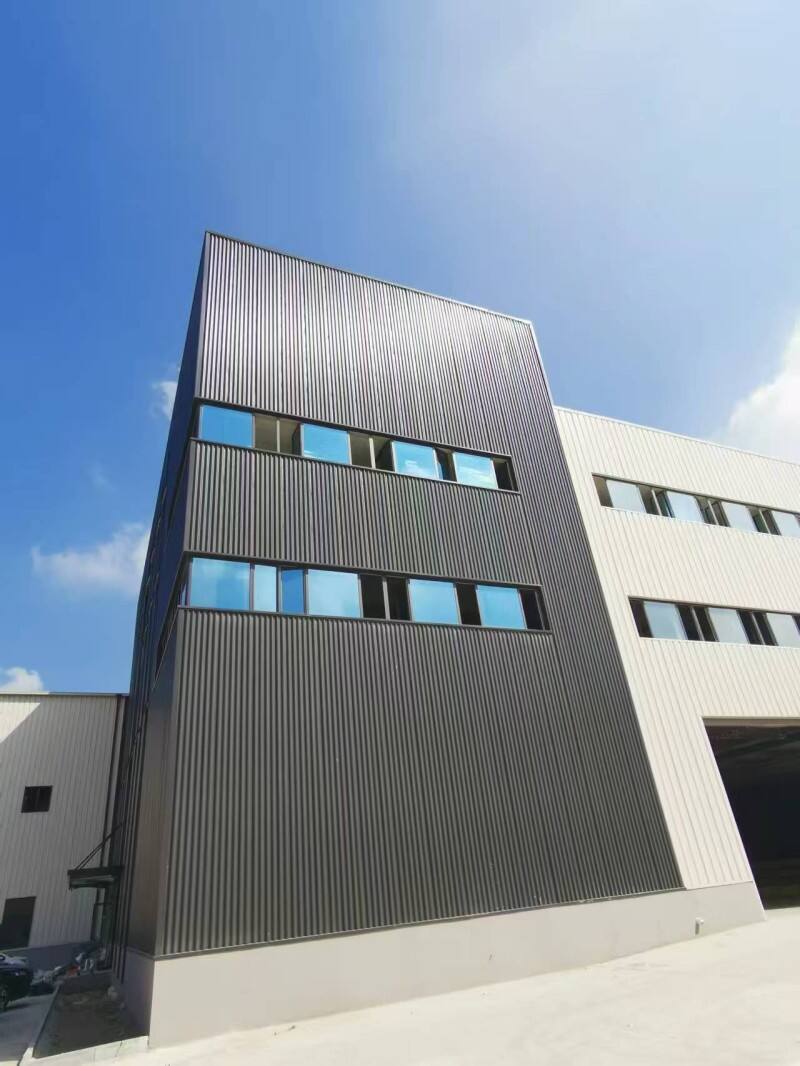
יעילות עלות באמצעות ייצור מוקדם סטנדרטי
מבנים מוקדמים מפלדה מספקים יעילות עלות בלתי נתפסת דרך ייצור במעבדה. על ידי העברת הייצור משטחי בנייה לא צפויים למבנים מבוקרים, הפסדי חומרים יורדים באופן דרמטי בעוד שפריון העבודה עולה באופן משמעותי.
עלות התחלתי נמוכה יותר בזכות ייצור מופשט במעבדה ותפוקת חומרים
הגדרות מפעל מאפשרות רכישת פלדה בגדלים ודיוק חיתוך מונחה על ידי מחשב, השגת עד 30% שימוש חומר גבוה יותר מאשר בנייה באתר. קווי ייצור אוטומטיים מייצרים רכיבים עם דיוק מילימטר, תוך חיסול שגיאות מדידה ושינויים יקרים. מתקנים מוגנים מפני מזג אוויר מונעים עיכובים, מבטיחים תוצרת עקבית שתמלא את לוח הזמנים של הפרויקט ללא חריגות תקציב.
חיסכון לטווח ארוך באמצעות הפחתת כוח עבודה, פסולת והוצאות פרויקט
הרכבה באתר של חלקים מוקדמים הנדסיים מצמצמת את הצורך בעובדים מוסמכים ב-40 אחוז בערך בהשוואה לגישות הבנייה המסורתיות. כאשר אנו בוחנים כיצד רכיבים אלו מיוצרים בדיוק כה גבוה שפסולת החומרים נותרת מתחת ל-5%, זה מפחית באופן טבעי את ההוצאות של החברות על הסרת פסולת. קיצור זמן הבנייה משמעו שהעסקים אינם צריכים לשלם ריבית על הלוואות לאורך זמן, ובנוסף, אנשים יכולים להתחיל להשתמש במרחב כבר בשלב מוקדם יותר, מה שממיר את ההוצאות הראשוניות הגדולות לכסף ממשי שנכנס מהר יותר. כמו כן, יש פחות התנגשויות ועריכות תכנון במהלך הבנייה, והתחזוקה נוטה להיות פשוטה יחסית לאורך זמן. כל הגורמים הללו יחד גורמים לבניינים מפלדה מוקדמים להיראות כאופציה טובה יותר מבחינה כספית עבור מי שמתכנן להשקיע בתשתיות שתמשך שנים רבות.
לוח זמנים מאיץ: בנייה וכניסה לשימוש מהירה
קיצור משך הבנייה ב-30–50% הודות ליצירת רכיבי בניין מחוץ לאתר ולהרכבה באתר
יצירת רכיבי בניין מחוץ לאתר חוסכת כמות גדולה של זמן, מכיוון שמכונות ייצור במעבדות יכולות לייצר חלקים במדויק, בעוד שהצוותים מתכוננים כבר באתר המדויק. סוג זה של עבודה סימולטנית מאפשר להיפטר מעיכובים מטריזיים מזדמנים ומאפשר להריץ את הייצור 24 שעות ביממה. לפי מחקר של מקינזי משנת 2025, פרויקטים המשתמשים בשיטה זו מסתיימים בין 30 ל-50 אחוז מהר יותר מאשר טכניקות הבנייה המסורתיות. כאשר העובדים מגיעים לאתר, הם בעצם מחברים קטעים מוכנים מראש, ולא מתחילים מאפס בחומרים גולמיים. בכך מאיצה מאוד תהליך ההרכבה כולה, ומביא לבניית מבנים שיכללו נחיתה מהירה יותר. היתרונות האלה חשובים במיוחד לעסקים שמעוניינים לפתוח את דלתותיהם במהירות, שכן השקיית מוצרים או שירותים לשוק בזמן קצר משפיעה ישירות על הרווחיות האורכית של הפיתוחים הללו.
ביצוע מבני עליון ועמידות מוגברת
יחס עמידות למשקל גבוה וקיבולת נשיאת עומס עקבית במבנים פלדיים
היחס בין חוזק למשקל של הפלדה הוא די מדהים כאשר מדובר בהנדסת מסגרות קלות יותר שיכולות להחזיק משקל רב יותר בהשוואה למה שמקבלים בבטון או בעץ. מה שזה אומר בפועל הוא שבנינים וגשרים יכולים לכסות מרחקים ארוכים בהרבה ללא צורך בכל העמודים הנוספים האלה ביניהם. הנקודה המרכזית כאן היא שאנחנו מסיימים להשתמש בכמות חומר קטנה יותר בכלל, תוך שמירה על יציבות מבנית מלאה. כאשר יצרנים מייצרים רכיבי פלדה במפעלים, הם שולטים טוב בהרבה בממדים ובתאימות החומר. זה מבטיח שהכל שנבנה יפעל באופן אמין גם תחת סוגי מתח שונים לאורך זמן. ואל נ забывать את היכולת של הפלדה להתעקל במקום לשבור כאשר עומסיה עולים על המגבלות. מאפיין זה מאפשר לבניות לעוות באופן הדרגתי במקום לקרוס לפתע, מה שנותן למ diseñרים סף בטיחות חשוב שדרוש ליישומים בעולם האמיתי.
עמידות מוכחת בפני מזג אוויר קיצוני, פעילות סייסמית ואש
מבנים מפלדה יכולים לעמוד בתנאים קשים למדי הודות לטיפולים הגנתיים מיוחדים והפלדה עצמה, שהיא די עמידה. הקישוטים המתקדמים שמיושמים על מבנים אלו עומדים במצודת חלודה ופירוק, במיוחד חשוב באזורים סמוכים למים מלוחים או סביב מפעלים שבהם נמצאים כימיקלים. הקישוטים הללו שומרים על עמידות הפלדה ועל שלמותה במשך שנים רבות ללא צורך בשימור מתמיד. כשמדובר ברעידות אדמה, לפלדה יש תכונה מעולה הנקראת דקתיות, המאפשרת לה להתעקל במקום לשבור כאשר פוגעות בה רעידות. פעולת ההתעקלות הזו בולעת חלק מהכוח המזדעזע הנובע מרעידות אדמה, ובכך מקטינה באופן משמעותי את הסבירות לקריסות באזורים הפגיעים לפעילות סיסמית. בטיחות באש היא תחום נוסף שבו פלדה מצליחה. קישוטי דליקה מיוחדים מתנפחים כאשר הם נחשפים לטמפרטורות גבוהות, ויוצרים סוג של מצע תרמי המגן על הפלדה שמתחת. בנוסף, מאחר שפלדה כלל לא בוערת, היא ממשיכה לתמוך במטענים של הבניין למשך זמן רב בהשוואה לחומרים כמו עץ במצב של שריפה קשה.
בקרת איכות משופרת ותחזוקה מופחתת לאורך מחזור החיים
הנדסת דיוק, שichten مقاومة לקורוזיה, ותקופת שירות צפויה
כאשר חלקים מיוצרים במפעלים במקום באתר, בקרת האיכות הופכת מחמירה בהרבה. מכונות אוטומטיות יכולות לחתוך וללחות עם דיוק ייחודי, לעתים קרובות עד הפרש של כמה מילימטרים בלבד. זה אומר שאין יותר את בעיות ההתאמה המפריעות שמתעוררות כאשר הדברים אינם מתאימים כראוי באתר הבנייה. החלקים גם עוברים טיפול נגד קורוזיה, בדרך כלל באמצעות שיטות כגון גלוון טבילה חמה. לפי כמה מחקרים אחרונים של NACE משנת 2023, הגנה מסוג זה יכולה להאריך את תקופת חייו של הפלדה ביותר מ-50 שנה, גם בתנאים קיצוניים במיוחד. בנוסף, היא מצמצמת את הבעיות הנגרמות על ידי חלודה בכ־70%. השגת ציפויים אחידים אינה משהו שקבלנים יכולים לשכפל בקלות במהלך עבודות בנייה רגילות. מבנים פלדה מוכנים מראש (prefab) זקוקים בסך הכול ל-30–40 אחוז פחות תיקונים לאורך תקופת חייהם לעומת מבנים מסורתיים. זה מתترجم למספר קטן יותר של בדיקות נדרשות, פחות זמן הדרוש לתיקון בעיות, ותפקוד טוב יותר מהיום הראשון ועד לסגירתו לאחר עשרות רבות של שנים של שירות.
שאלות נפוצות (FAQ)
מהו בנייה מוקדמת (פרה-פבריקציה) במבנה?
בנייה מוקדמת כוללת ייצור רכיבי בניין בסביבת מפעל והרכבתם באתר, מה שמביא לשיפור היעילות וליעילות עלות.
איך הבנייה המוקדמת מפחיתה את עלויות הבנייה?
הבנייה המוקדמת מפחיתה עלויות על ידי הפחתת פסולת, שיפור ניצול החומרים, צמצום דרישות כוח אדם וזריזות לוחות הזמנים באמצעות ייצור מבוקר במפעל.
למה מעדיפים פלדה בבניינים מוקדמים?
הפלדה מציעה יחס עוצמה-למשקל גבוה, עמידות מעולה בפני מזג אוויר, רעידות אדמה ואש, וגמישות אופטימלית בעיצוב, מה שהופך אותה לאידיאלית לבנייה מוקדמת.
האם בניינים מוקדמים יכולים לעמוד בתנאי מזג אוויר קיצוניים?
כן, מבנים מוקדמים מפלדה מעובדים בכיסויים מגנים כדי לעמוד בשחיקה, התעכלות ותנאים קיצוניים אחרים, כולל רעידות אדמה ואש.
איך הבנייה המוקדמת משפרת את בקרת האיכות?
הפרה-הרכבה משפרת את בקרת האיכות על ידי שימוש במכונות אוטומטיות להנדסת דיוק ומבטיחה שichten עקביות למניעת קורוזיה.