 EN
EN

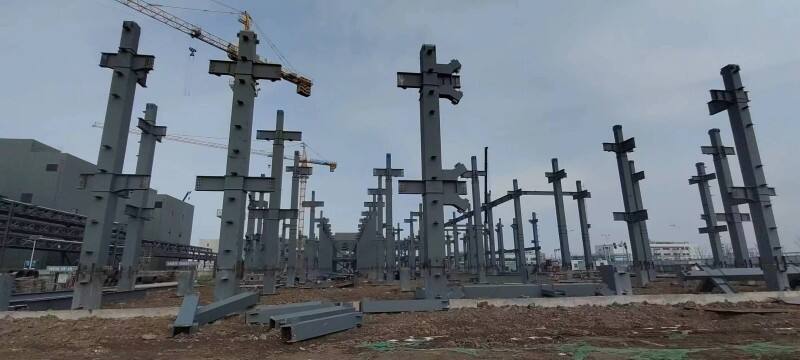
עמידות לרעידות אדמה ולרוח של מבנים מפלדה
דוקטיליות ובליעת אנרגיה בעת רעידות אדמה
מבנים מפלדה נוטים להתפקד טוב יותר באזורים הפגועים מרעידות אדמה, מכיוון שיש להם תכונה הנקראת דקיטיליות, כלומר הם יכולים להתקפל ולהתפתל במידה רבה לפני שמתפרקים לחלוטין. כאשר יש רעידה מאסיבית, מבנים אלו יכולים בפועל לבלום ולשחרר אנרגיה בדרך מבוקרת, מה שמסייע למנוע נזק חמור למבנה עצמו. חומרים פריכים כמו בטון פשוט מתפצלים ומתרסקים לפתע, בעוד שלצידי פלדה מתמודדים עם כוחות סיסמיים באופן שונה. הם נושאים את המכה בעיקר דרך מה שמהנדסים קוראים לו 'ניצול עקיפה' (flexural yielding) בקרשים ובחיבורים שלהם. התוכניות המודרניות של מבנים עוקבות אחר עקרונות הנקראים 'הגנה על הקיבולת' (capacity protection). במפורש, מהנדסים יוצרים מקומות מסוימים שבהם מתרחשת עקיפה מבוקרת ראשונה, כגון בקצות הקרשים או סביב חיבורים מסוימים, תוך שמירה על עמודים חזקים מספיק כדי להחזיק את כל המבנה יחדיו. גישה זו מאפשרת לעצב מבנים בהתאם לביצועים סיסמיים (performance-based seismic design) בצורה יעילה, ומסייעת להבטיח את בטיחות האנשים בזמן רעידות אדמה ולמנוע קריסה מלאה של המבנה כשזה חשוב ביותר.
הישגים אירודינמיים ופיזור המטען באירועי רוח חזקה
מערכות פלדה שתוכננו לבניינים עמידות מאוד לרוחות חזקות, מכיוון שהן בעלות צורות שחותכות טוב יותר דרך האוויר ומייצרות מסלולים ברורים להעברת הכוח דרך המבנה. מהנדסים בוחנים למעשה את העיצובים האלה במנהרות רוח כדי להבין כיצד למנוע בצורה הטובה ביותר את התנתקות הגגות ולהפחית את תופעת הרעידה המטריחה שנגרמת על ידי דפוסי אוויר מסתובבים. כאשר כוחות אופקיים חזקים פוגעים בבניין, הם מועברים כלפי מטה דרך מערכות מסגרת מיוחדות או חיבורים שמונעים סיבוב, עד לקרקע הקשיחה שמתחת. דיאפרגמות (האלמנטים המבניים השטוחים האלה) וקירות גזירה עוזרים להתיר את הלחץ באופן אחיד לאורך מעטפת הבניין כולה. באזורים שבהם סופות הוריקן נפוצות, בוני הבניינים עושים מאמץ נוסף באמצעות חיבורים חזקים יותר בין הרכיבים ומוסיפים מבנים תמיכה נוספים. בניינים אלו יכולים לעמוד במהירויות רוח של מעל 150 מייל לשעה מבלי לאבד את צורתם או להאט משמעותית את תהליך הבנייה, מה שמרשים למדי כשחושבים על מה שקורה במהלך סופות אמיתיות.
אבטחת אש והגנה פאסיבית במבנים פלדה
התנהגות תרמית של פלדה ואסטרטגיות מודרניות לדיכוי אש
פלדה אינה בוערת, אך כאשר הטמפרטורה מגיעה לערך של כ־550 מעלות צלזיוס (כלומר כ־1,022 מעלות פרנהייט), היא מאבדת בערך מחצית מעוצמתה. עובדה זו הופכת את ההגנה הפאסיבית מפני אש לחיונית לחלוטין אם יש לשמור על עמידות הבניינים בעת שרפה. מערכות הגנה פאסיביות מפני אש פועלות על ידי שילוב חומרים עמידים לאש בתוך מבנה הבנייה עצמו. חומרים אלו עוזרים להכיל את הלבה, להאט את התפשטות החום דרך המבנה, ובעיקר — להגן על מסלולי המילוט הקריטיים. היתרונות של גישה זו הם שהאמצעים ההגנתיים פועלים אוטומטית, ללא צורך בחשמל, ובלי שמיותר ללחוץ על כל כפתור או לבצע פעולה מיוחדת במצב חירום.
אסטרטגיות מפתח כוללות:
- ציפויים נפוחים , אשר מתרחבים בעת החימום ויוצרים שכבה פחמנית בעלת מוליכות תרמית נמוכה;
- חומר דיקור באש מבוסס צמנט או סיבי, שמוחל על ידי ריסוס , המציע בידוד תרמי עמיד על איברי פלדה חשופים;
- לוחות ועטיפות בעלי דירוג אש , כגון לוחות גבס או סיבי מינרלים ועטיפת בטון, שמספקים חלוקה לחלקים ומסה מבנית נוספת;
- טכניקות של חלוקה למפרטים , כולל קירות מגני אש, חדירות מוצמדות היטב ומחיצות עם דירוג אש, כדי להגביל את התפשטות האש והעשן.
שיטות אלו נוהגות להשתלב לעיתים קרובות כדי לעמוד בדרישות קפדניות של דירוגי התנגדות לאש (למשל, ASTM E119 או EN 1363-1), ותומכות הן ביציאת התחנה והן בהתייצבות המבנית תחת חשיפה לאש.
ת Resistancת לעיון ויציבות מבנית ארוכת טווח
ציפויים מתקדמים, סגסוגות עמידות לסביבה והתאמה לסביבות שונות
העיון מהווה עדיין איום עיקרי על הבטיחות והיכולת לשימוש לאורך זמן; במיוחד בסביבות חוף, תעשייתיות או בעלות רמת לחות גבוהה. האמצעים המודרניים למניעתו מבוססים על אסטרטגיות רב-שכבותיות, מותאמות לאתר, ומבוססות על מדעי החומרים ונתוני הסביבה.
פרימרים עשירים באבץ בשילוב עם ציפויי אפוקסי איכותיים יוצרים שכבות הגנה שמעכבות את מגע הפלדה עם חמצן וחומרים קורוזיביים. פלדות מזדחלות (Weathering steels) המכילות נחושת, כרום וניקל מפתחות באופן טבעי שכבת חלד יציבה לאורך זמן. שכבת ההגנה הזו עצמה עוצרת נזקי קורוזיה נוספים, מה שפירושו שצוותי התחזוקה אינם צריכים לבדוק גשרים ומבנים אחרים בתדירות גבוהה כה. חלק מהמחקרים מראים כי ניתן לצמצם את עבודת התחזוקה ב-60% בערך, על פי "AISC Design Guide 23". בעת התאמה של חומרים לסביבות שונות, מהנדסים מפגינים יצרתיות. לדוגמה, באזורים חוףיתיים נהוג לעתים קרובות לשלב ציפויי תרמופלסטיק עם מערכות הגנה קתודית. לעומת זאת, באזורים מדבריים נוטים לבחור באLOY ספציפיות שמתמודדות טוב יותר עם שחיקה על ידי חול ואבק.
ההשלכות הכלכליות והביטחוניות הן משמעותיות: קורוזיה שלא נשלטה תורמת לאובדים מבצעיים שמוערכים ב-740,000 דולר אמריקאי לשנה למבנה אחד שנפגע (מכון פונמון, 2023). כאשר מבנים מפלדה מתוכננים כראוי ונתמכים כראוי, הם בדרך כלל משיגים תקופת חיים של יותר מ-100 שנה; תוך שמירה על כל יכולת התמיכה במשימות ויציבות מבנית לאורך עשורים.
יתרונות בטיחותיים מחזורי חיים: תחזוקה, בדיקות וביצוע צפוי
לבנייני פלדה יש יתרונות אמיתיים בתחום הבטיחות לאורך כל מחזור חייהם, בזכות ההתמדה של החומר, ובנוסף לכך שחלקי הפלדה מיוצרים בממדים מדויקים והתנהגותם תחת מתח היא צפוייה. כשמדובר בבדיקה של מבנים אלו למציאת בעיות, בדיקות ויזואליות הן יעילות למדי, יחד עם מגוון בדיקות לא מפריעות. נמנים עליהן בדיקת אולטרסאונד, בדיקת חלקיקים מגנטיים, ושיטות מתקדמות כגון טכניקת המערך המופע (phased array). הפלדה מתאימה במיוחד לשיטות בדיקה אלו, בשל הרכבו האחיד ומשטחיו הנגישים בקלות. זה מאפשר לזהות בעיות כגון סדקים זעירים הנובעים מעייפות החומר, סימנים ראשוניים של קורוזיה או חיבורים בלתי רגילים – הרבה לפני שהתפתחותן תביא לבעיות בטיחות ממשיות. גילוי מוקדם משמעו פחות הפתעות בעתיד.
גורם הנאמנות מאפשר ניהול פרואקטיבי של נכסים. כאשר עקומות הביצוע צפויות, מהנדסים יכולים לראות בפועל באילו מקומות עלולות להתרחש תקלות לאורך זמן. זה מאפשר להם לתכנן את התחזוקה בצורה טובה יותר, במקום לפעול בתגובה חירומית כשמשהו הולך לאטום באופן בלתי צפוי. אף אחד לא רוצה את התקלות הפתאומיות האלה שמביאות לתקנות יקרות בשעות לא שגרתיות. פלדה עומדת די טוב בפני תופעות כמו זחילה, בעיות מệtות ובלאי כללי שנובע מחשיפה לסביבות שונות. כלומר, היא ממשיכה לשאת עומסים לאורך שנים רצופות. אנשי מקצוע העוסקים בהערכת בטיחות מרגישים הרבה יותר בטוחים שהדברים האלה יתאימו לתקנות גם עם חלוף הזמן. בסיכום, מאפיינים אלו עוזרים לצמצם את ההוצאות הכוללות של החברות, תוך שמירה על פעילות חלקה של המתקנים והגנה על כל מי שמשתמש בהם.
שאלות נפוצות
למה מבנים מפלדה מועדפים באזורים הסוכנים לרעידות אדמה?
מבנים מפלדה מועדפים באזורים כאלה בשל היכולת שלהם לבלוע ולשחרר אנרגיה בזמן רעידות אדמה, בזכות היציבות שלהם, מה שמניע נזקים חמורם ומבטיח בטיחות.
איך מבנים מפלדה מתמודדים עם כוחות רוח חזקים?
מבנים מפלדה מעוצבים בצורות ואלמנטים אירודינמיים כדי לחלק את כוחות הרוח בצורה יעילה. הם משתמשים בדיאפרגמות, קירות גזירה וחיבורים מיוחדים כדי להתנגד לסיבוב ולשמור על שלמות המבנית.
אילו אמצעי בטיחות מפני שרפה ננקטים במבנים מפלדה?
הבטיחות מפני שרפה מושגת באמצעות מערכות הגנה פסיביות כגון ציפויים מתרחבים, ספראי יישום צמנט-בסיסי למניעת שרפה ולוחות בעלי דירוג אש, אשר עוצרים את התפשטות האש ומונעים התפשטות חום.
איך מניעים קורוזיה במבנים מפלדה?
מניעת הקורוזיה מתבצעת באמצעות טלאים עשירים באבץ, ציפויים אפוקסיים וсплавים עמידים לאקלים היוצרים שכבות מגנות, ובכך מפחיתים את הצרכים לתיקונים ומעלים את משך החיים הפעילי של המבנה.
אילו שיטות בדיקה משמשות עבור מבנים מפלדה?
שיטות בדיקה לא מפריעות, כגון בדיקת אולטרסאונד וטכניקות של מערך מופע, משמשות לבדיקת מבנים פלדיים כדי לגלות סימנים מוקדמים של נזק, כגון סדקים עקב עייפות או קורוזיה.