 EN
EN

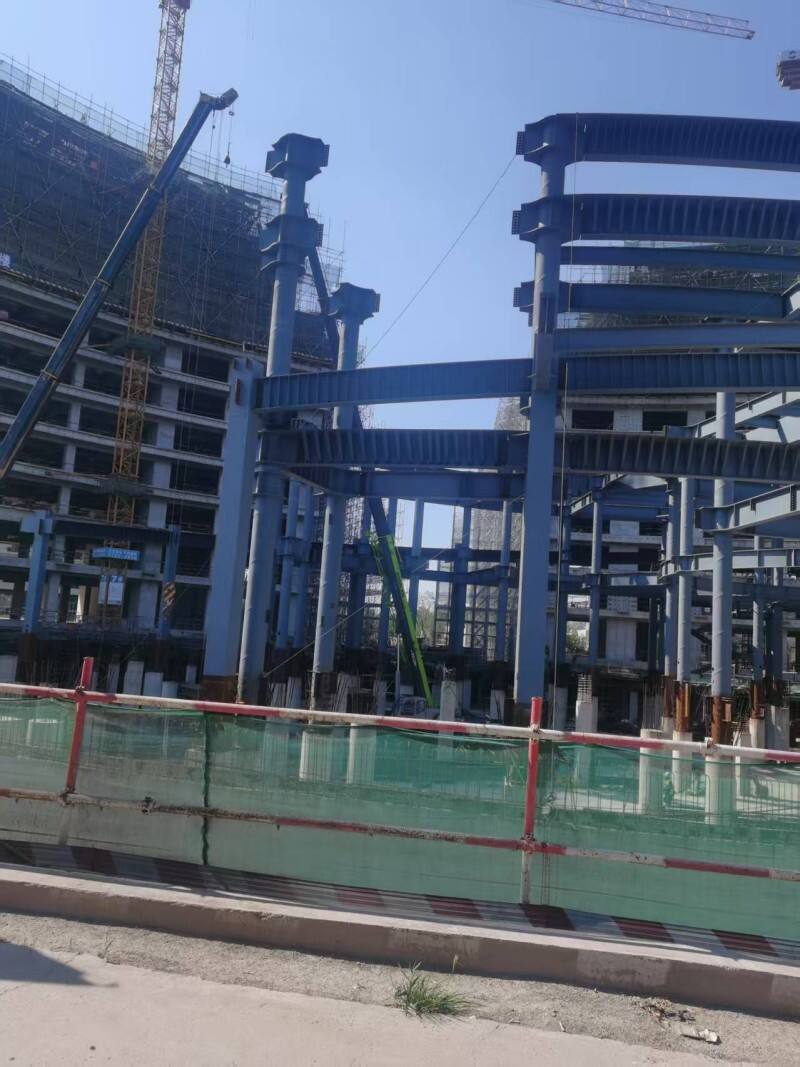
သံမဏိဖွဲ့စည်းမှုများ ဖွံ့ဖြိုးတိုးတက်လာမှု၏ သမိုင်းဝင်အဆင့်များ
သံမဏိဖွဲ့စည်းမှုများ၏ သမိုင်းကြောင်းသည် လူသားများသည် အဆောက်အဦများတွင် သံကို ပထမဆုံးအသုံးပြုခဲ့သည့် အချိန်မှ စတင်ခဲ့ခြင်းဖြစ်ပါသည်။ ဥပမါ- ၄၀၀ ခုနှစ်ဝန်းကျင်က ဒီလီမှ အထူးသဖြင့် ထင်ရှားသော သံတိုင်ကြီး (Iron Pillar) သည် ယနေ့ခေတ်တွင်ပါ အမျှ မြေပေါ်တွင် တည်မြဲနေဆဲဖြစ်ပါသည်။ သို့သော် သံ၏ အားနည်းချက်များမှာ အလွယ်တကူ ကွဲအက်လေ့ရှိပြီး အချိန်ကြာလာသည်နှင့်အမျှ ခြောက်သွေ့မှု (rust) ဖြစ်လေ့ရှိခြင်းဖြစ်ပါသည်။ ထို့ကြောင့် သံကို အကြီးစားအဆောက်အဦများတွင် အသုံးပြုရန် သံလုပ်စည်းကူးမှု (metalworking) တွင် အရေးကြီးသော တိုးတက်မှုများကို ဉာဏ်ရည်ထက်မြက်သော ပညာရှင်များက ပြုလုပ်ပေးမှသာ ဖြစ်နိုင်ခဲ့ခြင်းဖြစ်ပါသည်။ ထို့နောက် ၁၈၅၆ ခုနှစ်တွင် ဘက်စမာ (Bessemer) ဟု အမည်ရသော ပညာရှင်တစ်ဦးသည် သံမဏိကို ပိုမိုမြန်ဆန်စွာနှင့် စုံစမ်းစရိတ်သက်သာစွာဖြင့် ထုတ်လုပ်နိုင်သည့် နည်းလမ်းကို ရှာဖွေတွေ့ရှိခဲ့ပါသည်။ ထိုအချိန်မှစ၍ အဆောက်အဦများ တည်ဆောက်ရာတွင် အားကောင်းပြီး လိုအပ်သလောက် ကွေးနိုင်သည့် ပစ္စည်းများကို စျေးနောက်မှ မှန်ကန်စွာ ရရှိလာခဲ့ပါသည်။ သို့သော် ဤအပြောင်းအလဲသည် တစ်ချက်နှင့် ဖြစ်ပေါ်လာခြင်းမဟုတ်ဘဲ ဤနည်းလမ်းသစ်များဖြင့် အလားအလာများကို လူအများက နားလည်လာရန် အချိန်ကြာမှ ဖြစ်ပါသည်။
- ပထမဆုံး သံသွန်းအဆောက်အအုံ (ဖီလာဒဲလ်ဖီးယား၊ ၁၈၂၀) တံတားများအပြင် သံမဏိ အဆောက်အဦများကို ပြသခဲ့ခြင်း
- ရှေးခေတ် သံမဏိ တံတား (ဗီယင်နာ၊ ၁၈၂၈) ပိုမိုကောင်းမွန်သော အလေးချိန်ခံနိုင်ရည်ကို ပြသခဲ့ခြင်း
- အမေရိကန်နိုင်ငံတွင် သံမဏိ ထုတ်လုပ်မှု အများအပြား တိုးတက်လာခဲ့ခြင်း ၁၈၇၅ ခုနှစ်တွင် ၃၈၀,၀၀၀ တန်မှ ၁၉၂၀ ခုနှစ်တွင် ၆၀ သန်းတန်အထိ
သံမဏိ၏ တီထွင်မှုများက ၁၉၁၃ ခုနှစ်မှစ၍ ၆၀ ထပ်အထိမြင့်မားသော နယူယောက်မြို့ရှိ ဝူလ်ဝေသ် အဆောက်အဦးကဲ့သို့သော ထင်ရှားသော အဆောက်အဦးများကို တည်ဆောက်နိုင်စေခဲ့ပါသည်။ ထို့နောက် ၁၉၂၈ ခုနှစ်တွင် ခရိုင်စလာ အဆောက်အဦးကို ဆက်လက်တည်ဆောက်ခဲ့ပါသည်။ ဤအဆောက်အဦးများသည် သံမဏိသည် သာမန်သံမျှသာမက မြို့ပုံပေါ်မှ မြင်ရသော မြို့တော်များ၏ ပုံပေါ်ပုံသဏ္ဍာန်ကို အမှန်တကယ်ပြောင်းလဲပေးနိုင်သည့် အရာဖြစ်ကြောင်း လူတိုင်းအား ပြသပေးခဲ့ပါသည်။ အဆောက်အဦးများ တည်ဆောက်ရာတွင် သံမှ ပိုမိုခိုင်မာသော သံမဏိပစ္စည်းများသို့ ပြောင်းလဲသောအခါ ဗိသုကာများအတွက် ကမ္ဘာအသစ်တစ်ခုကို အမှန်တကယ်ဖွငေးပေးခဲ့ခြင်းဖြစ်ပါသည်။ အခုအခါတွင် ပေါင်များကို အကွာအဝေးများတွင် ဘယ်လောက်အထိ ဆန့်ထားနိုင်မည်၊ အဆောက်အဦးများကို မြင့်မားစွာ တည်ဆောက်နိုင်မည်၊ အဆောက်အဦးများကို ဘယ်လောက်အထိ ထိရောက်စွာ တည်ဆောက်နိုင်မည် စသည့် ကန့်သတ်ချက်များသည် အရင်ကလောက် မှီခိုရမည့် အခြေအနေများ မဟုတ်တော့ပါ။ ယနေ့ခေတ်ခေတ်သံမဏိ အဆောက်အဦးများသည် ထိုအစောပိုင်းကုန်းမှုများ၏ တိုက်ရိုက်အမွေဆက်ခံမှုများဖြစ်ပါသည်။ ယင်းအဆောက်အဦးများသည် အတည်တက်သော ခွန်အားကို ခေတ်မှီသော အင်ဂျင်နီယာနည်းပညာများနှင့် ပေါင်းစပ်ထားခြင်းဖြစ်ပါသည်။ ထို့ကြောင့် အဆောက်အဦးများသည် နေ့စဉ်အသုံးပြုရာတွင် လုံခြုံမှုရှိပြီး လက်တွေ့ကျသော အဆောက်အဦးများဖြစ်လာပါသည်။
သံမဏိအဆောက်အဦးဒီဇိုင်းတွင် အရေးပါသော နည်းပညာများ တိုးတက်မှုများ
ခေတ်မီသံမဏိဖွဲ့စည်းပုံများသည် ပစ္စည်းဗေဒနှင့် ဒစ်ဂျစ်တယ်အင်ဂျင်နီယာရေးဆွဲမှုတွင် ပေါင်းစပ်မှုရှိသော တိုးတက်မှုများကြောင့် မကြုံစဖူးသော စွမ်းဆောင်ရည်များကို ရရှိခဲ့ခြင်းဖြစ်ပါသည်။ ထို့ကြောင့် ပိုမိုခိုင်မာပြီး ထိရောက်မှုရှိသော နှင့် ဗိသုကာလက်ရှိ စွမ်းရည်များကို အသုံးချသည့် တည်ဆောက်မှုများကို ဖန်တီးနေပါသည်။
မြင့်မားသော စွမ်းဆောင်ရည်ရှိသော ပစ္စည်းများ- TMCP၊ ရေရှို့မှုခံနိုင်ရည်ရှိသော သံမဏိနှင့် စွမ်းအင်ခွဲခြမ်းစိတ်ဖြာမှု လုပ်ငန်းစဉ်များ
TMCP သံမဏိဟာ ၎င်းရဲ့ အလေးချိန်နဲ့ နှိုင်းယှဉ်ရင် တကယ့်ကို အံ့ဖွယ် ခိုင်မာမှုရှိပြီး ဒါက ပုံမှန် သံမဏိထုတ်ကုန်တွေထက် ၂၂% နည်းတဲ့ ပစ္စည်းကို သုံးရင်း ငလျင်ဒဏ်ခံနိုင်ရည် ပိုမြင့်စေပါတယ်။ ရာသီဥတုဆိုင်ရာ ပုံစံက အချိန်ကြာလာတာနဲ့အမျှ သံယိုမှု ကာကွယ်ရေး အလွှာတစ်ခု ဖန်တီးပေးပြီး တကယ်တမ်း ဆေးခြယ်မှု လိုအပ်မှုကို ရပ်တန့်စေပြီး ခက်ခဲတဲ့ အခြေအနေတွေ ရင်ဆိုင်ရတဲ့ တည်ဆောက်မှုတစ်ခုလုံးမှာ ထိန်းသိမ်းမှု ကုန်ကျစရိတ် ၃၅% ခန့်ကို သက်သာစေပါတယ်။ စိမ်းလန်းတဲ့ ထုတ်လုပ်မှု လုပ်ကိုင်ပုံကလည်း ကြီးမားတဲ့ တိုးတက်မှုတွေ ရှိလာပါတယ်။ သံမဏိပေါင်းစပ်မှုအချို့မှာ ပြန်သုံးပစ္စည်း ၉၀% ကျော်ပါဝင်ပြီး စက်ရုံများစွာမှာ ပြန်လည်သုံးနိုင်တဲ့ စွမ်းအင်ရင်းမြစ်တွေနဲ့ လည်ပတ်တဲ့ လျှပ်စစ်အ arc မီးဖိုတွေ သုံးပါတယ်။ ဒီပြောင်းရွှေ့မှုက အခြေခံ သံမဏိထုတ်လုပ်မှု လုပ်ငန်းစဉ်တွေက ကာဗွန်ထုတ်လွှတ်မှုကို ရာစုနှစ်အစောပိုင်းကတည်းက တစ်ဝက်နီးပါး လျှော့ချလိုက်တယ်လို့ World Steel Association က အစီရင်ခံထားပါတယ်။
ဒစ်ဂျစ်တယ် အင်ဂျင်နီယာ ကိရိယာများ BIM ပေါင်းစပ်မှု၊ ပါရာမီထရစ် CAD နှင့် အလိုအလျောက် ထုတ်လုပ်မှု
အဆောက်အဦးအချက်အလက် မော်ဒယ်လင်းခြင်း (Building Information Modeling) သို့မဟုတ် ယေဘုယျအားဖြင့် BIM ဟုခေါ်သည့် နည်းပညာသည် အဖွဲ့အစည်းများအနက် အဖွဲ့များစွာ တစ်ပါတည်း အချိန်နှင့်တစ်ပါတည်း အလုပ်လုပ်နိုင်ရန် အထောက်အကူပေးပါသည်။ ထို့ကြောင့် ဖွဲ့စည်းပုံဆိုင်ရာ သံလွင်သံမှုန်များ (structural steel elements) ကို ညှိနှိုင်းရာတွင် ဒီဇိုင်းပဋိပက္ခများကို အနက် ၄၀ ရှိသည့် အချိန်အထိ လျော့နည်းစေပါသည်။ ပါရာမက်ထရစ် CAD နည်းပညာများသည် လည်း ဤနေရာတွင် အထူးထင်ရှားပါသည်။ ဥပမါ- ဖိအားခံအဆောက်အဦးများ (tension structures) နှင့် diagrid စနစ်များကဲ့သို့သော အရှုပ်ထွေးသည့် ဂျီဩမေတြီများကို အလိုအလျောက် ထုတ်လုပ်ပေးပါသည်။ ထို့ကြောင့် ဒီဇိုင်နာများသည် ပုံစံအသစ်များကို ပြန်လည်ပြင်ဆင်ခြင်းအတွက် အပတ်ပေါင်းများစွာ အချိန်ကုန်သက်သာစေပါသည်။ ဖွဲ့စည်းမှုအလုပ်ရုံများတွင် ရိုဘော့အာမ်များသည် ပလာစမာဖြတ်ခြင်းနှင့် ချော်ပေါင်းခြင်းလုပ်ငန်းများကို မီလီမီတာ ၀.၅ အထိ တိကျမှုဖြင့် လုပ်ဆောင်ပါသည်။ ထို့အတူ အလိုအလျောက် CNC စက်များသည် လူသားများက လက်နှင့်လုပ်ဆောင်နိုင်သည့် အမြန်နှုန်းထက် အနက် ၈ ဆ ပိုမြန်စေပါသည်။ အရာအားလုံး အဆင်ပေါင်းစပ်မှုကောင်းမှုရှိပါက ဤပေါင်းစပ်ထားသည့် လုပ်ငန်းစဉ်များသည် ဖွဲ့စည်းမှုအမှားများကို အများအားဖြင့် ၁/၁၆ လက်မ အတွင်း အမှားအမှန် သတ်မှတ်ချက်အတွင်း ထိန်းသိမ်းပေးပါသည်။ ထို့ကြောင့် တည်ဆောက်မှုလုပ်ငန်းများ နေရာတွင် စတင်ပြီးနောက် အမှားများကို ပြင်ဆင်ရန် လိုအပ်မှုများ အလွန်နည်းပါသည်။
ခေတ်မီသံမဏိဖွဲ့စည်းပုံစနစ်များဖြင့် အကောင်အထည်ဖော်နိုင်သော ဒီဇိုင်းစွမ်းရည်များ
အကွက်ဖွင့်ထားသော အတွင်းပိုင်းများ၊ မော်ဂျူလာအဆင့်မှီ ချဲ့ထွင်နိုင်မှုနှင့် ဟိုက်ဘရစ်ပစ္စည်းများ ပေါင်းစပ်အသုံးပြုခြင်း
ယနေ့ခေတ်ခေတ်မှီ သံမဏိဖွဲ့စည်းပုံများသည် အချိန်နှင့်တစ်ပါတည်း အိမ်သုံးအဆောက်အဦများ ဒီဇိုင်းရေးဆွဲခြင်းတွင် အထူးသဖြင့် အံ့ဖွယ်ဖွယ်ကောင်းမောင်းသော အရာများကို ပေးစေပါသည်။ ထိုသို့သော ဖွဲ့စည်းပုံများသည် အထူးသဖြင့် အာရုံစိုက်မှုကို နှောင့်နှေးစေသည့် အထောက်အကူဖောင်တောင်းများကို ဖယ်ရှားပေးပြီး အလွန်ကြီးမားသည့် အိမ်သုံးအဆောက်အဦများကို ဖန်တီးပေးနိုင်ပါသည်။ ထိုကဲ့သို့သော အဆောက်အဦများသည် အများအားဖြင့် မီတာ ၁၀၀ ကျော်အထိ ကျယ်ဝန်းပါသည်။ ထိုသို့သော အဆောက်အဦများသည် လေယာဉ်မှုန်းမှုန်းများ၊ ကြီးမားသည့် သိုလှောင်ရုံများနှင့် ယနေ့ခေတ်တွင် နေရာတိုင်းတွင် တွေ့ရသည့် အထူးကြီးမားသည့် စျေးဝယ်စင်တာများအတွက် အထူးသင့်တော်ပါသည်။ ထိုဖွဲ့စည်းပုံများသည် မော်ဂျူလာဖွဲ့စည်းပုံများဖြစ်သည့်အတွက် လုပ်ငန်းများသည် လိုအပ်သည့်အတိုင်း အများအားဖြင့် အများကြီးမှ အများကြီးမှ ချိန်ညှိနိုင်ပါသည်။ အသုံးပြုသည့် အစိတ်အပိုင်းများကို ကြိုတင်ထုတ်လုပ်ထားခြင်းဖြင့် အဆောက်အဦများ တည်ဆောက်ရာတွင် အချိန်ကို အထူးသဖြင့် ရှေးနည်းများနှင့် နှိုင်းယှဉ်ပါက အနည်းဆုံး တစ်ဝက်မျှ သို့မဟုတ် ထိုထက်ပိုများစွာ လျော့နည်းစေပါသည်။ သို့သော် အထူးစိတ်ဝင်စားဖွယ်ကောင်းသည့်အရာများမှာ ခေတ်မှီ အဆောက်အဦများတွင် အသုံးပြုသည့် ပစ္စည်းများကို အသုံးပြုပုံဖြစ်ပါသည်။ သံမဏိကို ကွန်ကရစ် သစ်သားများ (cross laminated timber) သို့မဟုတ် ကာဗွန်ဖိုင်ဘာဖြင့် ပြုပြင်ထားသည့် ပလပ်စတစ်များ (carbon fiber reinforced plastics) နှင့် ပေါင်းစပ်အသုံးပြုကြပါသည်။ ထိုသို့သော ပစ္စည်းများကို ပေါင်းစပ်အသုံးပြုခြင်းဖြင့် အဆောက်အဦများသည် ငလျင်များကို ပိုမိုကောင်းမောင်းစွာ ခံနိုင်ရည်ရှိလာပါသည်။ ထို့အပါတည်း အဆောက်အဦများ တည်ဆောက်ရာတွင် ကာဗွန်ဓာတ်ငွေသည် ၃၀ ရှိမှ ၄၀ ရှိအထိ လျော့နည်းစေပါသည်။ ထိုသို့သော အချက်များကို အမေရိကန် သံမဏိအဖွဲ့ (American Institute of Steel Construction) ၏ ၂၀၂၄ ခုနှစ် အစီရင်ခံစာများတွင် ဖော်ပြထားပါသည်။ အဆောက်အဦများ အက်ပ်လ်က်ပ်လ် (Building Information Modeling) သည် ထိုသို့သော အဆောက်အဦများ တည်ဆောက်ရာတွင် အရေးပါသည့် အခန်းကဏ္ဍမှ ပါဝင်ပါသည်။ ထိုသို့သော အက်ပ်လ်က်ပ်လ်ကို အသုံးပြုခြင်းဖြင့် အင်ဂျင်နီယာများသည် အဆောက်အဦများ တည်ဆောက်ရာတွင် အလေးချိန်များ ဖြန့်ဖြူးမှုများကို စမ်းသပ်ကြည့်ခြင်းများ သို့မဟုတ် ပစ္စည်းများအတွင်း အပိုင်းအများ ပူပိုင်းများ ပေါင်းစပ်မှုများကို အဆောက်အဦများ တည်ဆောက်ရာတွင် ကြိုတင်စမ်းသပ်ကြည့်နိုင်ပါသည်။
မေးလေ့ရှိသောမေးခွန်းများ
သံမဏိထုတ်လုပ်မှုမှာ ပထမဆုံး အကြီးမားဆုံး တိုးတက်မှုက ဘာလဲ။
ပထမဦးဆုံး အဓိက တိုးတက်မှုက ၁၈၅၆ ခုနှစ်မှာ Bessemer ရဲ့ လုပ်ငန်းစဉ်ဖြစ်ပြီး သံမဏိထုတ်လုပ်မှုကို ပိုမြန်ပြီး ဈေးသက်သာစေခဲ့တယ်။
TMCP သံမဏိဟာ ဆောက်လုပ်ရေးကို ဘယ်လို အကျိုးပြုလဲ။
TMCP သံမဏိဟာ ၎င်းရဲ့ အလေးချိန်နဲ့ နှိုင်းယှဉ်ရင် အံ့ဖွယ် ခိုင်မာမှုကို ပေးပါတယ်၊ မြေငလျင်ကို ပိုခံနိုင်ရည်ရှိစေပြီး သုံးစွဲတဲ့ ပစ္စည်းတွေကို ၂၂% လျော့ကျစေပါတယ်။
သံမဏိ ဆောက်လုပ်ရေးမှာ BIM ကို အသုံးပြုခြင်းရဲ့ အကျိုးကျေးဇူးတွေက ဘာတွေလဲ။
BIM ဟာ အသင်းတွေကို အချိန်နဲ့တပြေးညီ ပူးပေါင်းဆောင်ရွက်ခွင့်ပေးပြီး ဒီဇိုင်း ပဋိပက္ခတွေကို ၄၀% လျော့ချပေးပြီး တည်ဆောက်မှု အစိတ်အပိုင်းတွေရဲ့ ပိုထိရောက်ပြီး တိကျတဲ့ ညှိနှိုင်းမှုကို အာမခံပေးပါတယ်။