 EN
EN

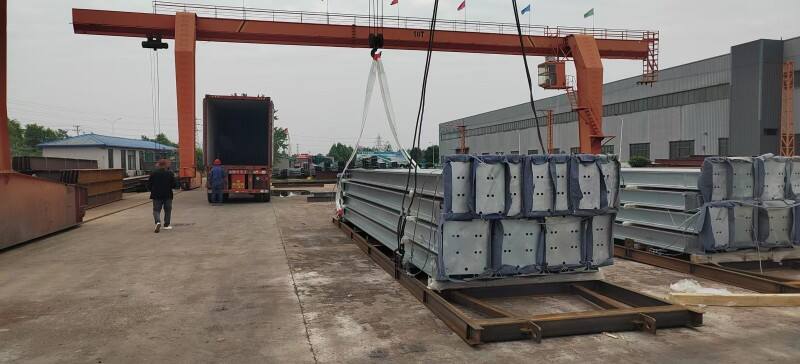
Çelik Yapı Binalarının Temel Mühendislik İlkeleri
Çelik iskeletlerde çekme mukavemeti, süneklik ve taşıma kapasitesi
Çelik iskelet sistemleri, yapıların inşasında çok iyi çalışır çünkü mükemmel çekme mukavemetine sahiptir ve kırılmadan önce oldukça fazla bükülebilir. Bu durum, bir sorun ortaya çıktığında tam çöküş gerçekleşmeden önce genellikle görsel olarak belirgin stres işaretlerinin görülmesini sağlar. Ayrıca çelik, dayanıklılık ile ağırlık arasında muhteşem bir denge sunar; bu nedenle inşaatçılar aşırı miktarda malzeme kullanmak zorunda kalmaz. Üstelik çelik, sıcaklık değişimlerine rağmen yapısal bütünlüğünü korur ve bu sayede tüm hava koşullarında güvenilirdir. Bu özellikler sayesinde çelik, depremler, şiddetli rüzgârlar ve fabrikalarda 50 kilonewton’u aşan ağırlığa sahip tavan vinçlerinden kaynaklanan ağır yükler gibi zorlu etkilere karşı özellikle etkilidir. Elbette bu yalnızca mühendislerin tasarım aşamasında kalıcı ve geçici yükler için doğru hesaplamalarını yapmaları durumunda doğru şekilde işler.
Rijitlik–kararlılık dengesi: düşük katlı ve yüksek katlı çelik yapı binaları açısından sonuçları
Binalar daha yüksek hale geldikçe, rijitlik ile stabilite arasındaki ilişki tamamen değişir. Daha küçük çelik binalar için tasarımcılar, öncelikle düşey yerçekimi yüklerine dayanmayı amaçlar. Bu nedenle, katı bağlantıları olan portal çerçeveler, depolar ve uçak hangarları gibi yapılar için yeterince iyi çalışır. Ancak gökdelenlerden bahsedildiğinde öncelikler, yanal kuvvetleri karşılamaya doğru büyük ölçüde kayar. Binalar yükseldikçe rüzgâr basıncı çok daha hızlı artar; depremler için şoku emen özel sistemlere ihtiyaç duyulur; ayrıca ağırlığın ek eğilme momentleri yarattığı bu rahatsız edici P-delta etkileri gerçek bir sorun haline gelir. Bu yüzden günümüzde çoğu yüksek bina, momente dayanıklı çerçeveler veya dış destek kirişleri (outrigger) kullanmaktadır. Geçen yıl yayımlanan bir araştırmaya göre, yüksek binaların benzer rüzgâr kuvvetlerine karşı ayakta kalabilmeleri için, daha kısa binalara kıyasla yaklaşık %40 daha fazla bağlama elemanına (bracing) ihtiyaç duymaktadır. Bu durum, malzemelerin kullanımı biçimini, mühendislerin güvenlik katsayılarını nasıl belirlediğini ve sonucunda yapı projelerinin maliyetini doğrudan etkilemektedir.
Çelik Yapı Binaları için Yapısal Sistemler Karşılaştırması
Portal çerçeveler, çaprazlı çerçeveler ve moment aktaran sistemler: kullanım durumuna ve deprem riskine göre fonksiyonel uyum
Doğru yapısal sistemi seçmek, bina güvenliği, maliyetleri düşürme ve çelik yapılara ilişkin tüm o sıkıcı yönetmeliklere uyum sağlama açısından büyük önem taşır. Portal çerçeveler, sütunlar olmadan geniş açık alanlar yaratmaları nedeniyle oldukça etkilidir; bu da onları açıklık yüksekliğinin önemli olduğu depolar veya uçak hangarları gibi mekânlar için ideal kılar. Ardından, yanal kuvvetlere karşı ek dayanıklılık sağlayan çapraz çelik elemanlara sahip bağlamalı çerçeveler gelir. Bu tür çerçeveler genellikle orta yükseklikteki ofis binalarında ve ASCE standartlarına göre orta düzey deprem riski taşıyan bölgelerde bulunan hastanelerde kullanılır. Daha yüksek binalar ile aktif fay hatlarına yakın çok sismik zeminlerde (Bölge 5 ve üzeri) yer alan kritik altyapı projelerinde ise moment aktaran çerçeveler gereklidir. Bu çerçevelerdeki özel bağlantılar, deprem sırasında ani kırılmak yerine öngörülebilir şekilde eğilme davranışı gösterir. Gerçek dünya testleri, doğru şekilde inşa edildiklerinde bu moment aktaran sistemlerin, aktif fay hatlarına yakın bölgelerde düzenli bağlamalı sistemlere ya da hiçbir sistem bulunmaması durumuna kıyasla yapısal hasarı neredeyse yarıya indirebileceğini göstermektedir.
| Sistem | İdeal Uygulamalar | Deprem Performans Derecelendirmesi |
|---|---|---|
| Portal çatı sistemleri | Depolar, uçak hangarları | Orta (Bölge 3) |
| Köşebentli çerçeveler | Ofisler, hastaneler | İyi (Bölge 3–5) |
| Moment Aktaran | Gökyüzüne Uzanan Binalar, veri merkezleri | Mükemmel (Bölge 5+) |
Endüstriyel ve altyapı sınıfı çelik yapı binalarında kafes sistemler, uzun açıklıklı kirişler ve uzay çerçeveler
Büyük endüstriyel ve altyapı projeleri, büyük açıklıkları karşılamak, ağır yükleri taşımak ve dar alanlara sığmak gibi zorlu zorunluluklarla başa çıkmak için özel çelik sistemlere ihtiyaç duyar. Örneğin çelik kafes sistemler—bu üçgen yapılar—büyük çatı alanlarında ağırlığı oldukça etkili bir şekilde dağıtır. Spor salonları ve konferans merkezleri gibi açık alanın en çok ön plana çıktığı yerlerde binaların 60 metreden fazla açıklıklı, kolonsuz alanlara sahip olmalarını sağlarlar. Gerçekten ağır makinelerle çalışan imalat tesisleri için ise uzun açıklıklı levha kirişler ve kutu kirişler işi görür. Mühendisler, her özel duruma tam olarak uyacak şekilde derinliklerini bilgisayar modellemesiyle ayarlarlar. Bunların yanı sıra, havaalanları ve fuar salonları gibi 150 metreden daha büyük kolonsuz alanlar yaratan, rijit, üç boyutlu çelik ağlardan oluşan uzay kafes sistemleri de vardır. Bu sistemler genel olarak daha az malzeme kullanarak yüksek dayanım sağlarlar. Gerçek inşaat verilerine bakıldığında, büyük havaalanı terminal binalarında uzay kafes sistemleri, geleneksel kiriş ve kiriş sistemlerine kıyasla çelik kullanımını yaklaşık %30 oranında azaltır. Bu durum yalnızca maliyet tasarrufu sağlamaz, aynı zamanda üretim sırasında daha az çelik kullanılması nedeniyle karbon ayak izinin düşürülmesiyle çevresel etkiyi de azaltır.
Maliyet, Zaman Çizelgesi ve Kalite Üzerinde Etkili Olan İnşaat Yöntemleri
Cıvatalı bağlantılar, modüler montaj, hafif kesitli çerçeve sistemi ve önceden mühendislik yapılmış çelik yapı binaları
Neyi nasıl inşa ettiğimiz, harcanan para, harcanan süre ve nihai kalite sonuçları açısından yalnızca malzeme seçimi yapmaktan çok daha fazla etki yaratır. İnşaat sahalarında yapımcılar bağlantıları kaynak yerine cıvata ile yaptıklarında, yapıları %30 ila %40 daha hızlı bir şekilde monte edebilirler. Ayrıca, bu durumda sertifikalı kaynakçıların sahada beklemesine gerek kalmaz; bu da ileride yapılan işin denetlenmesini çok daha kolay hale getirir. Modüler inşaat yöntemleriyle müteahhitler aynı anda iki şeyi yapabilir: parçaları başka bir yerde imal ederken, temelleri de tam olarak yerleşecekleri yerde dökebilirler. Bu yaklaşım, toplam proje süresini bazen neredeyse yarıya indirir ve yağmurlu havalarda ilerlemenin tamamen durmasını engeller. Yük taşımayan iç duvarlar için hafif çelik iskelet sistemi oldukça uygundur çünkü hızlı kurulabilir ve maliyetten tasarruf sağlar. Ancak bu duvarların basınç altında ne kadar eğildiğine ve daha yüksek binalarda katlar arasında ısı geçişine ilişkin sorunlara dikkat edilmelidir. Fabrikada üretilen önceden mühendislik yapılmış sistemler ise başka bir avantaj sunar; çünkü tüm bileşenler üretim tesislerinden doğrudan montaja hazır halde gelir. Bu sistemler, geleneksel yöntemlere kıyasla malzeme israfını yaklaşık %15 ila %20 oranında azaltır; ayrıca üretim sırasında uygulanan sıkı kalite kontrolleri sayesinde her parça tam olarak tasarlandığı gibi oturur. Ancak hiçbir inşaat yöntemi mükemmel değildir. Modüler yaklaşımlar, arsa kazılarına başlamadan önce dikkatli bir planlama gerektirir; buna karşılık cıvatalı bağlantılar, çalışanların sahada dayanım gereksinimlerini zedelemeksizin ayarlamalar yapmalarına olanak tanır.
Metodoloji Karşılaştırması
| Yaklaşım | Zaman Çizelgesi Etkisi | Maliyet Verimliliği | Kalite Değerlendirmesi |
|---|---|---|---|
| Bağlantılar | %30–40 daha hızlı montaj | Daha düşük yetkinlik gerektiren iş gücü | Titreşim direnci testi |
| Modüler montaj | %50 indirim | Toplu malzeme tasarrufu | Taşıma sırasında hasar önleme |
| Hafif kesitli iskelet sistemi | Hızlı kurulum | Daha Düşük Malzeme Maliyeti | Tasarımda sehim kontrolü |
| Önceden tasarlanmış sistemler | Akıcı sıralama | 15–20% atık azaltımı | Fabrika kalite standartlaştırması |
Uzun Vadeli Performansı Belirleyen Temel Tasarım Kararları
Çelik binaların uzun vadeli performansı, aslında ne kadar iyi inşa edildiklerine değil; kavramlar henüz şekillenirken yapılan kritik tasarım seçimlerine bağlıdır. Korozyona karşı koruma açısından sıcak daldırma galvanizleme, duplex kaplamalar veya özel ACR çeliklerin kullanılması gibi çeşitli seçenekler mevcuttur. Ancak seçilen yöntem, binanın kurulacağı ortam koşullarına göre ASTM A1086 veya ISO 12944 standartlarına uygun şekilde belirlenmelidir. Aksi takdirde yapısal kesitlerin çok erken kaybedilmesi riski doğar. Bağlantıların tasarımı, binanın ömrünü büyük ölçüde etkiler. Cıvatalı birleşimler, denetçilerin hasar vermeden inceleme yapmalarına olanak tanır ve genellikle maliyetli tahribatsız testler gerektiren ve gelecekteki modifikasyonlara daha az yer bırakan kaynaklı birleşimlere kıyasla parçaların değiştirilmesini çok daha kolaylaştırır. Malzemelerin ısı değişimleriyle birlikte nasıl genleşeceğiyle ilgili detayların doğru belirlenmesi, depremler için uygun açıklıkların oluşturulması ve ilerleyici çökme direnci sağlayan yapıların tasarlanması; farklı hava koşulları ve diğer zaman içinde etki eden gerilmeler karşısında yıllarca süren aşınmaya ve yıpranmaya karşı binaların bütünlüğünü korumada önemli katkılar sağlar.
Yapı malzemeleri için malzeme özellikleri, kod gereksinimlerini ve aşırı koşullar altında ne olabileceğini de dikkate almalıdır. Bu, ASTM A992 Sınıf 50 gibi minimum akma mukavemeti standartlarını, kabul edilebilir kalınlık aralıklarını ve Charpy V-oluklu testlerle ölçülen kırılma tokluğunu içerir. Mühendisler, yalnızca başlangıç maliyetlerini değil, 50 yıllık bakım maliyetlerini, yapıların ne kadar uyarlanabilir olduğunu ve nihayetinde söküldüklerinde ne olacağı gibi uzun vadeli maliyetleri göz önünde bulundurduğunda, zaman içinde daha az risk taşıyan çelik binalar tasarlamaya eğilimlidirler. Bu yapılar işletme sırasında daha iyi dayanıklılık gösterir ve ileride pahalı ve işleyişi aksatan yeniden donatım projelerine gerek kalmadan yeni fonksiyonlara uyum sağlayarak büyüyebilir.
SSS Bölümü
Neden yapıların taşıyıcı sistemlerinde çelik tercih edilir?
Çelik, yüksek çekme dayanımı, sünekliği ve çeşitli yükleri ile hava koşullarına dayanma yeteneği nedeniyle yapısal iskeletlerde tercih edilir. Bu özellikler, çeliğin depremleri, güçlü rüzgârları ve ağır yükleri karşılamada özellikle etkili olmasını sağlar.
Düşük katlı ve yüksek katlı çelik yapı binaları arasında kuvvetleri taşıma açısından farklar nelerdir?
Düşük katlı binalar, dikey yerçekimi yüklerine dayanmaya odaklanırken portal çerçeveler kullanır; buna karşılık yüksek katlı binalar, rüzgâr basıncı ve deprem gibi yanal kuvvetleri yönetmek zorundadır; bu nedenle moment aktaran çerçeveler sıklıkla tercih edilir.
Yapım metodolojileri çelik yapı inşaat projelerini nasıl etkiler?
Cıvatalı bağlantılar, modüler montaj, hafif kesitli çerçeve sistemi ve önceden mühendislik yapılmış sistemler gibi yapım metodolojileri, maliyeti, süre çizelgesini ve kaliteyi önemli ölçüde etkileyebilir. Cıvatalı bağlantılar daha hızlı montaj imkânı sağlarken, modüler yöntemler proje süresini kısaltabilir ve önceden mühendislik yapılmış sistemler malzeme israfını en aza indirir.
Çelik binaların uzun vadeli performansını etkileyen tasarım seçimleri nelerdir?
Temel tasarım seçimleri arasında galvanizleme gibi yöntemlerle korozyona karşı koruma, cıvatalı veya kaynaklı birleşimler gibi bağlantıların tasarlanması ve yapısal genleşme ile deprem direnci gibi faktörlerin göz önünde bulundurulması yer alır. Bu kararlar, binanın dayanıklılığını ve zaman içindeki uyarlama kabiliyetini etkiler.
İçindekiler
- Çelik Yapı Binalarının Temel Mühendislik İlkeleri
- Çelik Yapı Binaları için Yapısal Sistemler Karşılaştırması
- Maliyet, Zaman Çizelgesi ve Kalite Üzerinde Etkili Olan İnşaat Yöntemleri
- Uzun Vadeli Performansı Belirleyen Temel Tasarım Kararları
-
SSS Bölümü
- Neden yapıların taşıyıcı sistemlerinde çelik tercih edilir?
- Düşük katlı ve yüksek katlı çelik yapı binaları arasında kuvvetleri taşıma açısından farklar nelerdir?
- Yapım metodolojileri çelik yapı inşaat projelerini nasıl etkiler?
- Çelik binaların uzun vadeli performansını etkileyen tasarım seçimleri nelerdir?