 EN
EN

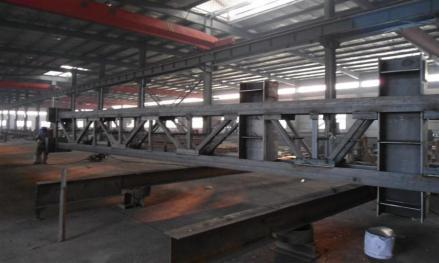
The Efficiency of Off-Site Fabrication
The traditional construction model relies heavily on on-site labor, which is prone to delays caused by weather, material shortages, and scheduling conflicts. Prefabricated Steel Construction (PSC) shifts up to 70% of the work to a controlled factory environment. Here, steel beams, columns, and trusses are cut, welded, and painted with absolute precision. This process eliminates weather-related downtime and ensures that every piece fits perfectly upon arrival at the job site.
Comparative Analysis: Traditional vs. Prefabricated Steel
| Factor | Prefabricated Steel | Traditional On-Site Construction |
|---|---|---|
| Weather Dependency | None (factory-based) | High (rain/snow stops work) |
| Labor Requirement | 30–50% less on-site labor | High manual labor requirement |
| Quality Control | 100% inspection possible | Difficult to inspect fully |
| On-Site Waste | Minimal | Significant (wood scraps, packaging) |
Modular Steel: The Future of Fast-Track Building
Modular steel buildings take prefabrication a step further. Entire building sections—complete with walls, floors, electrical wiring, and even fixtures—are built in a factory and shipped to the site. For example, a 10,000 sq. ft. steel modular school can be assembled in as little as 6 weeks, compared to 6 months for a traditional build. This rapid deployment is ideal for urgent projects such as military barracks, disaster relief shelters, and temporary hospital wings.
Cost Certainty and Reduced Risk
One of the biggest headaches in construction is cost overruns. Because prefabricated steel components are manufactured to exact specifications, the Bill of Materials (BOM) is locked in early. This reduces the risk of "scope creep" and unexpected material costs. A 2024 industry report found that prefabricated steel projects are 18% less likely to exceed their budget compared to stick-built projects.
Case Study: Rapid Assembly of the "GreenTech" Logistics Hub
A leading e-commerce giant needed a 100,000 sq. ft. logistics hub operational in under 4 months to handle holiday demand. Using pre-engineered steel buildings (PEB), the frame was erected in just 3 weeks. The roof and wall panels were pre-insulated and snapped into place like a puzzle. The project was delivered on time and 12% under budget, largely due to the elimination of on-site welding and the speed of bolt-together assembly.
Technological Integration: DfMA (Design for Manufacture and Assembly)
Modern steel construction utilizes DfMA principles. Software like Tekla and Revit creates digital twins of the building, which are fed directly into automated factory machinery. This ensures that a beam designed in New York is cut and drilled in a factory in Texas with zero tolerance for error, streamlining the assembly process to a matter of days.
FAQ
- What is the difference between prefabricated and modular steel? Prefabrication involves manufacturing components (beams, panels) off-site. Modular construction involves building entire 3D sections (rooms) off-site.
- Does prefabricated steel look "cheap"? No. Modern cladding systems allow prefabricated steel buildings to mimic brick, stone, or glass, offering the same aesthetic appeal as traditional construction.
- How much faster is prefabricated steel? Projects are typically completed 30–50% faster than traditional methods, significantly reducing financing and holding costs.