 EN
EN
Why Color-Coated Steel Is the Preferred Cladding for Steel Structure Buildings
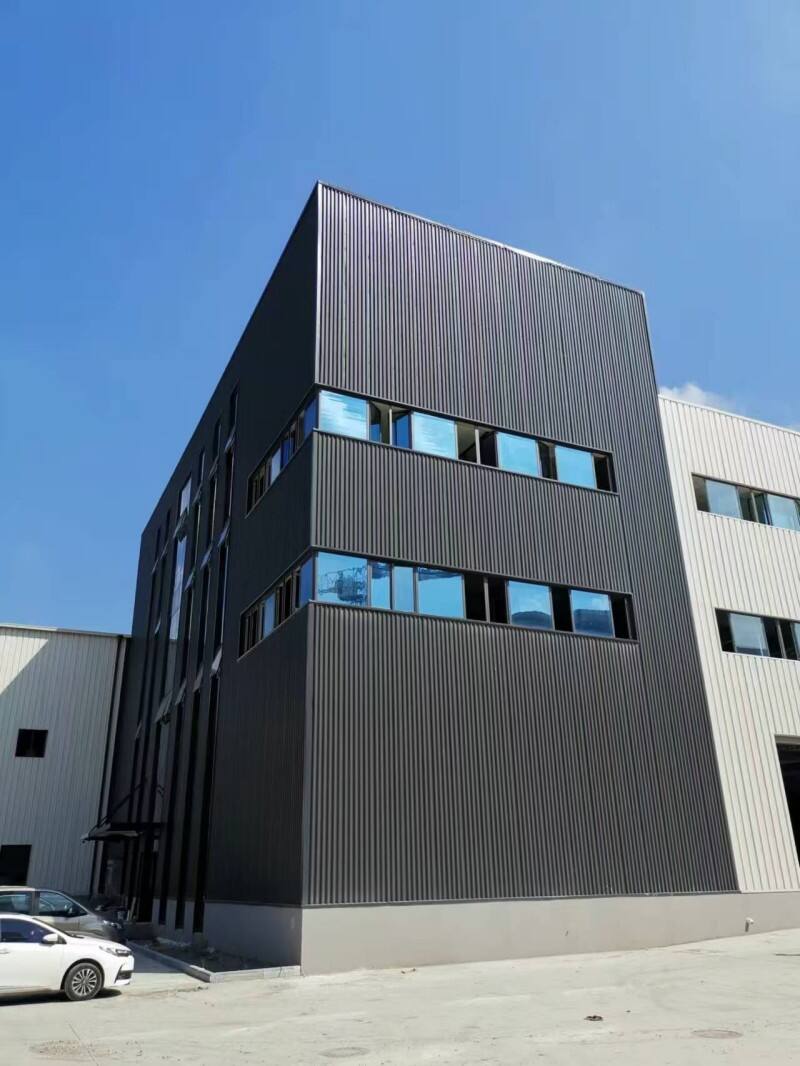
Color coated steel has become the go to material for cladding modern steel structures these days. The reason? It offers something special when it comes to lasting power, looks, and green credentials all at once. What makes this stuff stand out is the polymer layer applied on top usually either PVDF or polyester. This coating really holds up against rust, sun damage, and those nasty industrial chemicals floating around. Most builders report that buildings with this coating last about 15 to 20 years longer than ones without it. And let's face it, nobody wants to spend money fixing roofs and walls every few years. That kind of longevity means lower maintenance bills down the road, which adds up to serious savings over time.
Architects benefit from exceptional creative freedom: more than 200 standardized colors and custom finishes enable precise alignment with diverse design visions—from minimalist industrial warehouses to high-performance commercial facades.
Light colored coatings bounce back around 80 percent of sunlight, which cuts down on air conditioning needs by roughly 15 to 20 percent in hot weather areas. This helps buildings qualify for LEED certification and other green building standards too. When these coated steels reach their useful life, they can be completely recycled, something that really supports efforts toward sustainable construction practices. Looking at actual projects shows why this material stands out operationally. Installations happen about 30 percent quicker compared to regular cladding options, while overall lifetime expenses drop by nearly 40 percent. These numbers explain why so many architects and builders now consider color coated steel as the gold standard when designing high performance exteriors.
Key Performance Benefits: Corrosion Resistance, UV Stability, and Weather Durability
Steel structures need proper protection, and color coated cladding provides exactly that. The material has multiple layers that fight off rust from all sorts of environmental factors including moisture, salt air near coastlines, and various pollutants floating around in the atmosphere. This helps keep the building strong even when exposed to tough conditions over time. What makes this coating special is how it includes UV stabilizers right within the polymer base. These components stop colors from fading away and materials from becoming brittle as years pass by. When looking at long term performance both visually and functionally speaking, these panels really stand out. Plus they come with surfaces designed to handle impacts better than most alternatives. Hail storms? Thermal expansion changes throughout seasons? Debris blowing around during high winds? None of these issues cause problems like cracks forming, surface chalkiness developing, or layers peeling apart from each other.
Comparing Coating Types: PVDF, SMP, RMP, PU, and Plastisol for Steel Structure Building Facades
Coating selection directly impacts longevity, aesthetics, and value. The table below summarizes key performance attributes:
| Coating Type | UV Resistance | Typical Service Life | Best Use Case |
|---|---|---|---|
| PVDF | Excellent | 20–30 years | Coastal, high-sun, permanent façades |
| SMP | Good | 15–20 years | Cost-sensitive, mid-life-cycle projects |
| RMP | Moderate | 10–15 years | Temporary or low-priority structures |
| PU | Good | 12–18 years | Interior applications, non-exposed elements |
| Plastisol | Fair | 8–12 years | Low-traffic, abrasion-prone surfaces |
When it comes to exterior architecture, PVDF still stands out as the top choice because it holds its color really well, resists chemicals, and has shown great results even in tough conditions over time. For commercial buildings where budget matters but durability is still needed, SMP strikes a good middle ground between price and protection against weather damage. Plastisol coatings are thicker which makes them better at resisting wear and tear from friction, but they don't hold up so well under prolonged sunlight exposure compared to other options.
Architectural Integration: Facades, Curtain Walls, and Roof-Wall Cladding Systems
Color-coated steel enables seamless integration across building envelopes—including unitized curtain walls, rainscreen facades, and continuous roof-wall systems. Its dimensional stability and lightweight profile (up to 40% lighter than masonry or precast concrete) simplify attachment to structural steel frames and reduce dead load demands on primary supports.
Design flexibility extends to complex geometries: curved panels, folded forms, and integrated sunshades or light-diffusing elements are achievable without sacrificing weather-tightness or long-term performance. This adaptability supports both expressive architecture and high-performance building science—particularly in ventilated rainscreen assemblies that enhance thermal efficiency and moisture management.
Design Synergy Between Structural Steel Frames and Color-Coated Cladding
Getting things right starts when engineers work together on both the frame and the cladding system. The consistent dimensions of structural steel make it possible to achieve those really tight panel fits, usually leaving just about 3 to 5 millimeters between panels. This creates that clean look we all want for building exteriors. We also need to think about thermal expansion joints because buildings expand and contract with temperature changes from as cold as minus 30 degrees Celsius up to 80 degrees. These specially designed joints help stop problems like warped surfaces, failed seals, or bolts coming loose over time.
Good cladding design plays a big role in how buildings handle wind forces from the side, which means engineers can often get away with using less steel overall. Studies show around 15 to 20 percent savings in steel tonnage when proper cladding systems are implemented according to Building Envelope Council research from last year. Prefab connection kits make things even easier on site workers who spend less time putting everything together compared to traditional methods, sometimes cutting down labor hours by nearly a third. What we end up with is a building envelope that brings together looks, structural integrity, and green credentials all at once. This approach cuts down on material waste during construction, speeds up project timelines, and ultimately saves money across the whole lifespan of the building.
Real-World Application: Aesthetic and Functional Transformation of a Logistics Hub
A logistics hub in Guangdong, China, demonstrates the transformative impact of color-coated steel on steel structure building exteriors. Exposed to coastal salinity, monsoon rains, and intense UV exposure, the facility replaced aging concrete panels with PVDF-coated steel cladding.
The upgrade brought a fresh look right away vibrant blues and grays that just don't fade helped redefine what this building looks like from the outside while also making things work better inside. We saw some pretty impressive results too maintenance costs dropped by half over five years, no more dealing with rust issues, and interior temps stayed cooler by about 8 degrees Celsius. That actually made a big difference for the heating and cooling systems cutting their energy consumption down by 30 percent overall. The way the roof meets the walls was designed specifically to handle water runoff, so even during those intense summer monsoons there were absolutely no leaks anywhere. Looking at this project shows why investing in specially formulated colored cladding makes sense it not only gives buildings a stronger visual impact but keeps them running reliably day after day, especially when we need materials that can stand up to tough weather conditions and still perform well.
FAQ
What is color-coated steel?
Color-coated steel is a robust material used for cladding steel structures, featuring a polymer coating like PVDF or polyester that enhances its resistance to rust, UV rays, and chemicals.
Why is color-coated steel preferred for building exteriors?
It's preferred due to its longevity, aesthetic flexibility with over 200 colors, and eco-friendliness as it reduces maintenance costs, is recyclable, and meets green building standards.
How does color-coated steel contribute to energy efficiency?
Light-colored coatings reflect up to 80% of sunlight, cutting down air conditioning needs by up to 20%, thus aiding in greater energy efficiency.
What are the key benefits of using color-coated steel for buildings?
It offers corrosion resistance, UV stability, weather durability, quick installation, and reduced lifetime expenses.
What are some real-world applications of color-coated steel?
A logistics hub in Guangdong used it to withstand coastal and UV exposure while cutting maintenance costs and enhancing energy efficiency.
Table of Contents
- Why Color-Coated Steel Is the Preferred Cladding for Steel Structure Buildings
- Key Performance Benefits: Corrosion Resistance, UV Stability, and Weather Durability
- Architectural Integration: Facades, Curtain Walls, and Roof-Wall Cladding Systems
- Real-World Application: Aesthetic and Functional Transformation of a Logistics Hub
- FAQ