 EN
EN

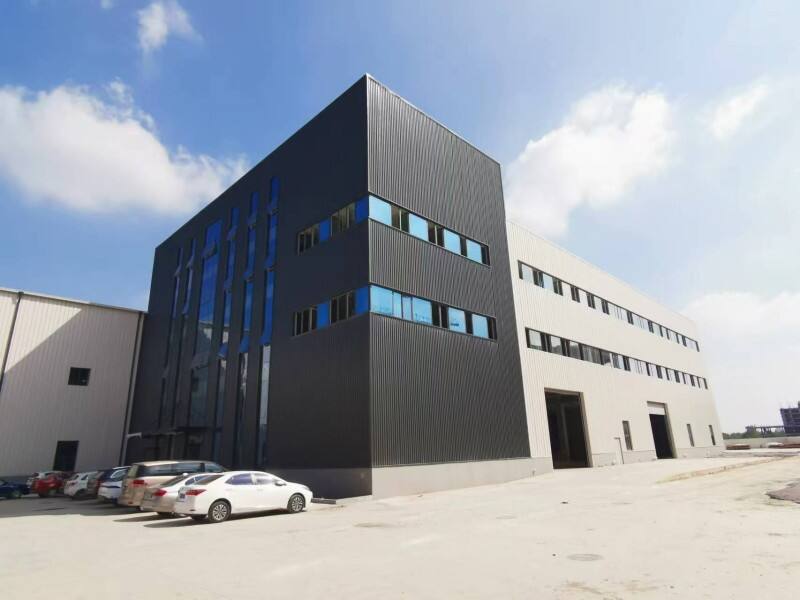
Speed Advantage: How Steel Structure Buildings Cut Construction Time by 30–50%
Off-Site Fabrication vs. On-Site Sequential Casting
Steel buildings depend heavily on what happens away from the actual construction site. Components get cut, drilled, and put together in factories where conditions are much better controlled than out in the field. What this means is that work can happen at the same time in different places. Foundations get poured and start curing while the steel parts are being made elsewhere. Concrete buildings tell a different story though. They follow strict steps one after another formwork goes up, then comes the rebar, followed by pouring and waiting for everything to harden. Each floor has to sit there for about a week or two before anything else can happen above it sometimes taking as long as four weeks to reach full strength. With steel structures, those bolts just snap into place without needing any waiting period. Once assembled, they can actually hold weight right away. Most industry reports point to around 30 to 50 percent shorter timelines when using this approach instead of traditional concrete methods. Labor requirements also drop significantly, somewhere around 40 percent less manpower needed overall.
Case Evidence: 12-Story Seattle Tower — 14 Weeks Steel Erection vs. 26 Weeks Concrete
Take the new 12-story office building going up downtown Seattle as proof why steel frames save time on construction schedules. The skeleton of this commercial tower rose from the ground in only 14 weeks thanks to timely deliveries of factory-made steel columns and beams right when they were needed. If they had used concrete instead, the whole project probably would have dragged on for around 26 weeks total, which is about 12 extra weeks because concrete work has to happen one floor at a time without overlap. Weather wasn't an issue either since crews could keep working rain or shine. Cranes moved those pre-built steel parts into place much faster than pouring concrete sections ever could. Plus, there were significantly fewer workers needed onsite during construction - roughly 60% less labor compared to traditional methods. As a result, tenants got their space ready four months earlier than originally planned, showing just how predictable timelines become with steel structures versus other materials that require more backup plans for delays.
Key Cycle-Determining Factors Unique to Each System
Concrete’s Curing Dependency: Why the 28-Day Strength Milestone Constrains Scheduling
The timing for concrete work depends mostly on chemical reactions happening inside the mix rather than just how many trucks we can get onsite. For structures to progress properly, they need to hit certain strength milestones first. Most projects aim for around 70 percent strength within seven to fourteen days, but it takes all the way to twenty eight days before concrete reaches its full potential. These requirements create a chain reaction effect where nothing really moves forward until previous steps have cured properly. Foundations stay exposed until footings harden enough, and no one can start building upper levels until columns are strong enough to support them. When temperatures drop below forty degrees Fahrenheit or when it rains, pouring stops completely. Weather issues throw off schedules constantly. Because of this uncertainty, most construction managers build in extra time buffers between 15 and 25 percent into their timelines. Steel buildings don't face these same constraints since everything goes together much faster regardless of what Mother Nature throws at us.
Steel Structure Building Resilience: Bolted Connections, Crane Efficiency, and All-Weather Assembly
Steel really cuts down on those annoying material delays that plague construction sites. When prefabricated steel parts show up at the site, they come ready to go with all the holes already drilled and connections properly certified. This means crews can bolt things together right away instead of waiting around for adjustments. The modular approach lets different trades work at the same time too. Often, workers start putting up facades while others are still framing upper floors. Look at tower cranes versus concrete pumps - steel sites typically handle three to five times more weight per day. Full bay sections get erected in just one day as standard procedure. And here's something important for northern climates: steel work keeps moving even when temps drop below zero degrees Celsius (-4 Fahrenheit) or it starts drizzling lightly. Concrete operations would basically stop under these conditions. All these factors combine to create construction schedules that run around the clock, something traditional cast-in-place methods simply can't match.
Phase-Level Timeline Distribution: Design, Fabrication, Erection, and Integration
Understanding time allocation across phases reveals the structural reason behind steel’s speed advantage. Unlike concrete construction—where over 60% of total project time occurs on-site—steel redistributes effort intelligently across the value chain:
Steel Structure Building Workflow Allocation: 20% Design, 35% Off-Site Fabrication, 30% Erection, 15% Commissioning
- Design (20%): Digital twin modeling and BIM coordination resolve clashes early—reducing RFIs and field rework.
- Fabrication (35%): Precision manufacturing occurs concurrently with site prep and foundation work—no idle time.
- Erection (30%): Bolted assembly enables rapid vertical progress—commonly 3–5 stories per week.
- Commissioning (15%): Standardized interfaces and modular MEP integration accelerate system testing and handover.
This balanced distribution avoids the bottlenecks endemic to concrete’s on-site concentration—delivering the documented 30–50% cycle time reduction while lowering financing costs and accelerating revenue generation.
Strategic Impact: Accelerated Timelines Reduce Risk, Financing Costs, and Time-to-ROI
Steel structures built quickly offer benefits that go well beyond just saving time. When projects take less time to complete, they naturally face fewer problems from common risks such as bad weather stopping work, unpredictable labor markets, and those frustrating supply chain holdups we've all dealt with lately. This can cut down contingency budgets by around 40% in many cases. From a money standpoint, shorter construction periods mean companies pay less interest while waiting for completion. Some studies looking at modular building methods show big savings too about $120k per month saved on interest for major developments. The real game changer though is getting into operation sooner. Getting tenants in earlier means starting to generate income months ahead of schedule. For facilities like factories or distribution centers where every day closed costs tens of thousands in lost business opportunities, these time savings aren't just nice to have they completely change how businesses plan their investments and operations.
FAQ Section
Why do steel buildings cut construction time by 30–50% compared to concrete?
Steel buildings reduce construction time due to their reliance on off-site fabrication, eliminating lengthy curing periods required for concrete, and allowing concurrent on-site activities.
What was the construction time difference in the Seattle Tower case study?
The 12-story Seattle Tower was constructed in 14 weeks using steel, compared to an estimated 26 weeks if concrete had been used, saving 12 weeks.
How do steel structures handle weather conditions better than concrete?
Steel structures can continue construction in adverse weather as bolts snap into place and cranes can operate efficiently, whereas concrete pours often pause in poor conditions.
What is the typical workflow allocation for steel structures?
Steel construction typically involves 20% in design, 35% in off-site fabrication, 30% in erection, and 15% in commissioning.
Table of Contents
- Speed Advantage: How Steel Structure Buildings Cut Construction Time by 30–50%
- Key Cycle-Determining Factors Unique to Each System
- Phase-Level Timeline Distribution: Design, Fabrication, Erection, and Integration
- Strategic Impact: Accelerated Timelines Reduce Risk, Financing Costs, and Time-to-ROI
- FAQ Section