 EN
EN

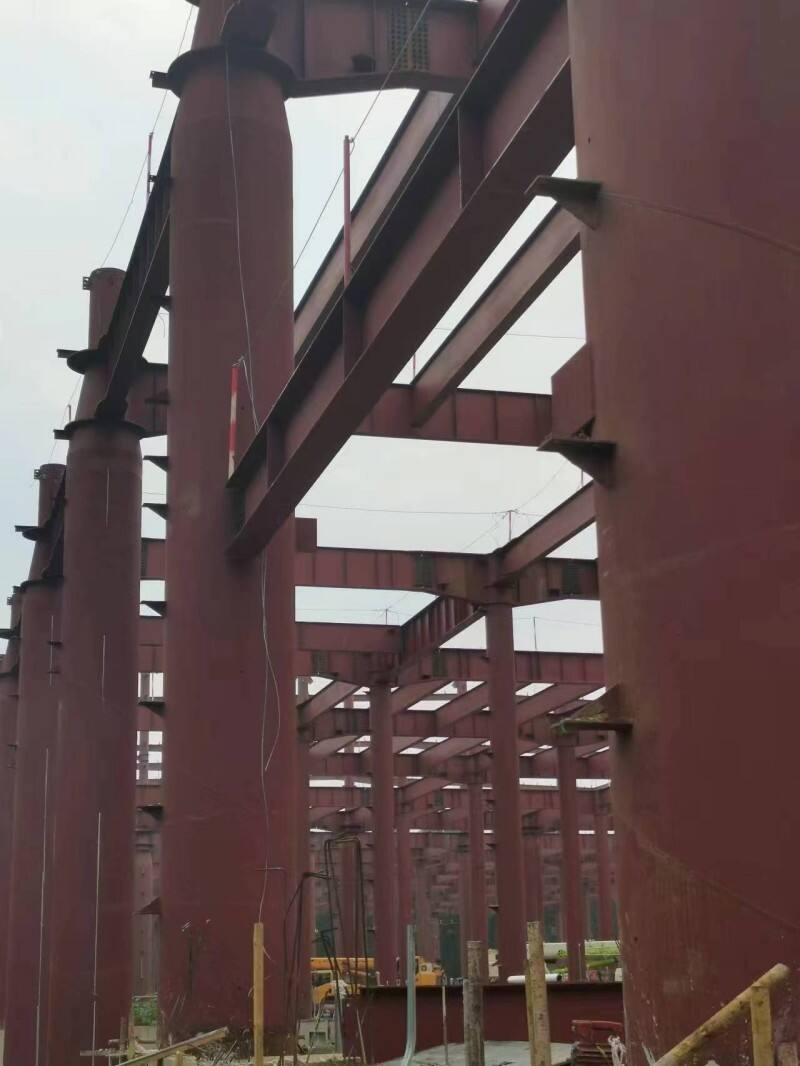
Superior Structural Performance: Strength-to-Weight Ratio and Span Efficiency
Mechanical advantage: How steel structure enables optimal load distribution with minimal mass
The amazing strength compared to its weight makes steel an excellent choice for building bridges that can carry heavy loads without needing tons of material. What makes this possible? Well, steel has a pretty consistent molecular structure throughout, so when forces act on it, the stress spreads out evenly across all those joints and beams rather than concentrating in one spot. Compared to concrete, steel actually needs about 30 to 40 percent less volume to handle the same weight according to ASCE data from 2023. That means lighter foundations and lower overall construction expenses too. Another big plus for steel is its ability to bend without breaking suddenly when faced with really strong or changing forces. Instead of snapping completely, it will slowly deform while still holding together. This characteristic matters a lot in earthquake-prone areas and busy roadways where structures need to absorb shock and vibration safely over time.
Span adaptability: Supporting short beam bridges to record-breaking cable-stayed and suspension spans
The combination of steel's tensile strength and how easily it can be manufactured makes possible bridge spans that no other building material can match. For regular beam bridges, rolled steel girders work great for distances up to around 30 meters. When we need even longer spans, suspension bridges and cable-stayed systems come into play. Take the world's longest bridges as examples - many of them stretch over 2 kilometers thanks to their strong steel cables. These cables transfer weight down to the supporting towers without creating much sideways force. The way tension and compression work together lets engineers build across challenging terrain like deep mountain valleys or broad river estuaries without needing extra support columns in the middle. Newer steel alloys such as ASTM A913 Grade 65 have taken things even further. Bridges built with these materials can reach about 70% more length compared to what was possible before 2010, all while requiring fewer materials for each meter of bridge constructed.
Resilience and Durability: Withstanding Environmental, Corrosive, and Seismic Challenges
Corrosion control: Galvanization, weathering steel (ASTM A588), and lifecycle cost evidence
Modern steel bridges resist corrosion thanks to time tested protection methods beyond simple coatings. Hot dip galvanization creates a protective zinc layer that has stood the test of time in real world conditions. Weathering steel (ASTM A588) works differently by developing a stable rust layer that actually protects the metal underneath once it starts forming. Many bridges built with this material last well past 50 years in moderate climates, needing nothing more than occasional checks and very little hands on maintenance. The numbers back this up too. Studies show that using these corrosion resistant options saves around 30 to 40 percent compared to regular coated steel or concrete structures. Most of these savings come from not having to inspect as often, skipping repaint jobs entirely, and putting off expensive repairs for much longer periods.
Seismic performance: Ductile behavior of steel structure for energy dissipation and post-event integrity
The ductility of steel goes beyond just being a property of the material itself; it actually enables certain designs that are crucial for infrastructure where safety matters most. When earthquakes hit, steel frames along with their connections manage to take in and release energy through what's called controlled yielding, kind of like having built in shock absorbers for buildings. The hysteresis loops found in properly detailed moment resisting frames can actually get rid of around 70 percent of the energy coming from those shakes, which helps keep everything stable overall even if parts start to give way locally. Looking at real world situations after quakes, places like Northridge and Christchurch consistently demonstrate how steel bridges tend to stay working or at least fixable, whereas similar concrete structures often end up damaged beyond repair or completely collapse. Because we know how predictable this behavior is, engineers can fine tune details about connections and size components so they hit specific performance targets, making sure important escape routes stay open following big disasters.
Design Agility and Construction Acceleration Enabled by Steel Structure
Architectural freedom: Enabling sculptural forms, urban integration, and complex geometries
Steel opens up new possibilities for architecture while still maintaining solid structural principles. The material's impressive strength compared to its weight, along with how precisely it can be fabricated, makes it possible to build those grand arches, bold cantilevers, and flowing shapes that just wouldn't work if we tried using concrete or brick instead. These aren't just pretty designs either. Steel actually works better in cities where space is limited and old buildings need to connect with new ones. When sites are cramped and construction happens in stages, having materials that fit exactly and assemble quickly becomes essential. That's why so many modern structures made from steel stand out both for what they do and where they stand – strong enough to last, adaptable to their surroundings, and eye-catching in appearance.
Time-to-completion advantage: Prefabrication, modular assembly, and 30–50% faster erection vs. concrete
The off site fabrication approach used with steel really changes how projects get delivered. At factories, components undergo cutting, drilling, welding, and assembly down to very tight specifications. These controlled environments eliminate problems from bad weather, cut down on site labor needs by around 40 percent, and reduce waste materials by approximately 20%. When it comes time to erect structures in the field, everything follows a much more precise sequence. Cranes simply lift complete modules into place, bolts connect parts instead of pouring wet concrete, and workers check alignment before making things permanent. According to industry standards, steel bridges take between 30% and 50% less time to build compared to traditional concrete methods. This time savings means money stays invested for shorter periods, communities face fewer disruptions during construction, and taxpayers see returns happen faster than with other approaches.
Lifecycle Sustainability: Recyclability, Carbon Reduction, and Long-Term Value
Steel structures offer real sustainability benefits throughout their entire life cycle, not just small improvements here and there but actual systemic advantages based on how the material works and fits into circular economy thinking. Around 90% of structural steel gets recovered and put back into use when buildings reach the end of their useful lives, sometimes even better than that for materials from demolition sites where recovery rates can hit 98%. The environmental impact is significant too. Recycling steel cuts down on embodied carbon by roughly half to three quarters compared to making new steel from scratch. Plus, newer methods like electric arc furnace manufacturing have slashed energy consumption by about 30% according to industry reports from last year. Looking at the big picture, steel delivers lasting value beyond just initial savings. Buildings designed for 100 years mean fewer replacements over time. Special coatings keep maintenance costs low and delay expensive repairs. And because we know exactly how durable steel will be, it makes financial planning easier for projects that need to last generations. For organizations thinking ahead, choosing steel goes way beyond just picking construction materials. It represents a serious investment in creating resilient infrastructure that stands the test of time while being responsible to both current and future needs.
Frequently Asked Questions
What makes steel a preferred choice for building bridges?
Steel's strength-to-weight ratio and its consistent molecular structure allow it to distribute load efficiently with minimal material usage, making it ideal for bridges that must carry heavy loads.
How does steel contribute to architectural designs?
Steel's strength, lightweight nature, and precision fabrication allow architects to create intricate and bold designs that are not feasible with other materials.
Why is steel considered sustainable?
Steel is highly recyclable, with around 90% being reused. Recycling significantly reduces its carbon footprint and energy consumption over traditional steel production methods.
How does steel manage to be earthquake-resistant?
Steel's ductility allows it to dissipate energy during seismic events, making structures more resilient and less likely to suffer catastrophic failure.
What are the advantages of using steel in construction time?
Steel construction involves prefabricated components that can be quickly assembled on-site, reducing construction time by 30–50% compared to concrete structures.
Table of Contents
- Superior Structural Performance: Strength-to-Weight Ratio and Span Efficiency
- Resilience and Durability: Withstanding Environmental, Corrosive, and Seismic Challenges
- Design Agility and Construction Acceleration Enabled by Steel Structure
- Lifecycle Sustainability: Recyclability, Carbon Reduction, and Long-Term Value
- Frequently Asked Questions