 EN
EN

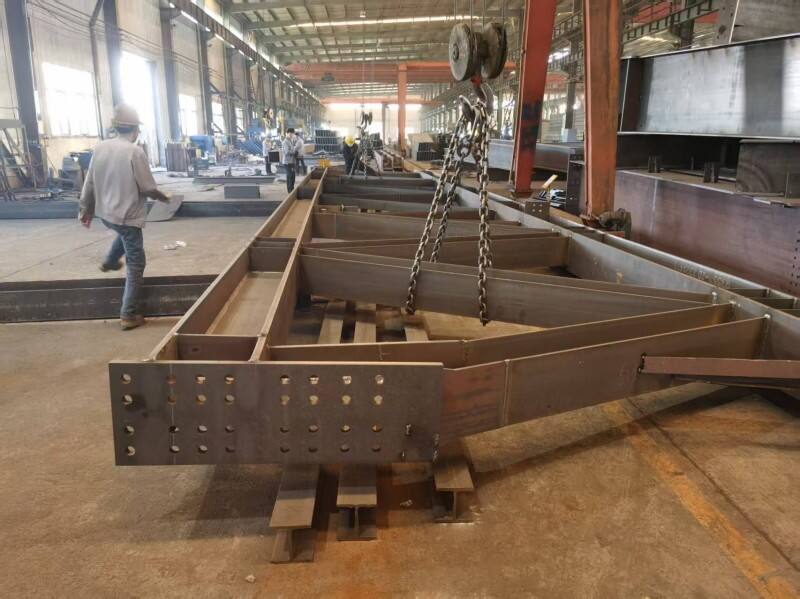
Advanced Manufacturing Technologies for High-Performance Steel Structures
AI-Driven Process Optimization in Hot Rolling and Continuous Casting
Steel manufacturing has seen major changes thanks to artificial intelligence applications in hot rolling and continuous casting operations. Smart machine learning models now look at heat distribution patterns and how materials move through the system, spotting potential quality issues long before they become actual problems. These systems have cut down on defects by around 30% for structural parts, and can maintain tight dimensional control within about plus or minus 0.15 mm, which matters a lot when building structures that need to support weight. The AI adjusts pressure settings during rolling and controls cooling speeds based on sensor data about chemical makeup, helping create consistent grain structures throughout beams and columns. Maintenance teams also benefit because these smart systems can spot signs of roller wear several weeks ahead of time, so unexpected breakdowns happen much less often. According to research published in the International Journal of Advanced Manufacturing last year, factories using this technology typically see energy savings between 18% and 22% compared to older methods.
Hydrogen-Based Steel Production: Enabling Low-Carbon Steel Structures
Hydrogen based direct reduction or H DR technology works by replacing traditional coking coal with green hydrogen as the main reducing agent, which cuts down carbon dioxide emissions by about 95 percent compared to conventional blast furnaces. The process produces iron of much higher purity since there are far fewer impurities that can weaken the structure, making it possible to create sustainable steel structures while still maintaining good performance characteristics. These modern H DR facilities operate around 700 degrees Celsius, which is actually 300 degrees cooler than what's needed for traditional methods. Even at these lower temperatures, they manage to achieve tensile strengths above 550 MPa and offer better protection against corrosion, so the materials last longer when exposed to harsh conditions. Looking ahead, industry reports from IEA suggest that the cost of producing green hydrogen could drop by as much as 60% by 2030, making H DR a realistic option for big infrastructure projects where environmentally certified materials are becoming increasingly important requirements.
Smart Quality Assurance and Digital Twin Integration in Steel Structure Fabrication
Predictive Quality Control Using Computer Vision for Structural Steel Components
CV systems spot tiny defects during manufacturing processes. These include things like hairline cracks, problems with welds, and when parts don't measure up correctly. The technology works by comparing live thermal images and surface checks to detailed 3D building information models. With this approach, computer vision can actually predict potential failures about 92 percent of the time. Finding issues early saves money because fixing them later costs a fortune. For instance, missed flaws in structural beams typically run around $740k each for repairs according to research from Ponemon Institute back in 2023. What makes these systems really valuable is their direct connection to CNC machines. They adjust measurements automatically while materials are being cut or welded, which means no need for workers to constantly check and correct everything manually throughout production.
Digital Twins for Real-Time Simulation of Structural Behavior and Fabrication Performance
Digital twin technology builds virtual copies of actual steel structures, allowing engineers to see how stress spreads through materials, check earthquake resistance, and predict what happens during manufacturing even before any metal hits the factory floor. When fabricators plug live data from IoT sensors into their physics models, they can experiment with different designs and see if moving girders around makes sense when dealing with strong winds. What's really impressive is that this kind of testing cuts down on expensive physical prototypes by almost half (around 47%) and stops those frustrating assembly conflicts where parts just won't fit together. Construction teams then tweak their welding order or pick better quality materials after looking at how well things hold up over time in simulations. This approach means fewer problems showing up at construction sites and buildings that last longer without needing constant repairs.
IoT-Enabled Structural Health Monitoring for Long-Term Steel Structure Integrity
Embedded Sensor Networks for Fatigue, Corrosion, and Load-Response Monitoring in Steel Structures
Embedded IoT sensor networks provide continuous, real-time monitoring of fatigue, corrosion, and load response in operational steel structures. Miniature sensors integrated directly into components track:
- Fatigue: Strain gauges detect microscopic crack initiation under cyclic loading
- Corrosion: Electrochemical sensors monitor pH shifts and metal loss rates
- Load response: Accelerometers and displacement sensors map stress distribution
This holistic approach enables predictive maintenanceâidentifying anomalies up to six months before visible failure. Corrosion sensors resolve protective coating breakdown at 0.1 mm resolution; fatigue sensors model stress accumulation across welded joints. The resulting data stream powers edge-computed insights that allow engineers to:
- Model remaining service life with 92% accuracy
- Optimize inspection schedulesâreducing downtime by 40%
- Extend structure lifespan by 15â20 years through targeted interventions
By converting raw sensor data into actionable intelligence, these networks shift structural preservation from reactive repair to proactive stewardship.
Robotics and Adaptive Automation in Steel Structure Assembly
Precision Robotic Welding for Complex Steel Structure Joints
Robotic welding systems bring automation to complex joint fabrication tasks, hitting sub millimeter accuracy when connecting beams to columns and other vital points. These machines come packed with smart features like pathfinding algorithms and computer vision tech that lets them tweak settings on the fly as they work through materials that aren't perfectly uniform or geometries that vary slightly. The results speak for themselves really - defect rates plummet by around 90 percent compared to what humans can manage manually, and production times get faster too, typically cutting down cycle times between 30 and 50%. Safety at work sites improves significantly because workers no longer need to be exposed to harmful welding fumes or dangerously hot areas during operations. This means structures maintain their strength and quality even under tough conditions where consistency matters most.
FAQ
What is AI-driven process optimization in steel manufacturing?
AI-driven process optimization refers to the use of artificial intelligence and machine learning models to analyze production processes, identify potential quality issues, and make real-time adjustments to enhance efficiency and reduce defects in steel manufacturing.
How does hydrogen-based steel production benefit the environment?
Hydrogen-based steel production reduces carbon dioxide emissions by about 95% compared to traditional methods. By using green hydrogen as the reducing agent, it creates steel with fewer impurities and higher purity levels, leading to more sustainable steel structures.
What are digital twins and how do they help in steel structure fabrication?
Digital twins are virtual replicas of physical steel structures, allowing engineers to simulate and analyze structural behavior, stress distribution, and performance before actual production. This technology helps reduce expensive physical prototypes and minimizes construction site issues.
What role do IoT sensors play in structural health monitoring?
IoT sensors embedded in steel structures continuously monitor fatigue, corrosion, and load responses. They provide real-time data that enable predictive maintenance, optimize inspection schedules, and extend the lifespan of the structures.
How does robotic welding improve steel structure assembly?
Robotic welding automates complex joint fabrication tasks with high precision. It reduces defect rates by around 90%, speeds up production times, and enhances safety at work sites by minimizing exposure to harmful conditions.
Table of Contents
- Advanced Manufacturing Technologies for High-Performance Steel Structures
- Smart Quality Assurance and Digital Twin Integration in Steel Structure Fabrication
- IoT-Enabled Structural Health Monitoring for Long-Term Steel Structure Integrity
- Robotics and Adaptive Automation in Steel Structure Assembly
-
FAQ
- What is AI-driven process optimization in steel manufacturing?
- How does hydrogen-based steel production benefit the environment?
- What are digital twins and how do they help in steel structure fabrication?
- What role do IoT sensors play in structural health monitoring?
- How does robotic welding improve steel structure assembly?