 EN
EN

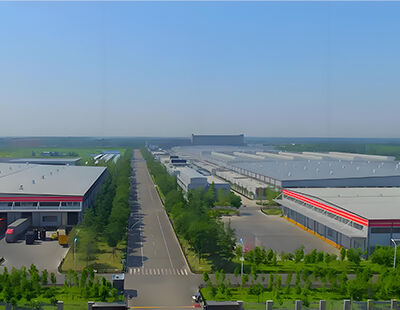
Steel Structure Recyclability and Lifecycle Carbon Reduction
Cradle-to-Cradle Recyclability and Circular Economy Integration
Steel construction really fits into the circular economy model because steel can be recycled over and over again without any degradation in quality. When buildings come down, around 90 percent of the steel gets sent back into manufacturing processes, which makes steel the top recycled material globally according to industry reports. The environmental benefits are substantial too. For every ton of steel we recycle instead of producing new, about 1.5 tons of carbon dioxide emissions get avoided compared to traditional methods. Many modern steel mills now run their electric arc furnaces on almost entirely recycled materials, sometimes reaching 95% recycled content rates. What this means is that old structural steel doesn't just disappear after demolition but becomes valuable raw material once more. Green building certifications have started acknowledging this characteristic specifically for how well it supports material reuse goals in sustainable construction projects.
Long-Service Life and Reuse Potential Lowering Embodied Carbon Impact
Steel structures last way longer than most materials out there, often standing strong for over 50 to even 100 years. What's really cool is how these steel parts get reused time after time in different buildings throughout their lifespan. When builders reuse old steel instead of making new stuff, they cut down on what's called "embodied carbon" by about 95%. That means fewer greenhouse gases from production processes. Architects have come up with some smart design tricks too. Things like bolted connections and standard modular systems make it easier to take buildings apart later when needed. Studies indicate these kinds of approaches can slash overall emissions during a building's entire life cycle by somewhere between 30% and 50%, which beats traditional construction methods hands down. With all this going for it – lasting power, reuse potential, and flexible designs – steel stands out as one of the best choices for creating infrastructure that works well now while keeping carbon footprints low for the future.
Construction Waste Minimization and Resource Conservation via Steel Structure
Precision Prefabrication Reducing On-Site Waste and Landfill Burden
Steel parts get made at factories away from construction sites thanks to those CAD systems and really accurate fabrication methods these days. This approach cuts down on ordering too much stuff, fixes mistakes before they happen, and basically removes all those annoying adjustments workers have to make on site during regular building projects. When we look at actual numbers, this controlled manufacturing slashes waste at construction sites by around 70 percent when compared to pouring concrete right there on location. That means tons less garbage ending up in landfills every year. These pre-made steel pieces come already measured correctly so they just slot together like puzzle pieces. Less packaging needed, fewer damaged materials, and people don't spend hours moving things around unnecessarily. What does this mean? Smoother transportation of materials, tidier worksites, and our planet takes a real hit reduction from all that waste being hauled away and dumped somewhere.
Reduced Reliance on Timber and Other Finite Natural Resources
Switching from wood-heavy framing to steel construction actually helps protect forests, especially those areas packed with diverse wildlife that face constant threats from illegal cutting operations. For every ton of steel used in buildings, we're basically saving around 1.5 tons worth of trees from being chopped down. What makes this even better? Most modern structural steel contains well over 90% recycled material. No need for fresh timber, iron ore mining, or limestone extraction either when maintaining these buildings through their entire lifespan. Wood remains limited by nature's growth cycles, and concrete production eats up massive amounts of energy. Steel stands apart because it can be reused again and again without losing strength properties. This circular approach puts far less strain on Earth's raw material stocks while still providing the same solid support needed for decades of building use.
Energy Efficiency and Green Certification Enablement with Steel Structure
Thermal Performance Optimization Through Integrated Insulation and Design Flexibility
The dimensional stability and regular shape of steel makes it possible to integrate high performance insulation systems effectively, which helps reduce thermal bridging problems that can cause around 30 percent of all heat loss in buildings. Steel also gives architects more freedom to work with things like how buildings face the sun, how tight the building envelope is, and where to place continuous insulation throughout the structure. These advanced composite panels bring together strength for supporting loads along with built in thermal protection, so indoor temperatures stay more stable while air conditioning and heating systems don't have to work as hard. Actual case studies show that buildings constructed this way typically save between 40 to 60 percent on operating costs compared to standard construction methods when all these advantages are properly utilized.
LEED and BREEAM Points Acceleration: Recycled Content, Innovation, and Construction Efficiency
Steel structures offer real benefits when it comes to getting green building certifications. The fact that most structural steel contains over 90% recycled material makes a big difference in earning points under LEED's Materials Resource credits as well as BREEAM's Materials category scores. Prefab steel components can actually boost LEED Innovation credits too, especially around reducing construction waste and speeding things up on site. Many projects pick up between 2 to 5 extra points just from this aspect alone. Steel framed buildings typically cut down on site waste by somewhere around 70 percent while also shortening construction timelines by roughly 30 to maybe even 50 percent. This performance shows up nicely in BREEAM evaluations for both Waste management and overall project management practices. When all these factors are considered together, buildings with steel frames tend to have about half the carbon footprint over their entire lifespan compared to other materials. Lifecycle assessments back this up according to those industry standard reports we all know and love like EN 15804 and ISO 21930.
*BREEAM: Building Research Establishment Environmental Assessment Method
*LEED: Leadership in Energy and Environmental Design
FAQs
What is cradle-to-cradle recyclability in steel construction?
Cradle-to-cradle recyclability refers to the ability of steel to be recycled repeatedly without losing its quality, fitting seamlessly into the circular economy model.
How does using steel impact the embodied carbon of a building project?
Reusing old steel significantly reduces embodied carbon by about 95%, lowering the greenhouse gases emitted during production processes.
Why is steel considered more environmentally friendly compared to timber construction?
Steel is highly recyclable, reduces reliance on finite resources like timber, and can be reused multiple times without degradation, protecting forests and lowering energy consumption.
How do steel structures contribute to energy efficiency in buildings?
The stability of steel allows for effective integration of insulation, minimizing thermal bridging and lowering energy costs for heating and cooling.
What are the benefits of using steel in relation to green building certifications?
Steel structures offer advantages in earning LEED and BREEAM points through high recycled content, construction efficiency, and innovation in reducing waste.