 EN
EN

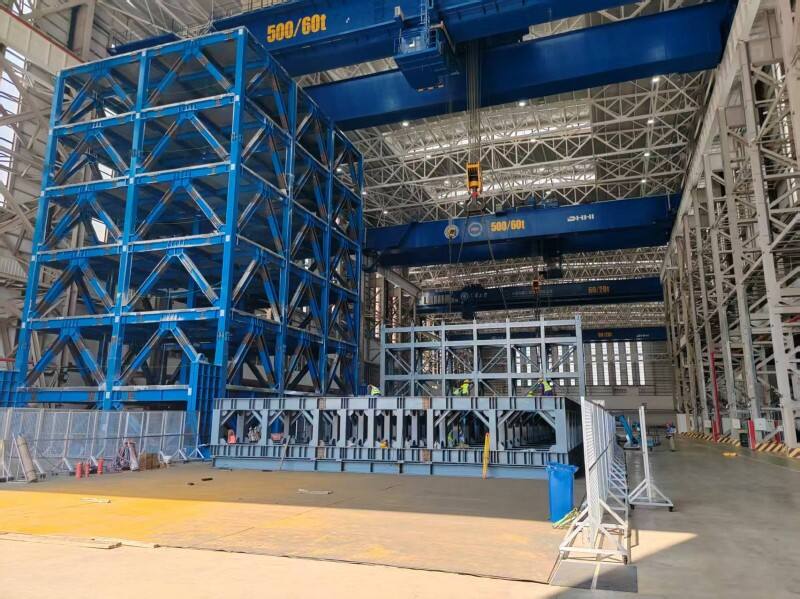
Upfront Investment: Steel Structure vs. Concrete and Wood
Material procurement, fabrication, and delivery costs
While steel does come with higher upfront material costs compared to wood, it still holds its own against concrete when we look at the bigger picture of fabrication efficiency. The thing is, pre-engineered steel parts get made right in factories where everything's controlled, so they fit together exactly how they should. This means way less wasted material – somewhere around a quarter less actually – and no more dealing with those frustrating cutting mistakes that happen on construction sites. When building big spaces like warehouses or distribution centers, these standard sections make buying stuff much easier and cheaper to transport too. Contractors report saving close to 30% on shipping costs versus hauling massive concrete loads. And don't forget about just-in-time delivery systems which cut down on storage headaches and all those extra costs that come with managing materials on site for months at a time.
Labor requirements and on-site assembly efficiency
According to data from the American Institute of Steel Construction, prefabricated steel systems cut down on labor requirements by around 40% compared to traditional concrete methods. When it comes to bolted connections, they get rid of all those time consuming steps like setting up forms, pouring concrete, and waiting for everything to cure properly which can take weeks off the project timeline. Just think about how fast things go when a single crane operator can move these pre welded frames into place within hours. Compare that to concrete framing that takes days because workers have to stage everything manually. Wood might seem quicker at first glance, but don't forget about the need for expert carpenters handling complicated joints plus the whole mess of weather causing delays again and again something that just doesn't happen with prefabricated steel.
Foundation design implications and site preparation savings
The strength to weight ratio of steel is pretty impressive actually, which is why buildings made from it can be as much as 60% lighter compared to similar structures built with concrete. Because these buildings aren't so heavy, we can get away with much shallower foundations. Sometimes they use what are called frost protected shallow footings. According to some studies published in the ASCE Journal of Structural Engineering, this approach cuts down on excavation work and saves around 45% of the rebar needed for construction projects. When dealing with tricky ground conditions or places prone to flooding, the way steel distributes weight evenly across the foundation really helps reduce those expensive soil stabilization costs. Plus, when everything is ready to go faster because site preparation takes less time, equipment rentals become cheaper and grading gets done quicker too. All these factors mean crews can start putting together the actual structure earlier than they would with traditional materials.
Long-Term Value: Lifecycle Cost Efficiency of Steel Structure
20-Year Maintenance Trends and Repair Frequency Comparison
Looking at things over two decades, steel buildings generally cost between 30 to 50 percent less to maintain compared to their concrete counterparts according to a recent report from the Ponemon Institute in 2023 about infrastructure lifecycles. Wood tends to warp, rot away, and get eaten by bugs over time, while steel parts stay pretty much the same size and shape, which cuts down on those surprise repair jobs by around 40%. When manufacturers specify correctly and apply good protective coatings, steel structures often last well past fifty years without needing big fixes, keeping assets valuable longer and causing fewer headaches for operations teams during that time.
Performance Under Corrosion, Fire, Seismic, and Weather Stressors
Steel buildings today are built to last longer thanks to smart engineering choices. Hot dip galvanizing along with those new polymer coatings really boost how well they resist corrosion compared to regular treatments, especially where there's salt air from coasts or harsh chemicals around industries. When it comes to fires, modern steel structures come with special coatings that expand when heated plus materials that won't catch fire at all, meeting those tough ASTM E119 standards without needing extra protective layers. What makes steel so great during earthquakes? Well, it bends but doesn't break easily because of its ductility. Research from Earthquake Spectra shows that after a major quake, steel buildings keep about 95% of their strength whereas concrete tends to crack badly and sometimes collapse completely. All these features mean building owners can plan for repairs better and avoid the worst case scenarios we've seen with other materials failing catastrophically.
Schedule Acceleration and Project Timeline ROI with Steel Structure
Steel buildings typically finish projects about 30 to 50 percent quicker than regular concrete or wooden constructions. Why? Because most parts get made at factories beforehand, so while workers are digging foundations, other teams can already be putting together beams and frames. When it comes to actually building on site, there's no need for massive crews or specialized workers standing around waiting for rain to stop. The whole process just moves along smoother without all those delays. A recent look at construction timelines by CIC shows that combining these factory made pieces with field work saves roughly half the time normally spent on traditional building methods. Contractors love this because it means less money tied up in extended schedules and happier clients getting their spaces ready sooner rather than later.
For commercial developments, compressed timelines directly enhance financial returns:
- Revenue generation begins months earlier
- Interim financing costs decline significantly
- Market timing advantages improve competitive positioning
One national logistics developer achieved a 27% increase in net ROI by opening a steel-framed distribution center five months ahead of its concrete-based counterpart–demonstrating how schedule certainty becomes a quantifiable driver of profitability.
Energy Performance and Operational Savings Enabled by Modern Steel Structure Systems
Insulated metal panels (IMPs) and whole-building thermal efficiency
Steel buildings today often use these things called Insulated Metal Panels or IMPs for better temperature control inside. What makes IMPs special is how they put insulation between two metal layers right at the factory. This creates a solid barrier against air leaks, which means buildings need less heating and cooling power. Studies show this can cut down on HVAC costs by around 40 percent when compared to traditional methods like stick framing or tilt-up concrete walls. Regular wall systems made from wood or steel studs have problems where heat escapes through the framing parts themselves. But with IMPs, there are no gaps between panels because each one fits tightly together. The factory makes sure everything seals properly from the start something that often gets messed up when workers try to do it onsite later. Buildings built with IMPs stay comfortable throughout all seasons, save money over time, and help meet green building standards like LEED points or getting ready for net zero energy targets.
FAQ
Why is steel considered more efficient than concrete and wood in construction?
Steel is more efficient due to its controlled fabrication process, which reduces wasted materials and allows for faster assembly. It also offers benefits such as reduced labor requirements, lighter structure leading to shallower foundations, and better resistance to environmental stressors.
How does steel construction improve project timelines?
Steel construction accelerates project timelines as prefabricated parts are assembled off-site, reducing on-site construction time significantly and allowing for schedule certainty.
What are Insulated Metal Panels (IMPs) and their benefits?
IMPs are factory-prepared panels that offer superior thermal efficiency by reducing air leaks and cutting down HVAC costs, which helps meet energy targets and building standards.