 EN
EN

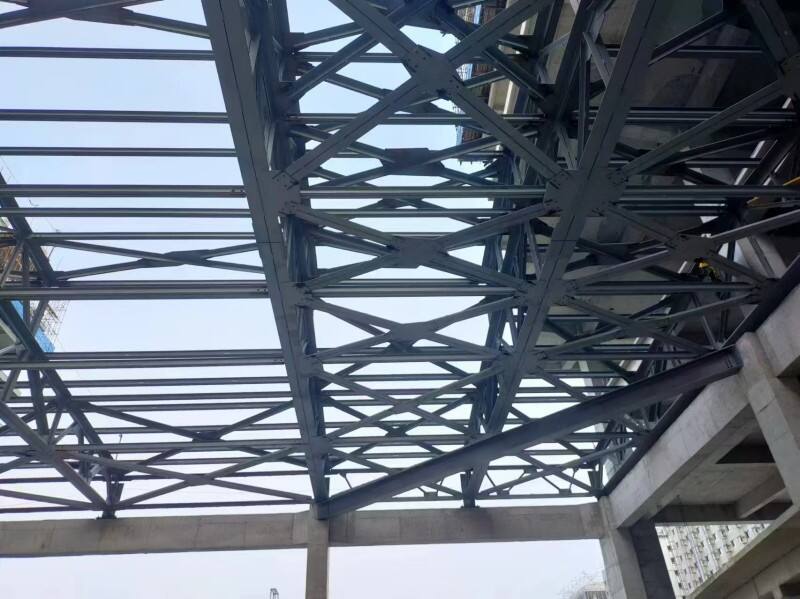
Urban Constraints Driving Steel Structure Building Efficiency
Navigating Plot Ratio, Height Limits, and Floor-to-Floor Height in Dense Urban Contexts
City zoning rules often set tight limits on how much land can be used and how tall buildings can get, forcing developers to think vertically instead of spreading out horizontally. Steel buildings really shine here because they're strong yet lightweight. The floors in these structures can actually be thinner than those made from concrete, cutting down floor spacing by about half a foot to a full foot. This means developers can squeeze in around 10% more rentable space without violating height restrictions. Nowhere is this advantage more valuable than in places like Manhattan, where every inch counts when building under strict height caps. According to a recent study by the Urban Land Institute, steel frame mid-rise buildings typically go through the permitting process 15% quicker than other options. The reason? Everything just fits together better with fewer surprises during construction.
Achieving Column-Free Interiors and Shallow Floor Systems with Optimized Steel Structure Building Layouts
Long-span steel trusses and cantilevers enable truly column-free interiors—essential for commercial flexibility in retail or office spaces. By eliminating interior supports:
- Leaseable space increases by 8–12% through reconfigurable partitions
- Mechanical systems integrate within 14-inch-deep composite floors, slashing ceiling void requirements
- Construction timelines shorten by 20% through prefabricated modular components
Optimized bay spacing (typically 30–45 feet) balances material efficiency with architectural freedom, while standardized connections reduce steel tonnage by up to 18% versus conventional designs. This systematic approach directly addresses urban developers’ dual mandates: minimizing embodied carbon while maximizing functional density.
Optimizing Structural Systems for Cost and Performance in Steel Structure Buildings
Rigid Frames vs. Braced Frames vs. Continuous Frames: Selecting the Right System for Urban Office and Retail Steel Structure Buildings
When planning urban developments, getting the structural decisions right matters a lot. Rigid frame construction gives buildings those nice open floor plans we all want, but comes at the cost of needing thicker structural members. Then there's braced framing which handles sideways forces much better thanks to those diagonal supports, making them great picks for areas where wind is a concern. Continuous frames try to get the best of both worlds through their moment resisting connections. Mid rise office buildings typically see around 15 to maybe even 20 percent savings in steel when going with braced systems instead of rigid ones. Retail spaces tend to go for rigid frames so they can have those column free shopping areas, although smart designers will sometimes incorporate bracing either hidden away or turned into actual design elements that don't block views while still doing their job properly.
Span, Bay, and Roof Pitch Optimization to Minimize Material Use and Embodied Carbon in Steel Structure Buildings
Strategic geometric planning directly reduces environmental impact:
- Optimal bay dimensions (9–12 m) minimize secondary framing
- Longer spans (up to 30 m) decrease column foundations and associated excavation
- Shallower roof pitches (≢1:12) lower surface area and cladding material volume
This approach cuts steel tonnage by 18–25% while maintaining structural performance. Every 10% weight reduction lowers embodied carbon by approximately 8 metric tons per 1,000 m². Efficient layouts also accelerate construction, reducing site energy use by 30%.
Ensuring Stability and Resilience: Lateral Load Management in Steel Structure Buildings
Wind and Seismic Load Distribution Through Integrated Bracing, Connections, and Diaphragm Design
Steel buildings in cities really struggle with staying stable when strong winds blow or the ground shakes during earthquakes. That's why engineers need to build in systems that spread out lateral forces throughout the structure. There are basically three main parts working together here. First, diagonal bracing helps move forces from one floor to another vertically. Then we have those special connections at beam and column junctions that actually take on the twisting stresses. And finally, the floor decks and roofs act as rigid diaphragms spreading out horizontal loads across the whole building. Computer models help figure out how all these forces travel through the structure so no single spot gets too stressed out which might cause it to buckle or fail completely. When everything works right, the building behaves predictably even during bad weather or quakes. This means the structure stays resilient without needing extra materials just for safety's sake. The proper setup lets the building bend a little bit but still keeps people safe inside during those intense moments when nature throws its worst at us.
Advancing Sustainability in Steel Structure Building Design
Reducing Embodied Carbon via High-Recycled-Content Steel, Prefabrication, and Design-for-Disassembly
These days, when architects think about steel buildings, they're really focused on cutting down that embodied carbon stuff through three main approaches. Let's start with using steel that has a lot of recycled content, usually around 90% or more recycled materials. That makes a big difference because making recycled steel takes about 75% less energy compared to creating new steel from scratch. Then there's prefabrication which cuts down on site waste since everything is made precisely in factories. The modular parts just show up at the construction site already built, so we see roughly 30% less construction trash compared to old school methods. And finally, there are these design for disassembly ideas that make buildings adaptable over time. Instead of welding things together permanently, we use bolts. Standardized parts can be taken apart and reused later. Some projects even keep track of all the steel properties in what they call material passports to help with recycling later on. All these approaches work together to cut emissions across the whole life cycle while still keeping the buildings strong and stable, proving that steel remains a key player in building cities sustainably.
FAQ
What are the benefits of steel structure buildings in urban environments?
Steel structure buildings offer several benefits, including reduced floor spacing, allowing for more rentable space, faster permitting processes, and the ability to create column-free interiors for flexible commercial spaces.
How do steel structure buildings contribute to sustainability?
Steel buildings can significantly cut embodied carbon by using high-recycled-content steel, prefabrication methods to reduce waste, and design-for-disassembly approaches that enable reuse of building components.
What structural systems are most effective for steel structure buildings in urban areas?
The choice between rigid frames, braced frames, and continuous frames depends on the desired floor plan and environmental challenges, such as wind resistance.
How do steel buildings handle lateral load management?
Steel buildings use integrated bracing, specialized connections, and diaphragm design to distribute wind and seismic loads effectively, ensuring stability and resilience.