 EN
EN
Faster Construction and Lower Total Cost of Ownership
Accelerated Timelines Through Off-Site Fabrication and On-Site Assembly
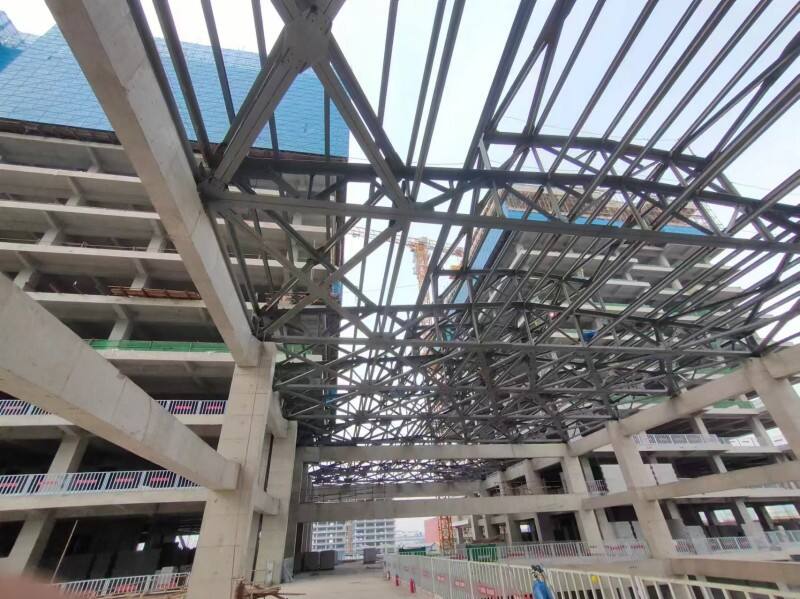
Steel buildings made off site typically cut down construction time anywhere from 30 to maybe even 50 percent when compared to old school building techniques. The magic happens because parts get manufactured at factories where there's no rain delaying things, while workers are already getting the ground ready at the actual building location. This kind of overlapping work schedule means nobody has to wait around for something else to finish first, and bad weather doesn't stop progress either. When those pre-built modules finally show up, they come completely put together so assembly crews can knock them out fast, which saves roughly a quarter of what would normally be spent on onsite labor costs. Getting into these buildings takes just weeks instead of months, which makes all the difference for businesses needing space quickly whether it's a warehouse, office complex or school project. Money starts flowing sooner rather than later. Plus, since everything comes straight from standardized factory processes, most components tend to maintain pretty good quality throughout the whole construction process despite occasional hiccups here and there.
Cost Efficiency: Reduced Labor, Waste, and Long-Term Maintenance Savings
Steel buildings tend to save money across their entire lifespan compared to other materials. When constructed in factories, there's simply less waste because everything gets cut and assembled with greater precision. We're talking around 15 to maybe even 20 percent less scrap metal going into landfills compared to what happens at construction sites. Projects also finish faster, which means less money spent on loans, fewer people needed to oversee work, and overall lower overhead expenses. Plus, steel doesn't require constant attention down the road. A good coating protects against rust, termites won't touch it, and there's no need for regular painting or pest control treatments. And let's not forget about those advanced insulation systems that come built right into many modern steel designs, making buildings much more energy efficient. All these benefits combined usually result in about 20 to 30 percent savings when looking at all costs throughout a building's lifetime compared to traditional construction methods.
Superior Strength, Durability, and Resilience
Built to Withstand Fire, Corrosion, Pests, and Extreme Weather Events
Steel structures built off site bring together solid materials with real engineering power. Steel doesn't burn, so it stays strong even when temps hit over 1,000 degrees Fahrenheit. That means less chance of fires spreading quickly through buildings where flammable stuff is stored or processed. Galvanized steel with those thick G90 coatings plus PVDF finishes stands up against rust and decay. We're talking about structures that can last 70 years or more, even near saltwater beaches or industrial areas with harsh chemicals in the air. Regular wood frames feed termites and rodents, but steel? Not a thing for bugs to chew on. The National Pest Management Association says this saves building owners around $2 billion every year across the country. When storms come rolling in, steel's strength relative to its weight lets buildings withstand winds over 150 miles per hour and hold up under heavy snowfall weighing 40 pounds per square foot. And during earthquakes, steel bends instead of breaking, absorbing shock waves from ground movements stronger than 0.3g acceleration. All these features mean insurance companies charge less for coverage, and after disasters strike, there's far less money spent fixing damage.
Key Resilience Advantages
| Threat | Steel Performance Advantage | Industry Impact |
|---|---|---|
| Fire | Non-combustible material, maintains stability at 1,000°F+ temperatures | 90% reduction in fire spread risk vs. timber |
| Corrosion | G90 galvanization + PVDF coatings prevent oxidation in salt/moisture-rich environments | 70-year service life expectancy |
| Pests | Inorganic composition eliminates food sources for termites/rodents | Prevents $5k+ annual damage per structure |
| Extreme Weather | Engineered wind resistance (150+ mph) and seismic ductility (0.3g+ acceleration tolerance) | 40% lower storm-related insurance premiums |
Environmental Sustainability Across the Lifecycle
Recyclability, Low Embodied Energy in Modern Production, and Carbon-Neutral Potential
Steel stands as the planet's top recycled material, completely recyclable without any degradation in quality. This means old buildings and structures can be turned into raw materials for brand new products. The modern electric arc furnace method, which runs on more renewable power these days, has slashed the energy required to produce steel by about 60% since the early 90s. Add carbon capture technology and integrate green energy sources, and we're looking at a real shot at making steel production carbon neutral. What happens off site affects what happens on site too. Fabricators hit around 97% accuracy rates, which cuts down on construction waste dramatically. Compared to traditional poured concrete methods, this approach sends roughly 83% less material to landfills according to recent findings from the Sustainable Build Council back in 2023.
Lifecycle Analysis: Why Prefabricated Steel Outperforms Traditional Methods on Net Emissions
Looking at the whole life cycle shows why prefabricated steel stands out when it comes to cutting down on emissions. Recent research covering about 120 different commercial buildings in 2023 revealed that steel structures actually produce around 30 percent fewer carbon emissions over their entire lifespan compared to similar concrete buildings. There are several reasons behind this benefit. First off, better design practices mean we need about 19% less steel per square foot than traditional methods. Then there's the logistics side of things - since most fabrication happens off site, transportation related emissions drop significantly. And finally, what really makes steel special is its ability to be recycled again and again. When old steel products get back into the manufacturing process, they essentially cancel out about 75% of the original production emissions. All these factors combined make prefabricated steel not just an option but practically the gold standard for anyone serious about tracking and reducing carbon footprints throughout construction projects.
Design Flexibility and Functional Adaptability for Diverse Applications
Clear-Span Interiors, Modular Scalability, and Future-Proof Adaptability
Steel structures built offsite bring real flexibility to building needs. The strong steel frames create open spaces without columns that stretch well beyond 100 feet, giving maximum usable space inside for things like big warehouses, airplane hangars, stores, and distribution facilities. The modular approach makes expanding much easier too. When companies want to add on later, they can just install new pre-made sections that fit right into place. This saves time compared to traditional retrofits, cutting down the work needed by around half sometimes. Another plus is how easy it is to change things around later. Need to move walls or adjust where utilities run? No problem. Entry points can shift positions without major headaches. All these features mean buildings last longer and save money when renovations eventually come along. For businesses planning for future growth or changes in technology, steel remains an excellent choice despite all the uncertainties ahead.
FAQ
What are the benefits of off-site fabrication for steel buildings?
Off-site fabrication allows parts to be manufactured in controlled factory settings, reducing construction time by 30-50%. It allows for overlapping work schedules and consistent quality, leading to faster project completion and lower labor costs.
How does steel contribute to long-term cost savings in construction?
Steel reduces waste and requires less maintenance compared to other materials. It's resistant to rust and pests, and doesn't require frequent painting or pest control, leading to significant savings over a building's lifetime.
Why is steel considered a sustainable building material?
Steel is highly recyclable, with no loss in quality. Modern production methods have reduced the energy required to produce steel, and when used in prefabrication, it significantly lowers on-site waste and emissions.
How does steel perform under extreme weather and seismic conditions?
Steel structures are engineered to withstand high winds, heavy snow, and seismic activity. The material's resilience reduces insurance costs and repair expenses following extreme weather events.