 EN
EN

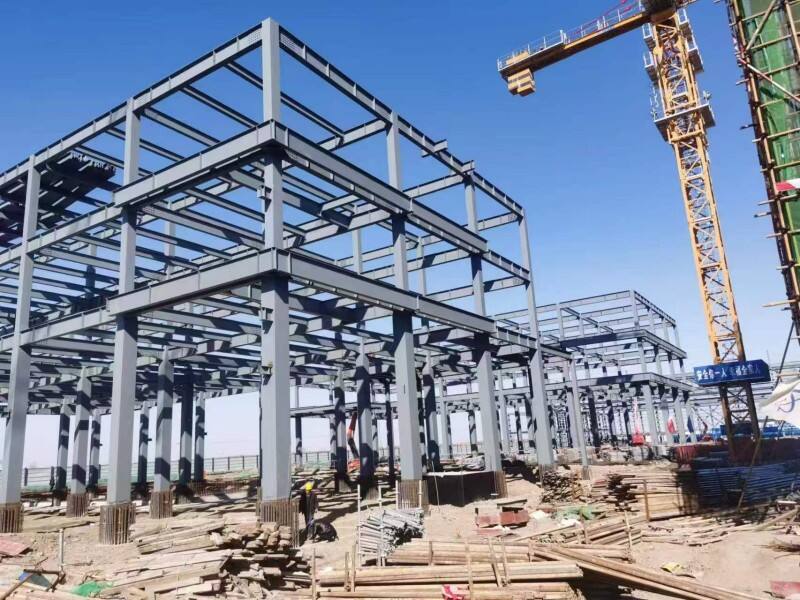
Inherent Material Efficiency: How Steel’s Strength-to-Weight Ratio Reduces Embodied Energy
Slender framing and optimized structural geometry for thermal performance
Steel has this amazing strength compared to its weight, about 50% better than most other building materials out there. This lets architects design frames that are both slim and strong, which naturally cuts down on thermal bridging problems. When engineers can shrink the cross section without losing strength, walls end up thinner but still hold everything together. Take high strength steel sections as an example they give the same structural support as regular carbon steel but use around 25 to 35 percent less material. That means less energy goes into making them while keeping things solid. The whole geometry thing works wonders for thermal performance right from the start, so buildings made with steel tend to save energy over time.
Lower material volume and embodied energy without sacrificing durability or safety
Steel needs about 40 percent less weight to achieve the same strength as concrete, which means we extract fewer resources, produce less during manufacturing, and transport materials over shorter distances. The good news is that this efficiency boost does not mean weaker buildings either. Steel structures can last well beyond half a century with hardly any upkeep required at all. When buildings have lighter frames, foundations become smaller too, and whole construction projects get simpler to manage. All these factors combine to create a much lower environmental impact throughout every stage from planning to demolition. No wonder why so many architects now see steel framing as essential when building anything green.
High-Performance Building Envelope Systems for Steel Structure Buildings
Insulated metal panels (IMPs): R-values, air tightness, and installation efficiency
Insulated metal panels or IMPs provide continuous insulation along with good building enclosure performance specifically for steel structures. These panels are made in factories with rigid foam cores inside them, which means they can reach R-values as high as R-8 per inch according to ASHRAE standards from 2023. That's way better than what most standard cavity walls offer. The way these panels lock together creates almost no air leakage either. Tests show air infiltration rates below 0.04 cfm per square foot at 75 Pa pressure differential. This helps stop heat from escaping through convection and keeps moisture from moving through the building envelope. What makes IMPs really stand out though is how everything comes pre-assembled. They combine structural elements, insulation material, and even the final architectural look all into one single unit fabricated at the factory. As a result, installing these panels generally takes about 30 percent less time compared to older traditional methods. This saves money on labor costs, reduces project delays, and minimizes those annoying thermal gaps that often happen during on-site construction.
Cool roofs and solar reflectance index (SRI) in low-slope steel roof systems
Steel roofs with low slopes make great candidates for cool roof tech. Reflective coatings that perform well can push SRI values over 100, bouncing back around 85% of incoming sunlight while letting out heat efficiently through their surfaces. According to research from the Cool Roof Rating Council in 2023, buildings with these systems often see indoor temps drop by roughly 10 to 15 degrees Fahrenheit compared to regular roofing materials. Combine this with steel's natural ability to resist rust and maintain shape over time, and property owners typically save between 15 and 20 percent on yearly HVAC costs in hotter regions. Plus, such installations help combat those annoying urban heat islands we keep hearing about in city planning discussions.
Thermal bridging mitigation using structural thermal breaks and hybrid insulation
Steel's ability to conduct heat makes addressing thermal bridging absolutely necessary for any serious high performance building envelope. These structural thermal breaks work as non conductive spacers placed where connections matter most, cutting down on heat loss through those spots by somewhere between 60 and 80 percent according to Building Science Corporation research from 2023. When paired with hybrid insulation methods that combine continuous rigid insulation on the outside with proper cavity filling inside, we see significant improvements. The result is much more consistent thermal resistance throughout the structure. Cold surface condensation becomes a thing of the past too. And when architects run their models, they find that buildings constructed this way actually consume around 12 to 18 percent less energy compared to traditional steel constructions. Makes sense really when you think about how much wasted energy goes straight through those metal connections otherwise.
Passive Design and Renewable Energy Integration Enabled by Steel Structure Buildings
Daylighting, natural ventilation, and orientation flexibility through open-span steel framing
Steel framing that spans open areas gets rid of those pesky interior support columns, giving architects loads of freedom for passive design solutions. Without all those columns getting in the way, natural light can reach about 35.4% further into building floors compared to traditional construction methods according to Frontiers research from last year. This means offices and other spaces need less artificial lighting during the day. Steel's flexibility lets designers play around with building orientation, install big windows, create operable clerestory openings, and plan ventilation routes that follow wind patterns. Architects can really work with nature here, catching sunlight at different times of year and letting fresh air circulate properly. Even better, if left exposed, the steel itself provides some thermal mass advantages when it connects directly with indoor spaces.
Seamless solar integration: BIPV compatibility and structural support for rooftop PV arrays
Steel buildings offer something special when it comes to adding renewable energy systems. The way these structures are built makes it much easier to install solar panels right into walls and roofs without messing with how water stays out or how strong the building remains. Steel is really good at what it does because it's strong but not too heavy. That means putting big solar panel setups on flat or gently sloped roofs doesn't require expensive changes to the building itself. All this works together pretty well for getting money back faster. Studies show that combining solar power with storage can cut down on electricity bills anywhere from 18% all the way up to 52%. So steel buildings aren't just standing there anymore they're actually helping move us toward those zero energy goals we keep hearing about.
FAQ
What makes steel an efficient building material?
Steel is strong yet lightweight, allowing structures to have slimmer frames that reduce thermal bridging and use less material without sacrificing strength.
How do insulated metal panels (IMPs) benefit steel buildings?
IMPs provide high R-values and airtightness while being easy to install, improving a building’s energy efficiency and structural integrity.
Why are cool roofs recommended for steel structures?
Cool roofs, with high solar reflectance index, help reduce indoor temperatures and lower HVAC costs by reflecting sunlight effectively.
How does steel framing enhance passive design strategies?
Open-span steel framing allows for greater design flexibility, enhancing daylighting and ventilation, which is beneficial for energy conservation.