 EN
EN

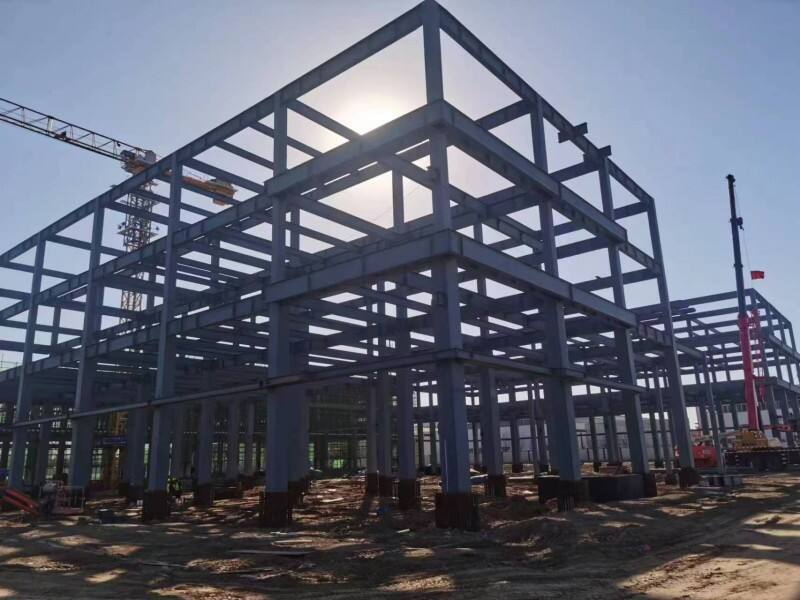
Why Steel Structure Buildings Excel in Modern Construction
Unmatched strength-to-weight ratio enabling column-free spans and adaptive floor plans
The amazing strength to weight ratio of steel lets architects create really big spaces without columns, sometimes over 150 feet wide. These kinds of designs make for super flexible floor plans that can change as needs evolve. Think about how warehouses with open concepts become possible, or offices that can be rearranged when business requirements shift. Compared to concrete or wood, steel manages all this structural stuff without taking up so much space. Foundations don't have to carry as much weight, yet buildings still stand strong against earthquakes and bad weather. And there's another benefit nobody talks about enough: projects get built faster. The assembly process is smoother and requires fewer workers onsite. Contractors often report cutting construction time by around 15 to 20 percent when working with steel instead of traditional materials.
Inherent sustainability: 95%+ recyclability and reduced embodied carbon with EAF production
Steel buildings really stand out when it comes to going green, since most structural steel can be recycled at the end of its life cycle. We're talking around 95% recyclability, which beats both concrete at only 30% and wood products at about 60%. The numbers get even better when manufacturers switch to Electric Arc Furnace technology for production. This method mainly uses scrap metal instead of raw materials, cutting down carbon emissions by roughly 70% compared to older blast furnace techniques. Recent research from last year showed these EAF processes produce just 0.4 tons of CO2 for every ton of steel made, something that makes a big difference for companies trying to hit those net-zero targets. Plus, because steel components are often manufactured offsite with precise measurements, there's much less waste during actual construction. All these factors together explain why steel remains such a key player in building our sustainable future infrastructure.
Digital Integration in Steel Structure Building Design
BIM-driven coordination: Clash detection, fabrication-level modeling, and 4D/5D scheduling
Building Information Modeling, or BIM for short, really takes steel structure buildings to another level by letting everyone work together virtually first. The 3D clash detection part is super helpful because it finds where different parts of the building might bump into each other before anyone starts cutting metal. This saves tons of money that would otherwise go toward fixing mistakes at the job site. When it comes to making actual components, the fabrication models get down to millimeter precision. And there's even 4D scheduling which shows exactly when things need to happen during construction, plus 5D that keeps track of costs as they happen. A recent study from Construction Innovation showed these digital tools cut down on rework by about a quarter and speed up projects since what gets made off site matches perfectly with what needs to be done on site.
AI and generative design optimizing structural efficiency and material use for steel structure buildings
Generative design software can look at literally thousands of different structural setups in no time at all, finding the best possible arrangements where strength is maximized but materials are kept to a minimum. These smart systems check how forces travel through structures, where stresses build up, and what constraints matter most. They cut out unnecessary parts too, which actually saves around 18% on steel weight while still keeping everything safe and up to code requirements. Some companies have started using machine learning for their buying plans as well. These models predict when materials will be available and how prices might swing around. What we end up with are buildings that perform really well and adapt to specific sites, they pass all the international standards for construction, and they just happen to use resources more efficiently than traditional methods ever could.
Prefabrication and Precision Manufacturing for Steel Structure Buildings
Off-site fabrication benefits: 30–40% faster erection, enhanced QA/QC, and reduced weather delays
Steel structures built using prefabrication methods change how buildings get delivered because everything happens in controlled factory settings where components are made with exact specifications. When fabrication moves away from the construction site itself, projects tend to go up about 30 to 40 percent quicker. The reason? Site prep can happen at the same time as actual structural production instead of waiting for one after the other, which really shortens project timelines. Factories use automated systems like robotic welders and laser cutters that maintain strict quality control standards. These machines deliver parts with incredible accuracy, often within just plus or minus 0.1 millimeters, and they reduce mistakes people might make during manual work. Building indoors means no more waiting around for bad weather to pass, something that traditionally holds up construction jobs for anywhere between 15 and 25 days every year. What's left to do on site is basically just connecting pre-drilled pieces together with bolts. This approach cuts down on labor requirements by roughly 35%, yet still maintains all necessary structural strength and safety requirements.
Smart Operations and Long-Term Resilience of Steel Structure Buildings
IoT-enabled structural health monitoring (SHM) for real-time corrosion, fatigue, and load tracking
IoT sensors embedded throughout steel structures keep an eye on those high-stress areas where problems tend to start showing up first. They catch things like early signs of rust forming, tiny fatigue cracks developing over time, and unusual weight distribution patterns that could signal bigger issues down the road. These structural health monitoring systems send live updates to central control panels, which helps engineers spot potential trouble spots before they actually cause damage or safety concerns. Studies indicate these kinds of monitoring setups can cut down on expensive repairs by around 35-40% in many cases, plus they help buildings last longer by catching those really small deformations and hidden cracks that nobody would notice just looking at them. When something crosses a certain threshold, facility managers get automatic notifications so they can respond quickly if there's an earthquake shaking things up, strong winds putting extra pressure on the framework, or any other kind of environmental stress that might compromise structural integrity.
Automation in fabrication and assembly: Robotic welding and laser cutting accuracy (±0.1 mm)
When it comes to steel components, robotic welding combined with laser cutting delivers incredible consistency down to the micron level. These machines can repeat the same cut or weld within just 0.1 mm of accuracy every single time. Such tight tolerances mean there's practically no variation where parts connect, which makes those joints much stronger and better able to withstand earthquakes. Looking at what the industry has found, automated systems cut down on fabrication mistakes by around 90% or so. That means when workers put these parts together on site, everything just fits right where it needs to go. The end results speak for themselves really. Installation goes faster because there are fewer adjustments needed. All the units look and perform consistently too. And manufacturers waste less material overall since computer programs figure out the best way to nest pieces together on sheets of metal. This approach not only builds structures that last longer but also helps reduce environmental impact in construction projects.
FAQ
What is the strength-to-weight ratio, and why does it matter in steel structures?
The strength-to-weight ratio refers to the comparison of a material's strength relative to its weight. In steel structure buildings, a high strength-to-weight ratio allows for the creation of large, column-free spaces, enabling flexible and adaptable floor plans.
How does steel contribute to sustainable construction?
Steel is highly sustainable as it is over 95% recyclable at the end of its life cycle. Using Electric Arc Furnace (EAF) technology reduces carbon emissions by up to 70%, making steel an excellent choice for environmentally friendly construction.
What role does Building Information Modeling (BIM) play in steel construction?
Building Information Modeling (BIM) facilitates collaboration among stakeholders, detecting clashes, and optimizing scheduling and cost management, leading to reduced errors and accelerated construction timelines.
How does prefabrication impact construction timelines?
Prefabrication allows steel components to be manufactured off-site in controlled environments, resulting in construction times that are 30-40% faster and minimizing weather-related delays.
What is SHM, and why is it important?
Structural Health Monitoring (SHM) employs IoT sensors in steel structures to track real-time data on corrosion, fatigue, and loads, enabling early detection of potential issues and reducing costly repairs.
Table of Contents
- Why Steel Structure Buildings Excel in Modern Construction
- Digital Integration in Steel Structure Building Design
- Prefabrication and Precision Manufacturing for Steel Structure Buildings
- Smart Operations and Long-Term Resilience of Steel Structure Buildings
-
FAQ
- What is the strength-to-weight ratio, and why does it matter in steel structures?
- How does steel contribute to sustainable construction?
- What role does Building Information Modeling (BIM) play in steel construction?
- How does prefabrication impact construction timelines?
- What is SHM, and why is it important?