 EN
EN

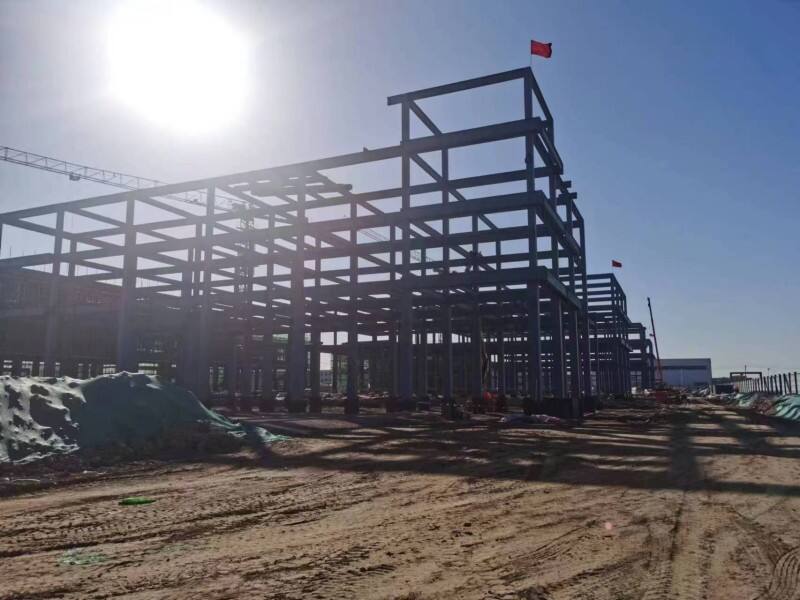
Speed and Cost Efficiency in Steel Structure Building Deployment
Prefabrication and Rapid On-Site Assembly Reduce Time-to-Occupancy by 30–50%
Steel parts made in factories come ready to go right into construction, which can cut down building time by around 30 to 50 percent compared to old school methods. Since about 90 percent of all the cutting and shaping happens inside climate-controlled plants first, there's no waiting around for rain to stop or concrete to dry properly outside. Commercial property builders really benefit from this because their buildings become usable anywhere from four to six months ahead of schedule. That means money starts coming in earlier and they save roughly eighteen grand each month on temporary loans for a medium sized project. Plus, fewer workers need to be onsite since the whole thing requires about 40 percent less manpower. And thanks to computer models built right into the manufacturing process, everything fits together almost perfectly without those annoying gaps we usually see in conventional construction.
Lifecycle ROI Analysis: Lower Total Cost of Ownership vs. Concrete or Timber Alternatives
Steel structure buildings deliver superior long-term economics—30% lower lifetime costs than concrete and 45% less than timber. Key drivers include:
- Foundation optimization: 25% lighter structural loads permit smaller, more economical foundations
- Maintenance reduction: Hot-dip galvanization prevents corrosion, eliminating concrete’s recurring $120/m² spalling repairs
- Energy efficiency: Integrated high-performance insulation systems reduce HVAC consumption by 30% annually
- Adaptive reuse: 100% recyclability preserves end-of-life scrap value at $200/ton
Additional operational advantages compound over decades: insurance premiums are 15% lower due to steel’s non-combustible properties and seismic resilience exceeding IBC requirements.
Structural Performance and Long-Term Durability of Steel Structure Buildings
High Strength-to-Weight Ratio Enables Clear-Span Interiors for Warehousing and Retail
The strength to weight ratio of steel makes it possible to build large interior spaces without columns, sometimes stretching over 100 feet wide. These kinds of open spaces are becoming increasingly popular in warehouses, stores, and distribution hubs these days. When buildings can go taller vertically without needing extra support, they save money on foundations too. Clear span construction actually gives businesses around 15 or so percent more usable floor space than traditional setups with columns everywhere. This matters because it means forklifts can move around easier, goods flow better through the facility, and store layouts can be changed as needed. Steel structures also hold up well under serious weight pressure from pallet racks that might carry up to 350 pounds per square foot. This kind of structural integrity keeps everything aligned properly over time and cuts down on problems where floors bend or shift, allowing companies to pack more inventory into the same space and adjust their floor plans as their operations grow and change.
Corrosion Mitigation Strategies: Galvanization, Weathering Steel, and ASTM A123/A123M Compliance
Getting long term durability right really depends on taking care of corrosion issues before they become problems. Hot dip galvanizing gives steel a zinc coating that can last well over 50 years in normal conditions. Weathering steels like Corten develop their own protective layer over time, making them great choices for buildings and structures exposed to the elements. Following ASTM A123 standards ensures coatings are applied properly, which matters a lot near coasts or factories where salt in the air speeds up rust formation. Add good quality paint systems to this mix and maintenance needs drop somewhere between 40 and 60 percent compared to regular untreated metal. Regular checks focusing on connections and coating wear help extend lifespan significantly, sometimes pushing past 70 years depending on environmental factors and how well everything was maintained along the way.
Design Flexibility, Sustainability, and Commercial Adaptability of Steel Structure Buildings
Architectural Customization and Brand-Aligned Aesthetics Without Structural Compromise
Steel gives architects incredible flexibility when designing commercial spaces. Think about those big open interiors where nothing gets in the way, or those amazing curved glass atriums that let so much light in. Even cantilevered entrances become possible without worrying about structural integrity. The prefabricated parts really shine here too. When tenants want to change their space later on, these components can be moved around quickly. An office might start as an open plan but then get converted into modular showroom areas as business needs evolve. Plus, adding extra floors to existing buildings becomes much easier with steel construction. What sets steel apart from older building materials is how stable it stays over time, even when carrying heavy loads for years. This means important design elements like those massive column-free spaces that stretch over 100 feet remain reliable throughout their entire lifespan.
LEED Certification Pathways: Recycled Content (90%+), Reusability, and Energy-Efficient Envelope Integration
Steel buildings actually work really well when it comes to green building goals. Most structural steel already has around 90% recycled material in it, and can be completely recycled again at the end of its life cycle. This makes them great for getting points under LEED v4.1 BD+C standards, specifically for MR Credit 2 regarding construction waste management and MR Credit 4 about recycled content materials. When talking about energy efficiency, steel structures allow for better insulation with R-49 ratings, plus cool roof systems that cut down on air conditioning costs by roughly 15 to 20 percent. Plus, integrating solar panels becomes much easier too. Another big plus point is prefabrication which cuts down on site waste by almost two thirds compared to traditional concrete methods. This significantly helps with certifications across both Energy & Atmosphere (EA) requirements as well as Materials & Resources (MR) categories during the building process.
Regulatory Compliance and Operational Readiness for Commercial Developers
Steel buildings make dealing with regulations much easier since they already meet most important codes like IBC, NFPA fire safety rules, and ADA accessibility guidelines. The precise dimensions help engineers calculate how structures will handle earthquakes and strong winds, and the fact that steel doesn't burn means less complicated fire protection measures. When prefabricated parts come to site, they include official test reports showing they comply with ASTM standards for steel quality. This documentation speeds up the permitting process and gets projects ready for inspections quicker than other materials. These buildings also require very little ongoing maintenance, which saves money because there's no need for expensive retrofits when building codes change over time. Electrical and mechanical systems installed within steel frames tend to last longer without needing upgrades. Getting compliance issues sorted out at the design stage helps avoid those frustrating project delays, unexpected costs, and potential headaches down the road with changing regulations.
FAQ
What are the cost-saving advantages of steel structure buildings compared to traditional constructions?
Steel structure buildings are more cost-effective because they reduce on-site construction time by 30-50%, require 40% less manpower, and have lower lifetime costs than concrete or timber alternatives due to decreased maintenance and energy consumption.
How does steel construction promote sustainability?
Steel construction is highly sustainable, with most structural steel containing more than 90% recycled content and being completely recyclable at the end of its lifecycle. It also reduces site waste significantly, aiding in LEED certification efforts.
What makes steel a preferred choice for commercial and warehouse spaces?
Steel's high strength-to-weight ratio allows for clear-span interiors without columns, making it ideal for warehouses and retail spaces. This offers more usable space and flexibility in changing layouts as business operations grow.
How does steel construction address corrosion and durability?
Steel buildings use hot-dip galvanization and weathering steels like Corten to combat corrosion, ensuring longevity even in harsh environments. Adhering to ASTM A123 standards improves coating applications and extends the lifespan of steel structures.
Table of Contents
- Speed and Cost Efficiency in Steel Structure Building Deployment
- Structural Performance and Long-Term Durability of Steel Structure Buildings
- Design Flexibility, Sustainability, and Commercial Adaptability of Steel Structure Buildings
- Regulatory Compliance and Operational Readiness for Commercial Developers
- FAQ