 EN
EN

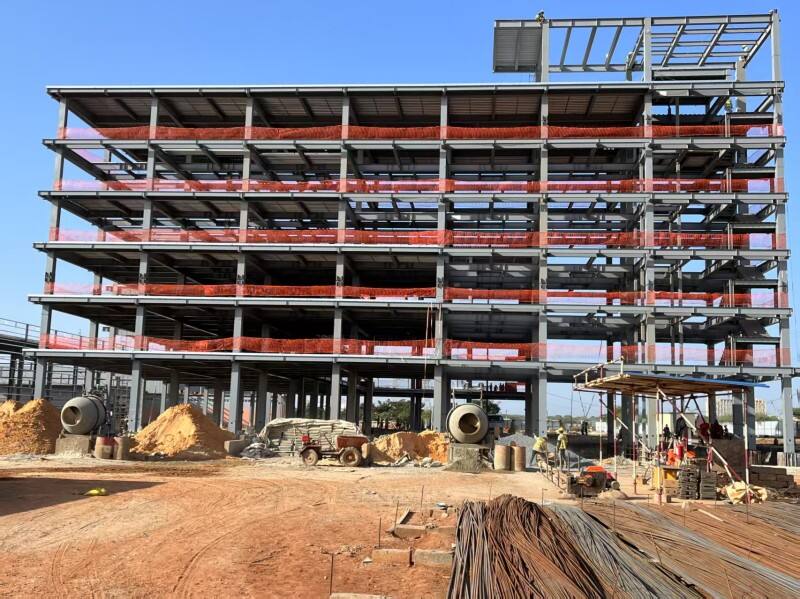
Steel Structure and Carbon Footprint Reduction Through Recycling
Closed-Loop Recycling: 95% Energy Savings vs. Primary Steel Production
Steel structures really cut down on carbon footprints when we look at how they can be recycled over and over again. When we recycle steel instead of making it fresh from raw iron ore, we save about 95 percent of the energy needed. That means no more digging up mines, making coke, or running those big furnaces that take so much fuel. And this isn't just good for the bottom line either. For every ton of steel we recycle, we keep roughly 1.5 tons of CO2 out of the atmosphere while saving precious natural resources that just aren't there in endless supply. What makes steel special is that it keeps all its strength even after being melted down countless times. So when old buildings come down, their steel becomes real reliable material for building something new. This creates what people call a circular economy where nothing gets wasted and materials just keep going around and around without losing quality.
Multi-Cycle Reuse in Buildings: Extending Service Life and Cutting Cumulative Emissions
The strength and ability to recycle structural steel without losing quality means that parts like beams and columns can actually be used again and again in different buildings throughout their lifespan. When we extend how long these materials stay in use, it cuts down on all the environmental costs associated with constantly mining raw materials, making new products, and shipping them around. This approach really brings down what's called embodied carbon when looking at the whole picture over many years. Building components offsite also makes things better because factories can produce with much greater accuracy than traditional on-site construction methods. Studies show that this factory approach can cut construction waste by somewhere between 85% to 90%, which is quite impressive. So when architects talk about green building practices today, they often point to steel structures as one of those key elements that help reduce carbon footprints while still maintaining structural integrity.
Life Cycle Sustainability of Steel Structure: From Cradle to Infinite Recycle
EPDs, ISO 14040 Compliance, and Cradle-to-Cradle Modeling for Steel Structure
Environmental Product Declarations or EPDs give us clear, independent records about how much environmental impact steel structures actually create. These declarations follow strict life cycle assessment methods set out in ISO standards. They track everything from when raw materials come out of the ground all the way through manufacturing right until the product reaches its final stage. According to recent data from Sustainable Construction Council in 2024, structural steel produces between 15 to 20 percent fewer emissions compared to other common building materials during what's called the cradle-to-gate phase. What makes steel really stand out though? When we look at the whole lifecycle from start to finish, around 90% of structural steel gets reclaimed and reused eventually. Recycling this metal takes only about half as much energy as making new steel from scratch. The fact that steel can be continuously recycled creates a circular economy where buildings maintain their quality and usefulness for many years to come.
Zero-Degradation Recyclability: Why Steel Structure Enables True Material Circularity
Steel stands apart from other building materials because it doesn't lose any strength or workability when recycled. The metal's magnetic nature makes it easy to recover, which explains why over 90% of structural steel gets picked up again globally. After each time steel goes through the recycling process, it keeps all its original tensile strength and maintains its shape dimensions too, something that has been confirmed repeatedly through environmental product declarations and various tests in the field. This ability to be recycled endlessly without quality degradation means we don't have to worry about downgrading materials or sending them to landfills, positioning structural steel as one of the few major construction products that actually fits well within circular economy frameworks. When companies recycle steel instead of producing new stock, they avoid creating around 1.5 tons of carbon dioxide emissions for every single ton of recycled material used, effectively transforming old buildings into carbon reduction opportunities.
Steel Structure in the Circular Economy: Prefabrication, Waste Reduction, and Design for Disassembly
Precision Fabrication and Off-Site Assembly: Cutting Construction Waste by Up to 90%
When done right, offsite fabrication changes how we think about building with steel, making it much more efficient while generating far less waste. Factories use digital models, computer controlled cutting machines, and tight quality checks to cut down on mistakes, wasted materials, and the need for fixes later on. The numbers back this up too many companies report around 90% less construction waste compared to old school methods. What makes this work so well? Steel pieces get arranged optimally in the factory, leftover bits get recycled right away instead of sitting around, there's no worrying about rain ruining materials anymore, and shipping containers aren't packed with empty space. Everything shows up at job sites already prepped for quick assembly with bolts, which means fewer workers onsite, less mess, and projects finishing on time more often. Even the scraps that remain find their way back into the manufacturing cycle, creating what some call a circular economy where nothing really gets thrown away. This kind of system ticks all the boxes for green building standards these days.
Steel Structure and Green Building Certification: Embodied Carbon Decoupling and Rating System Alignment
Decarbonizing Production: Electric Arc Furnaces and Hydrogen-Based Ironmaking for Low-Carbon Steel Structure
The steel industry is making big strides toward cleaner production methods these days. Electric arc furnaces, which run on growing amounts of renewable power and mostly rely on recycled materials, cut carbon emissions somewhere around 70 to 80 percent when compared to traditional blast furnaces. There's also this new technology called hydrogen-based direct reduction that swaps out coal for green hydrogen. The best part? It just creates water vapor instead of harmful CO2 emissions. What we're seeing now is structural steel that still performs great but leaves a much smaller environmental footprint. This shift means steel can play a key role in helping buildings and infrastructure reach those ambitious net-zero targets while maintaining all the strength properties needed for construction projects worldwide.
LEED v4.1, BREEAM, and ILFI: How Steel Structure Supports High-Performance Green Building Credits
Steel structures play a big role in achieving top ratings through green building systems like LEED v4.1, BREEAM, and those from the International Living Future Institute including Declare and Living Building Challenge. The Environmental Product Declarations we get for steel meet all the transparency needs and carbon reporting standards required by these programs. Steel also scores well because it has lots of recycled content and produces fewer emissions during manufacturing compared to other materials. This makes it eligible for points in LEED's Building Life Cycle Impact category and similar sections in BREEAM. Plus, steel works great with Design for Disassembly principles, which gives extra points toward circular economy goals in ILFI's framework. When combined with about 90% less waste at construction sites thanks to prefabrication techniques, steel offers a solid, documented route for buildings aiming at Gold or even Platinum level certifications in most green building programs.
FAQ Section
What is closed-loop recycling in steel production?
Closed-loop recycling in steel production refers to repeatedly recycling steel without any loss in quality, significantly saving energy compared to producing steel from raw materials.
How does recycling steel contribute to reducing carbon footprints?
Recycling steel helps to significantly reduce carbon footprints by saving approximately 95% of the energy required for primary steel production and eliminating about 1.5 tons of CO2 emissions per ton of recycled steel.
What is the significance of steel's zero-degradation recyclability?
Steel's zero-degradation recyclability means that it retains its strength and shape even after multiple recycling processes, which supports sustainable construction practices by reducing waste and reliance on raw materials.
How do electric arc furnaces reduce carbon emissions in steel production?
Electric arc furnaces reduce carbon emissions by using renewable electricity and recycled materials, resulting in a reduction of around 70% to 80% in emissions compared to traditional blast furnaces.
How do steel structures align with green building certifications?
Steel structures align with green building certifications by contributing to credits in categories like Building Life Cycle Impact due to their high recycled content, lower emissions, and compatibility with design for disassembly principles.
Table of Contents
- Steel Structure and Carbon Footprint Reduction Through Recycling
- Life Cycle Sustainability of Steel Structure: From Cradle to Infinite Recycle
- Steel Structure in the Circular Economy: Prefabrication, Waste Reduction, and Design for Disassembly
- Steel Structure and Green Building Certification: Embodied Carbon Decoupling and Rating System Alignment
-
FAQ Section
- What is closed-loop recycling in steel production?
- How does recycling steel contribute to reducing carbon footprints?
- What is the significance of steel's zero-degradation recyclability?
- How do electric arc furnaces reduce carbon emissions in steel production?
- How do steel structures align with green building certifications?