 EN
EN

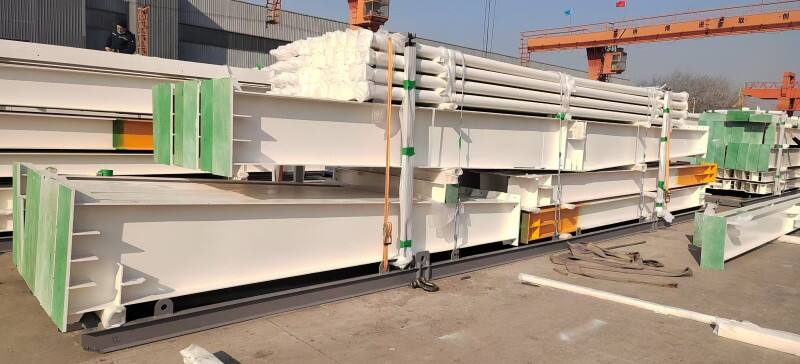
Cost Efficiency of Steel Structure Across the Project Lifecycle
Upfront Investment: Material, Fabrication, and Erection Costs vs. Concrete and Wood
Steel generally costs more upfront than wood materials, though it works well alongside reinforced concrete structures. The big plus? Prefabrication cuts down on site labor needs by around 30 to 50 percent because everything gets made precisely in factories first. Construction sites finish projects about 6 to 9 months quicker than traditional approaches, which means saving money on rented machinery, daily site expenses, and interest payments during construction. Less waste is another win for steel buildings too - we're talking under 2% scrap compared to roughly 10-15% when using concrete. Plus, steel's amazing strength relative to its weight allows for much lighter foundation systems that cost less to build. Sure, the price per ton looks high at first glance, but all these efficiency gains actually balance out those initial costs. And getting buildings ready sooner translates into real money saved as tenants can move in and start generating income much earlier.
Long-Term Value: Lifecycle Costing, ROI, and Total Cost of Ownership
Looking at the full picture, steel just keeps giving better value over time. Maintenance is basically nonexistent compared to other materials, and buildings made with steel can last well past half a century before needing major work. The special coatings that prevent rust and the fireproofing systems mean no constant patching and fixing like what happens with wooden structures or old concrete buildings. This cuts down on those annoying interruptions during operations and saves money in the long run. Plus, almost all steel gets recycled eventually (we're talking over 90% most of the time), which makes it easy to take apart and repurpose later on. Research from credible sources backs this up too. Studies show steel costs about 20 to 40 percent less overall when looking at 30 year periods compared to alternatives. And there's another bonus: buildings with steel frames tend to need less heating and cooling because they insulate better, so energy bills stay lower throughout their lifespan. That's why many forward thinking architects and engineers consider steel the gold standard when it comes to getting the most bang for their buck over decades.
Structural Performance and Longevity of Steel Structure
Load-Bearing Capacity, Resilience to Corrosion, Fire, and Extreme Weather
Steel can hold up incredible weight using far less material compared to concrete or wood, which means buildings can span greater distances and have more open floor spaces. When earthquakes strike, steel's ability to bend without breaking is actually a good thing. This controlled deformation helps prevent sudden collapses and keeps people inside safer. For places near water or along coasts where rust is a problem, modern treatments like galvanization and epoxy coatings really make a difference in stopping corrosion. And when it comes to fires, special fireproofing materials expand when heated, creating protective char layers that insulate the steel. These coatings help meet those tough 2 hour fire rating requirements needed for important buildings. Studies backed by FEMA show that well designed steel structures keep around 90% of their strength even after facing Category 4 hurricane winds and heavy snow loads, something most traditional building methods just can't match.
Empirical Lifespan Data: 50-Year NIST/ASTM Benchmarks for Steel vs. Alternatives
The latest NIST benchmarks from 2023 show that steel buildings last well beyond 50 years with hardly any maintenance needed, which is almost twice as long as wood structures can handle in places where corrosion is a problem. Tests done by ASTM on how materials age over time reveal something interesting: after half a century, steel keeps about 95% of its original strength while concrete only holds around 70 to 80% because of issues like carbonation and rusted rebar. Looking at real world data from factories and warehouses, researchers noticed that steel buildings cost about 40% less to maintain compared to similar concrete buildings over thirty years. And here's another big plus for steel: when these structures reach their end of life, we can recover nearly all (about 98%) of the material. This makes steel a great fit for circular economy principles, cutting down on resource waste by roughly 60% compared to using brand new materials every time.
Maintenance Demands and Operational Reliability of Steel Structure
Inspection Protocols, Protective System Intervals, and Risk Mitigation Strategies
Steel structures are pretty tough stuff, but they still need regular attention if we want them to keep performing well. Most businesses stick to checking their steel work every two years, which helps catch problems like rust spots, weakened welds, or worn out bolts before they become big headaches. These routine checks cut down on emergency fixes by about 40 percent compared to waiting until something breaks. The protective treatments applied to steel, whether it's that zinc coating process or special paint jobs, generally last around 12 to 15 years when exposed to harsh conditions. Building in extra support points and adding earthquake protection makes things even safer. According to recent studies from NACE International in 2023, these combined maintenance strategies actually reduce structural failures by roughly 60 percent. That means fewer unexpected shutdowns and keeps steel standing as one of the most reliable options for long term construction projects.
Sustainability Profile of Steel Structure in Modern Construction
Embodied Carbon Breakdown: EAF Steel vs. BOF Steel vs. Concrete and Mass Timber
Steel made in Electric Arc Furnaces (EAF) uses mostly recycled scrap material and produces around 70% fewer carbon emissions compared to steel from Basic Oxygen Furnaces (BOF). When looking at actual numbers, EAF steel clocks in at about 0.4 tons of CO2 equivalent per ton produced. That's way better than concrete which sits at 1.8 tons and even better than mass timber products that average around 0.9 tons. These figures put EAF steel right at the top of the list for anyone needing strong, reliable materials while keeping their carbon footprint down. The environmental benefits are pretty clear when comparing these different options side by side.
| Material | Production Method | Avg. Embodied Carbon (tons CO₂e/ton) | Recycled Content (%) |
|---|---|---|---|
| EAF Steel | Electric Arc | 0.4 | >90 |
| BOF Steel | Oxygen Blowing | 1.6 | 30–40 |
| Concrete | Kiln Processing | 1.8 | <5 |
| Mass Timber | Milling | 0.9 | N/A |
Source: Global Construction Materials Report 2025
Recyclability, Design-for-Disassembly, and Contribution to Net-Zero Building Goals
Steel stands out as the construction material that gets recycled more than any other in the world. About 98% pure when recovered, it doesn't lose its quality during the process. Structural steel works really well with design concepts that make buildings easier to take apart later. This approach allows for modules to be dismantled and reused, which cuts down demolition waste significantly compared to concrete structures. Some studies show that buildings made with optimized steel frames can cut their overall carbon footprint by somewhere between 40 to 60 percent over time. The material's stable dimensions, relatively light weight, and flexible nature make it much simpler to incorporate renewable energy solutions right into buildings themselves. Think solar panels on roofs or energy systems built into walls these features help speed up efforts to reduce carbon emissions throughout our entire built environment.
FAQ
Why is steel considered a cost-effective option for construction?
Steel is cost-effective because its efficiency in prefabrication cuts down labor and site costs, and its strength means lighter foundations are needed. Over the long term, steel structures require little maintenance, further enhancing cost savings.
How does steel perform under extreme weather conditions?
Steel structures are resilient and maintain their integrity under extreme weather conditions like earthquakes and Category 4 hurricanes, thanks to their flexibility and strength.
What makes steel a sustainable choice for construction?
Steel's sustainability is derived from its high recyclability, lower carbon emissions during production, and ability to be repurposed. EAF steel, in particular, uses recycled materials and has 70% less carbon emissions than traditional steelmaking methods.