 EN
EN
Upfront Investment vs. Lifecycle ROI in Steel Structure Projects
Decoding initial costs: fabrication, design, and erection expenses
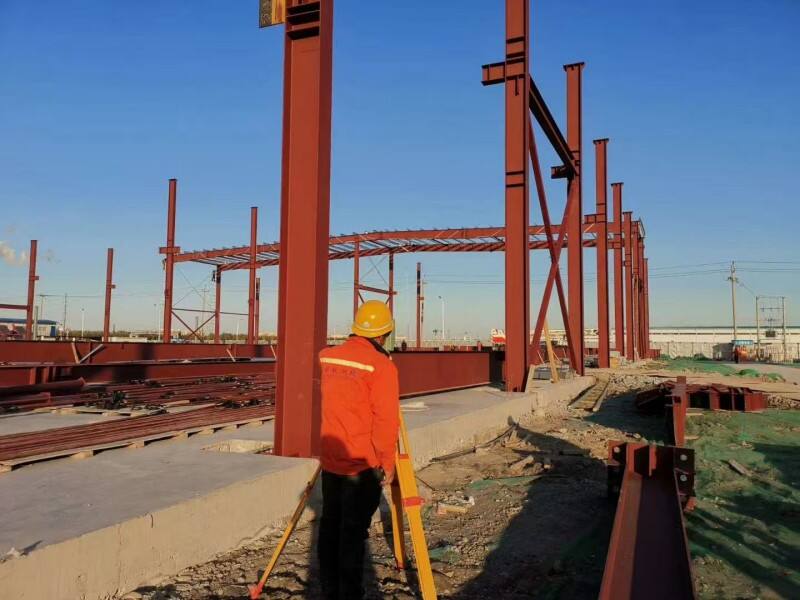
Steel structure projects typically involve spending money on three main areas: getting materials ready in workshops, designing the whole thing with engineers, and putting it all together at the actual site. When companies go with prefabricated solutions, they actually spend a lot less because factories can make standard parts with better accuracy and there's just not as much work needed once everything arrives on site. The numbers back this up too many industry reports show that prefab steel cuts down labor needs anywhere from 20 to 40 percent compared to old school construction methods. This happens mainly because there's less fixing things after mistakes happen and quality stays consistently good throughout production. Waste materials? That goes way down too about 2% instead of the usual 10-15% we see with traditional building approaches. And projects get finished faster around 6 to 9 months rather than taking forever which means businesses start making money sooner rather than later.
Measuring long-term value: adaptability, deconstruction reuse, and depreciation resilience
Steel buildings tend to offer better returns over their lifetime because they're flexible and built to last. The way these structures are put together makes it easy to take them apart and rearrange components when business needs change. When parts get removed from old projects, around 98% can actually be used again somewhere else, which saves money and cuts down on environmental impact. Steel doesn't rust or catch fire as easily as other materials either, so maintenance becomes necessary less often maybe around 30 to 40 percent less across many years. Plus, strong structural qualities sometimes lead to insurance savings between 15 and 25 percent for building owners. What's really interesting is how steel holds its value better compared to wood or concrete options. Buildings made with steel generally keep their worth longer thanks to reliable performance, simpler updates to meet changing regulations, and overall cheaper costs to own and operate throughout their lifespan.
Material Efficiency as a Core Driver of Steel Structure Cost-Effectiveness
Digital twin and CNC optimization: reducing fabrication waste by up to 18%
Using digital twin simulations allows for better material planning before any actual fabrication happens, creating virtual models that help figure out exactly how much steel will be needed before making those first cuts. When connected to CNC machines, this whole process gets pretty accurate cutting results, which means there's about 15 to maybe even 18 percent less waste happening (according to BIM Journal back in 2023). What really matters is that when designers work closely with automated systems, they save money on raw materials while also speeding things up since parts don't need so many fixes once installed on site. Take a standard sized commercial building around 10 thousand square feet for instance, and we're talking about recovering roughly three point two tons worth of steel. At today's prices, that comes out to somewhere close to nine thousand six hundred bucks saved just from what would otherwise go into the trash bin.
Design strategy trade-offs: minimum-weight vs. waste-minimizing approaches
Minimum-weight design prioritizes minimal steel per member, often yielding complex, irregular geometries that generate 22% more off-cuts than standardized layouts (Structural Engineering International, 2024). In contrast, waste-minimizing strategies optimize full-sheet nestingâeven if slightly increasing per-member steel useâto achieve near-zero scrap. The optimal path balances both objectives through:
- Lifecycle analysis comparing material savings against fabrication complexity and labor costs
- Standardized connection details, enabling efficient reuse of off-cuts across projects
-
Modular, repeatable framing systems, allowing entire sections to be repurposed during future renovations
This integrated approach reframes material efficiency not as a line-item cost reduction, but as strategic resource conservationâespecially valuable amid volatile steel pricing.
Risk Mitigation and Operational Savings from Steel Structure Design Choices
Corrosion resistance, fireproofing, and their impact on insurance premiums and maintenance frequency
Protective systems engineered into steel really boost its financial appeal. Take hot dip galvanization for instance it creates this tough barrier that stops corrosion dead in its tracks. Maintenance checks happen way less often too about two thirds fewer times compared to regular steel, and those pesky twice yearly fixes just disappear in harsh places like near the ocean. When it comes to fires, intumescent coatings plus cement based fire protection can hold up for over 120 minutes, which cuts down on the chance of total disaster. Insurance companies take notice too buildings with proper fireproofing usually get discounts on premiums somewhere between 15% and 25%. All these protections mean owners spend less money fixing things as they go along, keeping budgets stable instead of constantly patching problems. Plus facilities stay open even when there's a small fire incident, so business doesn't come grinding to a halt.
FAQ
What are the primary cost considerations in steel structure projects?
Steel structure projects primarily involve costs associated with fabrication, design, and erection. Prefabrication can significantly reduce these costs by cutting down labor and minimizing waste.
How do steel buildings offer long-term value?
Steel buildings offer adaptability and longevity. Their components can be reused in future projects, and they require less maintenance, providing better returns over their lifetime.
What role does digital twin technology play in steel structure projects?
Digital twin technology aids in precise material planning, helping reduce fabrication waste and save on raw materials, ultimately improving cost efficiency.
How do steel structures help in risk mitigation?
Steel structures are resistant to corrosion and fire, reducing the frequency of maintenance and offering lower insurance premiums, which leads to long-term operational savings.