 EN
EN

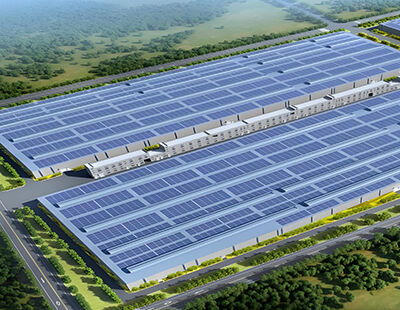
Unmatched Strength Properties of Steel Structure
Tensile and Yield Strength: Core Metrics Defining Load-Bearing Reliability
The reliability of steel structures comes down to two key mechanical traits: tensile strength, which is basically how much stress a material can handle before breaking, and yield strength, the point where permanent deformation starts happening. Most common structural steels have tensile strengths ranging between 300 and 600 MPa, with yield strengths typically around 140 to 350 MPa. These numbers let engineers build in proper safety margins when dealing with regular day-to-day stresses as well as extreme loading conditions. What makes steel so special compared to materials like plain concrete or wood is that it transitions gradually from elastic to plastic behavior rather than failing suddenly. Designers can count on this predictability when creating models for building performance. Take high rise buildings for example. The consistent nature of steel means they stay dimensionally stable even under massive dead loads plus all those people walking around and moving stuff, yet still allow for some controlled bending without catastrophic failure.
Performance Under Extreme Conditions: Seismic Resilience and Coastal Corrosion Resistance
Steel really shines in situations where conditions get tough on structures. The way it bends instead of breaking helps absorb shock from big quakes, letting buildings move around a bit without falling apart completely. That's why places like Japan rely so heavily on steel frames for their tall buildings, which have stood through some pretty massive earthquakes measuring over 8 on the Richter scale. Along coastlines, there's another trick called hot dip galvanizing that creates this protective layer against salty sea air. Structures treated this way can last well beyond half a century in harsh maritime climates. And when we throw in something called intumescent coating for fire protection, steel structures stay strong even at temperatures exceeding 600 degrees Celsius for as long as two whole hours. This makes steel especially valuable in areas prone to wildfires or typhoons where people need time to evacuate safely while the building holds together.
Design Versatility of Steel Structure Across Scales and Sectors
From Megatall Skyscrapers to Modular Industrial Facilities
The strength to weight ratio of steel opens up all sorts of possibilities for architects working at different scales. Think about how this material lets skyscrapers like the Burj Khalifa reach heights above 800 meters without needing massive foundations or worrying so much about sideways movement from wind forces. On the smaller side of things, prefabricated steel parts can speed up building factories and warehouses by around 30 to 50 percent compared to traditional concrete methods. These steel structures often span spaces over 100 meters wide without needing support columns inside, which gives businesses way more room to work with. Pre-engineered steel buildings take things even further by being made in factories according to standard designs. This approach cuts down on site labor costs, avoids those frustrating weather delays, and makes project timelines much more predictable. Plus, these buildings hold up well against rust and corrosion, making them ideal for places near saltwater coasts or industrial areas where harsh conditions would wear out other materials pretty quickly.
Enabling Adaptive Reuse and Architectural Innovation
Steel really changes how buildings last over time because it makes retrofitting possible while still letting for creative designs. When old warehouses get converted, reinforced steel beams and those moment frames fit right in without messing up the original look of the building. This adds extra floors and creates open spaces much faster than traditional methods would take. Architects love working with steel since it bends well and can be welded together easily. They create all sorts of interesting shapes these days like those diagonal grid exoskeletons we see sometimes, big cantilevers that stick out way too far, and even roofs that seem to float above everything else. The numbers are pretty impressive too – using lightweight steel instead of tearing down and rebuilding cuts carbon emissions by around two thirds. Plus, those bolted connections mean buildings can be changed later on when office layouts need updating or lab spaces require different configurations, all without having to worry about damaging the structure itself.
Key Engineering Advantages of Steel Structure
Superior Strength-to-Weight Ratio vs. Concrete and Timber
Steel structures have about 50% better strength relative to their weight compared to reinforced concrete, and they beat heavy timber by over five times in this metric. What does this mean practically? Lighter foundations are needed, buildings can span wider areas without columns getting in the way, and there's less total weight pressing down on everything. The bottom line for builders? They save between 15 and 30 percent on materials when going with steel instead of concrete options. Plus, architects love working with steel because it makes those dramatic open spaces possible – think grand atriums and massive warehouse-style floor plans. Looking at actual numbers tells us steel really stands out when we measure important construction factors:
| Material | Strength-to-Weight Ratio | Max Unsupported Span |
|---|---|---|
| Structural Steel | 1.5— Concrete / 5— Timber | 60–100 meters |
| Reinforced Concrete | Benchmark | 30–50 meters |
| Heavy Timber | Lowest | 15–25 meters |
These characteristics reduce dead loads by up to 40%, easing demands on substructures and lowering embodied energy across the building lifecycle (Engineering Journal, 2023).
Ductility, Fabrication Efficiency, and On-Site Assembly Speed
The ductile nature of steel means it can deform plastically when subjected to heavy loads, absorbing about three times more energy before breaking compared to brittle alternatives. This property makes steel a must-have material for buildings that need to withstand earthquakes. When fabricated off site, steel components offer better precision, consistent quality, and generate less waste overall. The connections between steel parts, whether bolted or welded, allow for quick assembly on site. Big construction projects often install anywhere from 500 to 800 tons of steel per week. Steel beats traditional cast-in-place concrete in several ways too. Projects typically finish 20% to 40% faster, save around 25% on labor expenses, and handle bad weather much better. These advantages translate into more reliable project timelines and budget predictability according to recent industry reports.
FAQ
What are the main strength properties of steel structures?
Steel structures are known for their tensile and yield strengths, crucial for load-bearing reliability. These properties prevent sudden failure and allow for planned and controlled deformation under loads.
How do steel structures perform under extreme conditions?
Steel performs exceptionally well in extreme conditions, such as during earthquakes, due to its ductility. It also resists coastal corrosion when galvanized, providing long-lasting durability.
Why is steel a preferred material in construction?
Steel is preferred for its unmatched strength-to-weight ratio, design versatility, and cost efficiency. It allows for large spans without columns and can be quickly assembled on-site, offering numerous architectural possibilities.