 EN
EN

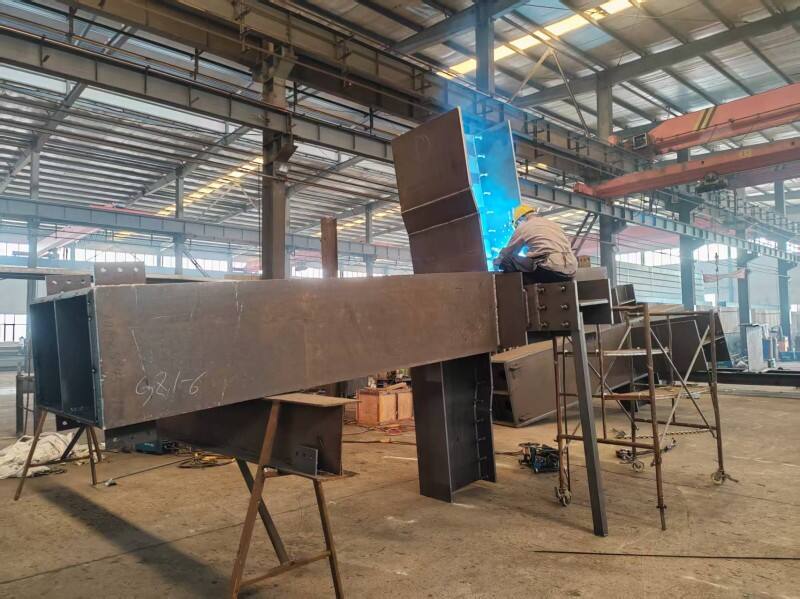
What Is a Steel Structure? Definition, Evolution, and Core Engineering Role
Steel structures form the backbone of modern construction, made up of connected steel parts including beams, columns, and various types of braces that hold everything together while keeping buildings, bridges, and factories stable. What makes these systems work so well? Steel has some pretty amazing qualities. It's strong yet lightweight, can bend without breaking, and about 98% of it gets recycled eventually. These characteristics let engineers create all sorts of interesting building shapes that would be impossible with other materials. Back in the 1800s, people started using steel more seriously after the Industrial Revolution made it easier to produce in large quantities. The famous Eiffel Tower built in 1889 was one of those turning points where steel went from just being extra support material to becoming the main structural element. Today's engineers rely on steel structures because they stand up better to weather and earthquakes, speed up construction since many components come pre-made, and help reduce long term costs. Studies show buildings with steel frames save around 20% on operating expenses over half a century compared to traditional methods, plus they emit less carbon during their entire lifespan. No wonder steel remains a go to choice for creating safe, flexible structures that will last decades in both city centers and manufacturing hubs.
Why Steel Structure Dominates Modern Infrastructure: Strength-to-Weight, Speed, and Sustainability
Strength-to-Weight Ratio: Enabling Skyscrapers, Long-Span Bridges, and Resilient Urban Frameworks
Steel’s unmatched strength-to-weight ratio—typically 400–550 MPa tensile strength—allows engineers to design taller skyscrapers and longer bridges while reducing foundation loads by up to 25%. Its ductility ensures reliable performance under seismic stress, making it the material of choice in earthquake-prone regions.
Accelerated Construction Through Prefabrication and Modular Steel Structure Assembly
Prefabricated steel components enable up to 30% faster project completion versus traditional materials. Off-site manufacturing under controlled conditions ensures millimeter precision, slashing on-site labor costs and minimizing weather-related delays—particularly valuable for rail terminals, logistics hubs, and emergency infrastructure deployment.
Sustainability Advantages: High Recyclability, Lower Embodied Carbon, and Lifecycle Efficiency
Steel can be recycled almost completely without losing quality, which means there's just not as much construction waste lying around anymore. The industry has made real progress too. Electric arc furnaces and new methods using hydrogen instead of traditional processes have slashed carbon emissions by half since back in 1990. Looking at buildings over their entire lifespan shows about 20% savings in operations costs across 50 years. And according to research from the Ponemon Institute in 2021, when buildings use better designed steel structures, they end up spending roughly $740k less on maintenance for each commercial property over time.
Steel Structure Applications Across Critical Infrastructure Sectors
Transportation Infrastructure: Bridges, Rail Terminals, and Airport Hangars
Steel forms the foundation of our transportation systems today. The material's impressive strength relative to its weight makes possible those massive bridges we see across rivers and valleys, structures that can handle both earthquakes and the constant pounding of heavy trucks day after day. When building rail yards, contractors often turn to pre-made steel frames because they speed up the whole process without sacrificing accuracy needed for proper train tracks alignment. Take airport maintenance hangars as another example. These buildings need vast open spaces inside, sometimes over 100 meters wide, to accommodate large planes. Steel delivers this space without columns getting in the way. Plus, airports deal with all sorts of environmental challenges like vibrations from landing jets and corrosive chemicals used during winter snow removal operations. And when airlines want to expand or modify their facilities quickly, steel structures respond well to these changes in design requirements.
Digital & Industrial Infrastructure: Data Centers, Power Plants, and Logistics Hubs
Steel plays a vital role in ensuring reliable operation across tech and industrial sectors. Take data centers for instance they need those heavy duty steel framed server rooms with super strong floors that can handle over 12 kN per square meter of equipment weight. Plus these spaces can be rearranged quickly when new IT requirements come along. For power generation facilities, steel really shines because it stands up well against fires and maintains stability even when temperatures inside turbine halls reach above 50 degrees Celsius. And let's not forget about logistics operations where companies are turning to modular steel construction solutions. These allow them to build massive warehouses that can be customized according to needs, and get completed around 30 percent quicker compared to traditional concrete structures. What's more, these steel buildings have been tested and proven to last at least 60 years even in places with lots of moisture in the air.
Future-Ready Steel Structure: Innovation in Design, Digital Integration, and Climate Resilience
The steel industry is seeing major changes driven by three key innovations that match what's happening worldwide with infrastructure needs. Topology optimization algorithms and other advanced design methods now cut down on materials used in steel structures by around 40 percent while still keeping everything strong enough. Companies are also integrating digital technology these days, embedding IoT sensors throughout buildings so they can track things like stress points, corrosion levels, and how weight distributes across different parts. This allows for predictive maintenance work that saves about a quarter of what would normally be spent over time maintaining those structures. When it comes to dealing with climate issues, newer alloys resist corrosion much better against harsh weather conditions. Plus, modular designs mean cities can rebuild faster after disasters hit. All told, these improvements bring down embodied carbon emissions by roughly 30% compared to old school methods, which helps meet those net zero goals many countries are pushing for. Some interesting hybrid solutions have emerged too. Take coastal steel structures designed specifically to double as habitats for marine life, creating artificial reefs at the same time. Research from civil engineers published recently in the ASCE Journal backs up this kind of environmental benefit. With climate change becoming something we just can't ignore anymore, steel remains a top choice because it can be recycled easily, manufactured precisely, and adapted structurally when needed. These qualities make it stand out as essential for building infrastructure that lasts through tough times but still stays green.
Frequently Asked Questions
What are the key advantages of using steel structures in construction?
Steel structures are favored for their strength-to-weight ratio, prefabrication benefits, and sustainability. They allow for taller and resilient buildings, faster construction processes, and lower carbon emissions due to recyclability.
How does steel contribute to sustainability in building infrastructure?
Steel is highly recyclable and energy-efficient to produce. Modern methods can reduce carbon emissions and construction waste significantly, making it an environmentally friendly material.
What are the common applications of steel structures?
Steel structures are widely used in transportation infrastructure like bridges and rail terminals, as well as digital and industrial sectors like data centers, power plants, and logistics hubs.
Table of Contents
- What Is a Steel Structure? Definition, Evolution, and Core Engineering Role
- Why Steel Structure Dominates Modern Infrastructure: Strength-to-Weight, Speed, and Sustainability
- Steel Structure Applications Across Critical Infrastructure Sectors
- Future-Ready Steel Structure: Innovation in Design, Digital Integration, and Climate Resilience
- Frequently Asked Questions