 EN
EN

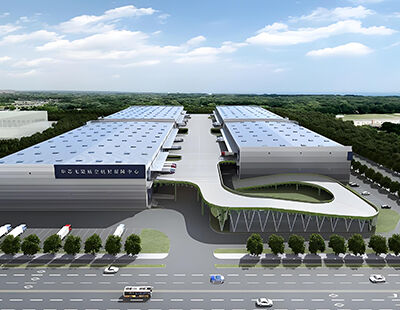
Steel Structure’s Embodied Carbon Advantage in Zero-Energy Design
High strength-to-weight ratio reducing material volume and foundation loads
The amazing strength to weight ratio of steel means we can actually cut down on how much structural material is needed, which lowers the carbon footprint for buildings aiming for zero energy consumption. When structures are lighter, foundations become smaller too. This cuts concrete usage by around 30% according to research from ASCE in 2022, and still keeps everything safe and secure. Delivering fewer materials also helps reduce transportation emissions by about 15%. Plus, when fabrication is done with precision, there's simply less waste at construction sites. What makes this even better is that these efficiencies start way back at the beginning. Less need for extracting and processing raw materials means the overall carbon impact from production all the way to site delivery gets significantly reduced.
Recyclability and circularity: steel’s role in lowering life-cycle carbon for zero-energy buildings
Steel stands out when it comes to supporting circular economy principles, since around 93% of structural steel gets recycled across the industry according to Steel Deck Institute data from 2023. Most other building materials lose their quality after being processed multiple times, but steel keeps all its strength no matter how many times it goes through the recycling loop. That means old buildings can literally be broken down and turned into brand new zero energy structures without any loss in performance. The shift toward electric arc furnaces for steel production is another big plus. These facilities are running on more renewable power these days, which helps reduce reliance on fossil fuels. Architects looking to minimize carbon footprints focus on several key areas: making sure buildings can be taken apart easily later, using standard sizes so components might find second homes elsewhere, and implementing digital tracking systems for materials. Putting all these approaches together results in significant reductions in embodied carbon for entire buildings compared to traditional methods, somewhere between 40% and maybe even 60% lower emissions overall.
Prefabricated Steel Structure Accelerating Zero-Energy Construction
Precision off-site fabrication minimizing waste, labor time, and on-site emissions
When it comes to zero energy buildings, prefabrication changes everything by moving most of the assembly work into factories where conditions are stable and predictable. With computer controlled cutting and welding processes, manufacturers can hit those tight tolerances that just aren't possible on construction sites. This precision cuts down on wasted materials too, saving about 30% compared to what happens when things are built directly at the job site. The modules themselves come either completely put together or partially finished, so when they arrive onsite, the actual building process goes much faster. Projects that used to take months now get done in weeks sometimes, depending on size. Faster completion means fewer man hours spent onsite, less equipment running around, and workers don't have to commute back and forth as often, all of which lowers emissions during construction. Factories also mean no more waiting for rain to stop or dealing with unexpected weather issues that cause delays and require fixing later. And while crews are preparing the actual construction site, the factory is already working on components, which helps push things along even more quickly. This whole approach lets energy efficient systems get up and running sooner, meaning buildings start making their environmental impact reductions much earlier than traditional methods allow.
Thermal Performance Optimization of Steel Structure Envelopes
Thermal break integration and insulated steel panels for high-performance building envelopes
Steel buildings actually perform well thermally because of how they're designed, not in spite of metal's natural conductivity. The trick is adding thermal breaks those non-conductive materials placed at important connection points that stop heat from moving through the structure. These breaks can slash energy losses through the building envelope by somewhere between 40 to 60 percent. When combined with insulated steel panels (ISPs) that have solid foam cores sandwiched between strong steel layers, these systems offer impressive insulation values reaching around R-8 per inch thickness while still holding up structurally. Prefabricated ISPs fix a big problem with traditional construction methods where thermal gaps often form. They create tight seals throughout the building envelope, something absolutely necessary for achieving those tough zero-energy standards regarding air leakage. Real world testing of these envelope systems shows that when done right, buildings need about 30% less heating and cooling overall compared to conventional approaches.
Resolving the thermal bridging challenge: best practices for steel structure energy efficiency
Thermal bridging in steel structures is addressable—not inevitable—with disciplined detailing:
- Continuous exterior insulation: ¥4 inches of rigid foam installed over the full steel frame eliminates framing-induced conductivity and stabilizes surface temperatures
- Thermal-break gaskets: Polymer isolators at bolted or welded connections reduce point transmittance by 50–70%
- Hybrid subframing: Strategic use of non-conductive materials (e.g., fiberglass or composite brackets) at wall-to-floor and roof-to-wall junctions interrupts heat flow paths
- Performance-based validation: Thermal modeling and infrared scanning during design identify bridging risks early—preventing an estimated 80% of field corrections
Together, these practices enable steel-framed walls to exceed R-30 whole-wall performance, satisfying Passive House benchmarks while preserving steel’s durability, fire resistance, and end-of-life recyclability.
Steel Structure as a Platform for Renewable Energy Integration
Steel buildings offer something really valuable when it comes to putting in place on site renewable energy systems, which is pretty much necessary if we want to hit those net zero goals. These structures can handle the weight of big solar panels on rooftops plus little wind turbines too, all without needing extra support work. Plus, the way they're made lets us position these panels just right so they catch the sun better and produce more electricity. Steel frames are built to last over time with consistent loads, so engineers can actually plan for renewable installations right from the start of construction instead of having to do expensive fixes later on. Special coatings help protect against rust, making sure these systems keep working well even near coasts or places with lots of moisture where solar panels tend to perform best. What's interesting is that because steel frames come with standard attachment points and work well with common mounting equipment, older buildings already framed in steel can easily get upgraded with solar panels, electric vehicle chargers, or storage batteries. This makes the shift toward energy neutral buildings happen faster than people might expect.
FAQ Section
What is the strength-to-weight ratio of steel?
The strength-to-weight ratio of steel is a key factor that allows for reduced structural material, cutting down the overall carbon footprint of zero-energy buildings.
How does steel support recyclability and circularity?
Steel supports recyclability and circularity with a recycling rate of approximately 93% across the industry, maintaining its strength through multiple recycled life cycles.
How does prefabrication contribute to zero-energy construction?
Prefabrication accelerates zero-energy construction by minimizing waste, labor time, and on-site emissions through precision off-site fabrication of components.
How is thermal performance optimized in steel structures?
Thermal performance of steel structures is optimized through thermal break integration, insulated steel panels, and disciplined detailing to resolve thermal bridging.
What makes steel structures good platforms for renewable energy integration?
Steel structures can support significant solar and wind installations due to their strength and design, facilitating the integration of renewable energy systems.