 EN
EN

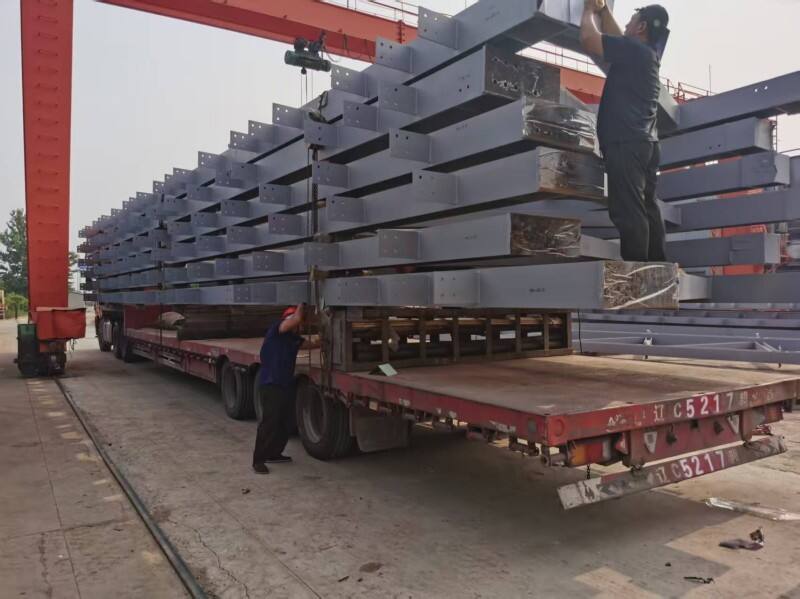
Selecting Corrosion-Resistant Steel Materials for Coastal Environments
Performance Comparison: Hot-Dip Galvanised Steel, Galvalume, and Stainless Steel 316L in Marine Exposure
Coastal steel structures require materials engineered to withstand salt spray, high humidity, and atmospheric chlorides. Three primary options demonstrate distinct performance characteristics in marine exposure:
- Hot-Dip Galvanised Steel: Zinc coating provides sacrificial protection, but corrosion rates accelerate significantly in splash zones. Expected lifespan is 15–25 years in moderate marine environments, with maintenance typically required after year 10.
- Galvalume (55% Al-Zn alloy): Aluminum enhances barrier protection, reducing rust progression by ~50% compared to standard galvanisation and extending salt-spray resistance threefold. However, cut edges remain vulnerable without supplementary sealing.
- Stainless Steel 316L: Molybdenum-enriched alloy delivers exceptional resistance to pitting and crevice corrosion. In continuous marine exposure—particularly ISO 9223 CX-classified zones—it maintains structural integrity for 50+ years, with measured corrosion loss of less than 0.1 mm/year (per ASTM G48 testing).
Critical Consideration: While stainless steel 316L offers superior longevity, its 4–6× higher material cost necessitates rigorous lifecycle cost analysis—especially for large-scale infrastructure where upfront investment must be weighed against decades of reduced maintenance and replacement risk.
Matching Steel Structure Material to ISO 9223 Corrosivity Classes (C4, C5, CX)
Material selection must align precisely with ISO 9223 environmental classifications to prevent premature degradation:
| Corrosivity Class | Environmental Conditions | Recommended Materials | Service Life Target |
|---|---|---|---|
| C4 | Moderate salinity (100–500 mg/m²/day salt) | Galvalume with sealant treatments | 25–35 years |
| C5 | High salinity (500–1500 mg/m²/day salt) | Stainless steel 316L for joints and critical connections | 35+ years |
| CX | Extreme marine (offshore/constant splash) | Full 316L structural components | 50+ years |
In CX environments, structures tend to corrode at rates around 17 times faster compared to those located inland according to recent findings from NACE in 2023. Localized areas such as weld points, crevice spaces, and protected joints frequently face conditions worse than what standard zone classifications suggest, making detailed microenvironment assessments really important for proper protection planning. When dealing with mixed exposure situations like C5 transitioning into CX zones, thermal spraying of aluminum provides a solid workable solution on site. These coatings fill the gap between regular protection methods and complete replacement with stainless steel options, offering good protection while keeping costs reasonable for many industrial applications.
Applying High-Performance Protective Coatings to Steel Structure Surfaces
Epoxy Primers, Zinc-Rich Paints, and PVDF Topcoats: System Compatibility and Salt Fog Resistance
Coastal steel structures really need multi-layer coating systems since both barrier integrity and electrochemical protection have to work together properly. Let's break it down: epoxy primers stick like crazy and resist chemicals pretty well. Then there's those zinc-rich paints that actually protect metal surfaces by sacrificing themselves first through what they call cathodic protection. And finally, PVDF topcoats stand out because they handle UV light and salt fog better than most options around today. Tests show these coatings can last way past 3,000 hours according to standards set by ISO 12944:2019. The thing is though, if different layers don't play nice together chemically, problems start showing up fast when exposed to ocean conditions. We've seen cases where incompatible materials started peeling off after just a few months in the marine environment. That's why getting all components to work as intended matters so much for long term durability.
| Coating Layer | Function | Salt Fog Resistance |
|---|---|---|
| Zinc-rich primer | Galvanic protection | 1,500+ hours |
| Epoxy mid-coat | Barrier protection | 2,000+ hours |
| PVDF topcoat | UV/weather resistance | 3,000+ hours |
Surface Preparation Best Practices: Why SA 2.5 Blast Cleaning Is Non-Negotiable for Steel Structure Longevity
Protective coatings simply won't work properly unless the surface has been prepared according to ISO 8501-1 SA 2.5 standards, commonly known as Near-White Metal. When we talk about this level of blasting, it basically strips away everything from mill scale and rust to oils and other contaminants. It also creates a consistent anchor pattern between 50 and 85 micrometers thick, which is really important because it allows the coating to stick better mechanically and achieve adhesion strength over 5 MPa. What's left behind after blasting should be minimal staining, no more than 5% at most, so there aren't any spots where corrosion could start underneath the film. Real world testing shows coatings on SA 2.5 surfaces tend to last around three times longer in harsh marine conditions compared to coatings applied to surfaces cleaned just with hand tools. Cutting corners here or using lower quality preparation will break down the whole protection system. No matter how good the coating itself is, it can't make up for a poorly prepared surface.
Designing Steel Structure Details to Prevent Corrosion Acceleration
Eliminating Stagnant Water Traps and Ensuring Self-Draining Geometry in Connections and Joints
Steel structures near coastlines don't usually corrode because the materials themselves fail. More often than not, it's poor design that keeps moisture trapped in place. Think about those little gaps between parts, where joints overlap, flat areas that collect water, and sections covered with caps. All these spots hold onto salty water, which builds up chloride concentrations and creates harsh chemical conditions right there on the metal surface. That's what starts the whole corrosion process going. To prevent this from happening, good design matters a lot from day one. Engineers should make sure every horizontal part has at least a 15 degree slope so water can run off properly. Connections need to be designed with drainage in mind too. Some important details to consider when planning these structures include proper slopes for horizontal components and ensuring connection points won't become water traps over time.
- Avoiding enclosed box sections or capped profiles where water pools
- Designing lap joints with continuous, unobstructed drainage paths
- Specifying radiused corners—not sharp angles—in weld transitions and joint details
- Eliminating horizontal ledges on brackets, supports, and access platforms
Such drainage-focused detailing reduces measured corrosion rates by 40–60% in ISO 9223 C5-M environments. By preventing sustained electrolyte retention, these measures disrupt the electrochemical corrosion cycle at its source—extending inspection intervals, deferring maintenance, and preserving structural capacity where salt spray exposure is unavoidable.
Maintenance and Inspection Protocols for Long-Term Steel Structure Integrity
Keeping steel structures intact along coastlines requires regular maintenance based on actual data, not just fixing problems after they happen. The salt air out there really speeds things up - corrosion happens about 5 to 10 times faster compared to what we see inland. That means getting ahead of issues is absolutely essential. Start checking twice a year for signs of trouble like weak welds, damaged coatings, and places where water tends to collect. Older buildings (those over 15 years) or ones sitting in those harsher ISO 9223 C5/CX areas need even closer attention, maybe every three months instead. Every few years, around 3 to 5 years mark, it pays off to bring in specialized equipment for tests that don't damage the structure itself. Ultrasonic thickness measurements work wonders for figuring out how much material has been lost at important connection points. And while doing all this, keep an eye on three main numbers that tell us if everything's still within safe limits:
- Coating degradation per ASTM D610 (rust rating)
- Atmospheric chloride deposition (mg/m²/day), measured via ion chromatography
- Anode depletion in cathodically protected systems
Good maintenance logs need to track every action taken, including when surfaces get blasted back to SA 2.5 standards before applying new coatings. The records should also tie together what was found during inspections with weather conditions at the time, helping predict when next maintenance might be needed. Replacing things like bolts, gaskets, and drain parts ahead of schedule during dry periods cuts down on unexpected breakdowns. According to a report from NACE in 2022, companies using digital tracking systems saw their equipment last almost 34% longer compared to those just winging it. Set specific limits approved by engineers too. For instance, if corrosion gets deeper than half a millimeter, it's time to reinforce plates somewhere. And always demand proper documentation for any structural fixes that need doing.
FAQ
How does stainless steel 316L compare to galvanized steel in coastal environments?
Stainless steel 316L offers superior resistance to pitting and crevice corrosion and can maintain structural integrity for over 50 years even in extreme marine conditions. In contrast, hot-dip galvanized steel may require maintenance after 10 years and has an expected lifespan of 15-25 years in moderate marine environments.
What are the recommended materials for different ISO 9223 corrosivity classes?
For C4 environments, Galvalume with sealant treatments is recommended with a service life target of 25–35 years. Stainless steel 316L is advisable for C5 environments, especially for joints and critical connections, with a target of 35+ years. In CX environments, full 316L structural components are recommended, aiming for over 50 years.
Why is surface preparation important before applying protective coatings on steel structures?
Surface preparation is crucial to ensure coating adhesion and effectiveness. Preparing the surface according to ISO 8501-1 SA 2.5 standards helps remove contaminants, providing better mechanical adhesion. Coatings on well-prepared surfaces last significantly longer in marine environments compared to those on inadequately prepared surfaces.
How often should maintenance checks be performed on coastal steel structures?
For newer structures, checks should be done twice a year. For older structures (older than 15 years) or those in harsh environments, inspections should be more frequent, potentially every three months. Regular maintenance helps extend the structure’s life by preventing corrosion-related issues.