 EN
EN

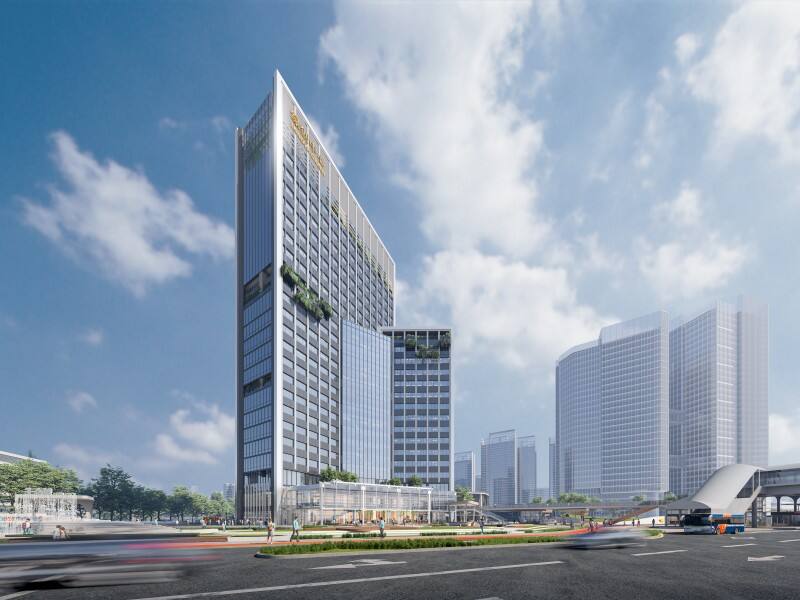
Why Differential Settlement Threatens Steel Structure Integrity
When parts of a building's foundation sink at different rates, it creates serious problems for steel structures because steel doesn't bend easily. Wood frames can handle some settling since they're more flexible, but steel needs everything lined up just right to carry weight properly. Even small shifts in the ground, sometimes less than half an inch, put way too much stress on those stiff steel beams. This extra pressure can break welds that weren't meant to take so much force, make columns buckle unexpectedly, or warp whole sections of the building frame. As these stresses build up over years, they mess with how forces travel through the structure and speed up wear and tear at critical points where components join together. Steel simply isn't designed to absorb or redirect these kinds of ground movements without getting damaged somewhere. Fixing the damage from differential settlement typically costs around $740,000 according to industry reports from 2023. That kind of money makes it clear why preventing these issues should be a top priority for anyone involved in construction projects.
Key Root Causes: Soil Behavior, Water Management, and Construction Practices in Steel Structure Sites
Steel structure foundation settlement arises from three interdependent factors: soil composition, hydrological conditions, and site execution quality. Addressing these root causes early is essential to preserving long-term structural performance.
Expansive or Weak Soils Undermining Load Distribution in Steel Structure Foundations
Clay soils found in dry and semi-dry areas have this annoying habit of expanding when wet and contracting when dry, which creates all sorts of problems for steel columns sitting on them. The pressure shifts back and forth, causing headaches for engineers. Then there's the issue with weak soils like loose sand or organic silt that just give way over time under constant weight, making footings settle at different rates. Look out for warning signs: gaps forming at the edges where soil has shrunk away from concrete footings, unpredictable how loads get transferred down to solid ground, and sideways movement beyond about 1.5 inches according to those boring geotech reports nobody really reads. Fixing these issues after they happen is expensive business. Industrial steel structures typically cost around $740,000 to repair once damage occurs, according to Ponemon's 2023 data. That's why proactive measures like soil nailing, grouting techniques, or going deeper with foundations make so much sense financially speaking.
Inadequate Drainage and Poor Compaction During Steel Structure Site Preparation
Water getting into the ground is probably the number one reason why steel buildings settle too soon. When the land around a building isn't graded right or drains get clogged, rainwater ends up pooling near the foundation instead of running off. This makes the soil underneath soggy and weak, unable to support the weight properly. Another big issue comes from poor earthwork practices. If the dirt isn't packed down enough during construction, little air pockets form in the soil. These pockets slowly collapse as the building sits on them for years. Common mistakes we see all the time? Slopes that actually push water toward foundations instead of directing it away, completely skipping perimeter drainage systems, and failing to compact the soil to at least 95% of what's considered standard in the industry. Studies looking at actual construction sites show these bad practices lead to about six out of ten foundation repair jobs down the road.
Effective Remediation Strategies for Steel Structure Foundation Settlement
Push and Helical Piers: Precision Underpinning for Load-Bearing Steel Columns
Steel structures dealing with either ongoing or past settlement issues often benefit from push and helical pier systems that provide lasting stability solutions. These foundation repair techniques work by moving structural weight away from unstable soils toward solid bedrock or compacted earth below. The push piers get pushed down using hydraulic force until they reach resistance point, while helical piers rely on monitoring torque levels as they twist their way into place. What makes these installations special is how little disturbance they cause during setup. There's hardly any shaking or digging involved, so nearby buildings and utilities stay intact, plus the structures start bearing weight right away after installation. According to research published last year by some structural engineers, these methods corrected about 98 percent of settlement problems at various industrial sites. Made from steel that resists rusting, these piers keep everything aligned properly for those heavy duty steel columns where even tiny misalignments can compromise connections between components.
Polyurethane Foam Injection for Targeted Soil Stabilization Beneath Steel Framing
Injecting polyurethane foam provides quick fixes for settling issues under steel frame slabs and around footing areas without major disruptions. The high density resin comes in two parts and swells about 20 to 30 times when injected into the ground. This expansion packs down loose soil, fills empty spaces, and slowly raises the concrete back into place. What makes this method so good is that it lifts things up without harming any steel reinforcement or nearby structural components. Plus, it forms a barrier against moisture which helps prevent further damage from water over time. Best part? Technicians only need tiny holes, about an inch wide, to get the job done. No need to tear things apart or shut operations down for days on end. According to field reports from geotechnical engineers, this approach solves roughly nine out of ten slab settlement problems within just two days. Contractors love using it in tricky situations too, like fixing floors in active factories where workers are still moving around, or near important utility lines that can't be disturbed during repairs.
Preventive Best Practices for Future Steel Structure Projects
Geotechnical Investigation and Load-Adapted Foundation Design for Steel Structures
A thorough look at the ground conditions forms the base for any strong steel building design. Before starting on foundations, engineers need to run standard tests like SPTs, CPTs, plus lab work checking how sensitive the soil is to moisture changes and what kind of shear strength it has. All this information helps pick the right approach for each site. For example, when dealing with consistent soil types, reinforced spread footings often work best. If the ground varies a lot across different layers, then micropiles or caissons might be better choices. And when facing expansive clay soils, mat foundations tend to perform well. Designers should remember that structures have to handle more than just regular weight loads. Environmental factors matter too. Freeze thaw cycles, wet dry periods, and even possible seismic activity can all affect how soil behaves over time. According to recent industry standards from ASCE, around two thirds of foundation problems actually come down to poor soil analysis before construction begins. Keeping quality control tight during concrete pouring and reinforcing steel work remains essential. Third party inspections help make sure what was planned on paper becomes real in practice.
Continuous Monitoring and Early Intervention Protocols for Steel Structure Foundations
Monitoring structures in real time through devices like tiltmeters, strain gauges and settlement benchmarks lets engineers spot tiny foundation movements at the millimeter level before they start messing with steel connections or changing how buildings frame themselves. The system works so when certain limits get crossed, automatic warnings kick off standard procedures. For minor slab issues, technicians inject polyurethane into problem areas. When columns show signs of drifting, they adjust piers with pinpoint accuracy. Regular visual checks every three months back up these digital systems. These checks look at whether drains are working properly, spot any erosion spots or standing water, and watch for plant growth or grading changes that might impact underground moisture levels. According to research from NIST in 2023, around 40% of settlement problems that could have been prevented actually happen because of water getting where it shouldn't. That makes checking those drains regularly one of the most cost effective things building managers can do. Using this two pronged approach cuts down on maintenance expenses by roughly three quarters compared to waiting until something breaks before fixing it. Plus buildings last about 15 to 20 extra years with this kind of proactive care.
FAQ
What is differential settlement in steel structures?
Differential settlement occurs when parts of a building's foundation sink or shift at different rates, causing stress and potential damage to steel structures which are less flexible.
How can soil conditions affect steel structure foundations?
Soil conditions like expansive clays and weak soils can cause uneven load distribution, leading to differential settlement and potential damage to the structure.
What preventive measures can be taken for steel structure foundations?
Conducting thorough geotechnical investigations, designing load-adapted foundations, ensuring proper drainage and compaction during construction, and regular monitoring of foundation conditions are effective preventive measures.
What remediation strategies can be applied to address settlement issues?
Techniques like push and helical piers, as well as polyurethane foam injection, can stabilize and correct settlement problems in steel structures.
Why is drainage important for steel building foundations?
Proper drainage prevents water from pooling around foundation areas, which can weaken the soil and lead to premature settling of the structure.
Table of Contents
- Why Differential Settlement Threatens Steel Structure Integrity
- Key Root Causes: Soil Behavior, Water Management, and Construction Practices in Steel Structure Sites
- Effective Remediation Strategies for Steel Structure Foundation Settlement
- Preventive Best Practices for Future Steel Structure Projects
-
FAQ
- What is differential settlement in steel structures?
- How can soil conditions affect steel structure foundations?
- What preventive measures can be taken for steel structure foundations?
- What remediation strategies can be applied to address settlement issues?
- Why is drainage important for steel building foundations?