 EN
EN

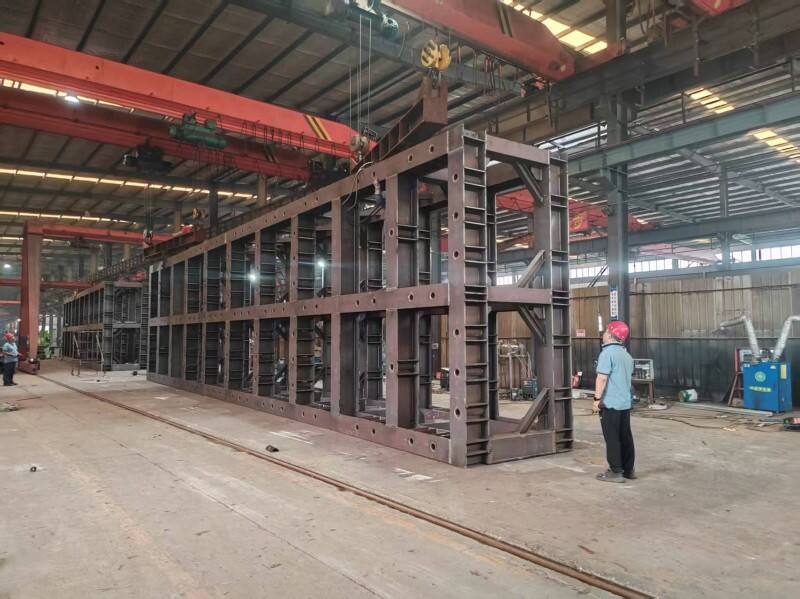
Prefabrication and Modular Construction in Steel Structure Delivery
How Off-Site Fabrication Accelerates Steel Structure Projects by 30–50%
Steel structures get delivered differently when we use prefabrication methods because most parts get made in factories where conditions are stable and controlled. What happens is that while workers prepare the foundation at the actual building site, other teams can already be working on fabricating modules back at the factory. This cuts down on those annoying delays that come from having to wait for one step before starting another. With CNC machines doing the cutting and robots handling the welding jobs, mistakes on site drop significantly. Industry reports show around a 47 percent reduction in errors compared to old fashioned methods. Rainy days and snow storms don't really slow things down anymore since most work has already been completed offsite. Assembly goes much quicker too many prefab steel buildings finish between 30 to 50 percent faster than regular construction projects. The logistics side works better too all components arrive ready to install in the right order so there's no messy pileup of materials waiting around. Plus, fewer workers needed onsite means less risk of accidents and generally smoother operations overall. These advantages make prefabrication particularly attractive for companies needing buildings up and running quickly whether they're setting up new factories or expanding retail spaces.
Precision, Scalability, and Cost Efficiency of Prefabricated Steel Structures
When production happens in controlled factory environments, steel parts come out with near-perfect measurements that really boost how strong the structures are and make bolting together onsite much easier. The standardized modules mean buildings can grow either horizontally or vertically whenever needed, all without stopping operations during expansion. According to a recent industry study from 2023, using prefabricated components cuts down material waste around 23 percent compared to old school construction methods, which obviously helps reduce environmental footprint as well as initial spending. Another big plus for modular steel buildings is their adaptability over time. Companies can change layouts and integrate new equipment throughout the life of a building without major disruptions. Putting most of the work into factories rather than on site typically brings down overall costs somewhere between 15 to 20 percent, and these savings don't compromise safety standards either. Buildings still meet all requirements for earthquake resistance and weight capacity despite the cost reductions.
BIM Integration for End-to-End Steel Structure Engineering
Building Information Modeling (BIM) revolutionizes steel structure delivery by unifying design, engineering, and construction in a single digital environment. Real-time data sharing across disciplines eliminates silos, strengthens structural coordination, and optimizes resource use.
Clash Detection and Cross-Disciplinary Coordination in Steel Structure Design
The 3D visualization feature of BIM allows teams to spot potential clashes long before breaking ground. For instance, it can catch problems where beams might interfere with ductwork installations. Fixing these spatial conflicts in virtual models saves money that would otherwise go to expensive on site corrections. According to some industry research, this approach cuts down rework expenses by around 15 percent. When everyone works from the same updated central model, architects, engineers and contractors all stay on the same page regarding versions. This consistency speeds up approval processes and keeps those complicated steel construction projects moving forward without unnecessary holdups.
From BIM Models to Automated Fabrication: Streamlining the Steel Structure Workflow
Precise BIM data feeds directly into CNC cutting and welding systems, converting 3D models into machine instructions. This digital thread automates:
- Component dimensioning with millimeter accuracy
- Material optimization through nesting algorithms
- Quality validation via embedded tolerance checks Automated workflows accelerate production by 30–40% while eliminating translation errors between shop drawings and fabrication. Fabricators use BIM-derived sequencing data to coordinate just-in-time deliveries—synchronizing logistics with on-site assembly and creating a cohesive, end-to-end steel construction ecosystem.
Designing Adaptable and Future-Proof Steel Structures
Reconfigurable Layouts and Load-Bearing Flexibility Across Building Lifecycles
Steel buildings have something special going for them when it comes to adaptability. With their open span frames and modular approach, they let businesses change things around inside without needing major structural work. Think about how commercial properties need to switch from offices to retail stores or warehouses over time. Steel makes this possible because it doesn't lock everything in place like concrete does. The material itself has such great strength relative to its weight that we can create spaces over 30 meters wide without those annoying columns getting in the way. When designing these structures, engineers build in extra connection points and reinforce foundations beyond what's strictly necessary. Why? Because nobody knows exactly what kind of equipment or expansion might come along 20 years down the road. And here's another advantage: those modular parts speed up renovations tremendously. Prefab beams and panels just get taken apart and moved somewhere else within weeks instead of months. This cuts downtime for businesses by roughly half according to industry data. Over the long run, all this flexibility means property owners spend about 25 to 35 percent less overall while generating far less construction waste compared to traditional methods.
Sustainable Resilience and Smart Systems in Modern Steel Structures
Seismic, Wind, and Climate-Responsive Detailing for High-Performance Steel Structures
Steel buildings today are built with resilience against various hazards. When it comes to earthquakes, engineers use special connections and damping systems that can cut structural damage down significantly, maybe around 40% according to some studies. For wind resistance, designers incorporate aerodynamic shapes and stronger joints capable of handling hurricane strength winds. Climate factors also get attention through features like thermal expansion joints and coatings that resist corrosion, allowing these structures to perform reliably from temperatures as low as minus 40 degrees Celsius all the way up to 50 degrees. All these improvements mean that modern steel structures can last well over fifty years even in harsh conditions. Plus, because materials are used more efficiently and components are made to last longer, there's actually less waste generated during construction and maintenance phases compared to older methods.
Embedded Sensors, Adaptive Facades, and Integrated MEP in Steel Structure Frameworks
Modern steel structures are starting to incorporate IoT sensors that track things like stress levels, temperature changes, and structural deformation in real time. This allows building managers to spot potential issues long before they become serious problems. The same goes for those smart facades we're seeing more of lately with their automatic shading systems. These can really slash HVAC costs, somewhere around 15 to maybe even 30 percent depending on location and climate. Another cool development is when mechanical, electrical, and plumbing (MEP) systems get built right into the structural framework itself. This not only saves space but also makes installation much quicker for contractors. When all these technologies work together, buildings start behaving almost like living organisms, adjusting themselves based on what's happening outside. The result? Lower bills for building owners, happier occupants enjoying better indoor environments, and overall improved green credentials for the property as well.
FAQ
What are the benefits of using prefabrication in steel construction?
Prefabrication offers a faster construction process with fewer errors, reduced labor needs, and enables work to continue during adverse weather conditions. It also leads to cost savings and minimizes on-site accidents.
How does Building Information Modeling (BIM) enhance steel structure delivery?
BIM unifies design, engineering, and construction in a digital environment, enhancing coordination, identifying potential clashes before construction, and optimizing material usage.
Can modular steel structures be expanded easily?
Yes, due to their standardized modules, modular steel buildings can easily expand horizontally or vertically without halting operations, allowing for long-term adaptability.