 EN
EN

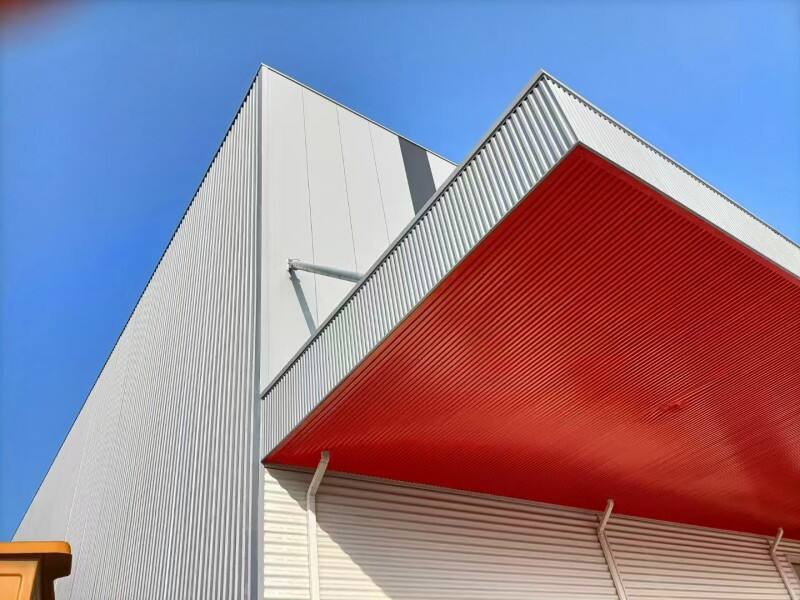
Ensuring Structural Integrity: Load Analysis and Stability Principles
How Variable Loads (Wind, Seismic, Snow) Dictate Structural Behavior
Environmental loads like wind, earthquakes, and snow play a huge role in how steel buildings perform and need careful consideration during the design phase. Wind creates side pressure that puts extra strain on connections and framing systems. Earthquakes bring those sudden ground movements that demand special bracing solutions and shock-absorbing details built right into the structure. Snow is another tricky factor too. When it piles up unevenly across roofs, especially after storms, it creates these concentrated weight spots that can overwhelm even well-designed structures. We've seen this happen time and again where roofs collapse because nobody accounted for those weird snow drift patterns nobody expected. Since weather conditions change so much from one place to another, local knowledge matters a lot. Coastal areas need to factor in hurricane winds according to ASCE 7-22 guidelines, whereas mountains require strict adherence to snow load requirements outlined in IBC 2021 codes. Modern digital tools let engineers run simulations of terrible scenarios combining different hazards at once (think wind plus snow or earthquake plus fire) which helps identify weak points early on so we can reinforce those critical joints before breaking ground.
Core Design Principles: Strength, Stiffness, and Stability in Steel Structure Building
Resilient steel buildings rely on three main factors working together: strength, stiffness, and stability. Strength means parts can handle loads without bending or breaking permanently. Stiffness keeps things from sagging too much during normal use, which matters both for how well the building functions and looks good. Stability stops structures from collapsing either overall or in specific areas, especially important for tall thin columns where Euler's theory comes into play. When engineers choose materials like high strength ductile steel (ASTM A992 being a common choice), they get better resistance to tension forces. Proper bracing makes a big difference too. Triangular arrangements tend to cut down sideways movement by around 40% compared to buildings without any bracing at all. Columns need just the right amount of slenderness to avoid buckling problems. Connections between different parts act as critical points where forces transfer through the structure. Take earthquake zones for instance, special moment connections there are built to bend in controlled ways so they absorb shock without damaging the main framework. These relationships between materials and connections aren't random happenstance. They form the foundation of what makes steel structures truly robust.
Compliance and Safety Integration Across the Design Workflow
Harmonizing AISC, IBC, and Eurocode 3 for Global Steel Structure Building Projects
When working on global steel structures, engineers need to carefully coordinate between several key standards. These include the AISC 360-16 from the American Institute of Steel Construction, the latest International Building Code (IBC 2021), and Eurocode 3 from Europe. Safety is definitely at the top of everyone's list, but each standard approaches it differently. The AISC specification focuses heavily on load-and-resistance factor design with those calibrated resistance factors we all know about. Meanwhile, the IBC brings in hazard-based zoning considerations like seismic design categories and those wind speed maps that can drive anyone crazy. Eurocode 3 takes things further by requiring explicit fire resistance checks and incorporating partial safety factors based on how variable materials actually are in practice. During early design phases, structural engineers have to work around these differences by tweaking things like member sizes, connection details, and overall system choices. For example, base isolation systems become necessary in areas with high seismic activity governed by Eurocode regulations, whereas similar regions in the US might rely more on traditional moment frame designs. What happens next isn't really about compromising standards but layering interpretations on top of each other. Engineers apply whatever requirements are most strict within relevant sections of the codes while still keeping construction feasible and budgets under control.
Embedding Safety Checks from Conceptual Design to Shop Drawing Approval
Safety validation must be embedded—not appended—at every stage of the design workflow. Early concept models undergo automated buckling and stability checks within BIM-integrated analysis platforms. In detailed design, three critical verifications are mandatory:
- Connection slip resistance under cyclic loading (per AISC 360 Chapter J)
- Redundancy in lateral-force-resisting systems—ensuring no single failure triggers collapse
- Constructability constraints, including weld access, bolt torque sequencing, and erection sequencing
Final shop drawings require third-party review and formal stamping confirming compliance with all governing codes. This proactive, phase-gated approach reduces fabrication-phase change orders by 40%, according to the American Society of Civil Engineers' 2023 benchmark study—demonstrating that embedded safety directly improves schedule reliability and cost control.
Material Selection and Quality Assurance for Long-Term Performance
ASTM Grade Impacts: Ductility Trade-offs Between A992 and A572 in Seismic Zones
When picking materials for areas prone to earthquakes, engineers need to think about how much something can stretch before breaking rather than just how strong it is. Take ASTM A992 steel for example; it stretches quite a bit more than ASTM A572 Grade 50 steel. We're talking about 18% strain at fracture compared to only 16%. This extra flexibility helps create those predictable plastic hinges when the ground shakes, allowing the building to absorb energy instead of cracking suddenly. Experience from after major quakes tells us this makes a real difference. Buildings framed with A992 tend to have far fewer sudden breaks. On the flip side, A572 has a stronger start point (50 ksi versus A992's 42-50 ksi range), so it works well for lighter structural elements where earthquake forces aren't as intense. That's why many buildings in places like the central US go with A572. But don't get me wrong; there's no one size fits all approach here. Engineers in California almost always reach for A992 because they know their buildings need to deform safely during big tremors. Meanwhile, folks designing buildings inland might prefer A572 when the balance between strength and weight helps achieve certain design goals without sacrificing safety.
Redundancy and Robustness: Optimizing Material-Connection Synergy in Steel Structure Building
Real structural strength doesn't come from making each part super strong on its own, but rather building in extra layers throughout how materials connect together. The connections themselves are made stronger than needed usually around 25% to 50% beyond what the main components can handle so that even when something gives way under stress, there's still a path for forces to travel through. When combining tough steel grades such as ASTM A913 Grade 65 with those special bolts that resist slipping, structures become much more resilient against failure. This matters a lot in areas hit by hurricanes since these buildings face constant back-and-forth winds that test everything day after day. Checking quality isn't just about spot checks either. We run ultrasonic tests on important welds, keep detailed records from the mills where steel comes from, and make sure all welding methods have been tested beforehand to catch any hidden problems early. After big disasters, researchers looked at what happened and found something interesting—buildings built this way had about three times less complete collapse incidents during serious earthquakes and storms compared to others. So redundancy isn't just theory anymore; it works in practice too.
Adapting Foundations and Systems to Environmental and Regional Demands
Building foundations made of steel need to match exactly what kind of environment they're going into. It's not just about the soil type either. We have to consider all sorts of regional factors that put stress on structures over time. Sandy soils call for deep piers or drilled shafts so they can hold up properly against both vertical loads and sideways forces. When dealing with expansive clay soils, engineers often install perimeter drains around the foundation, add moisture barriers, and sometimes even use post tensioned beams along the ground surface to stop uneven settling. For buildings in earthquake-prone areas, special base isolation systems help separate the main structure from violent shaking movements. These systems actually cut down on damaging forces reaching the building by roughly half to three quarters according to real world tests. Coastal construction requires extra protection against corrosion right from the start. Techniques like installing sacrificial zinc anodes, coating rebars with epoxy, and mixing concrete with materials resistant to chloride intrusion significantly increase how long these foundations last before needing repair. Foundations in cold climates must go deeper than the frost line to avoid problems caused by freezing ground. Meanwhile, in dry regions where temperatures swing dramatically day to night, footings should include expansion joints that let the structure move naturally without cracking. All these adjustments affect everything above ground too. They determine what kinds of connections get used between structural components, specify which materials are appropriate for different parts of the building, and shape maintenance plans for years ahead. Getting this stuff right during initial site investigations and early design stages saves money later on and keeps buildings standing strong through whatever their environment throws at them over decades.
FAQ
Why is local knowledge important in structural design?
Local knowledge is crucial because environmental loads like wind, earthquakes, and snow vary significantly from one region to another. This affects how structures are designed and reinforced to withstand different weather conditions.
What materials are often used in steel structures in seismic zones?
In seismic zones, materials like ASTM A992 are preferred because of their ductility, allowing the structure to absorb seismic energy without sudden failure.
How do standards like AISC, IBC, and Eurocode 3 impact global projects?
These standards ensure that safety and compliance are met across different regions, with each having specific requirements for load, safety checks, and building resilience.
What role does redundancy play in structural integrity?
Redundancy ensures that if one part of the structure fails, other elements can still support the load, making the structure more robust overall.