 EN
EN

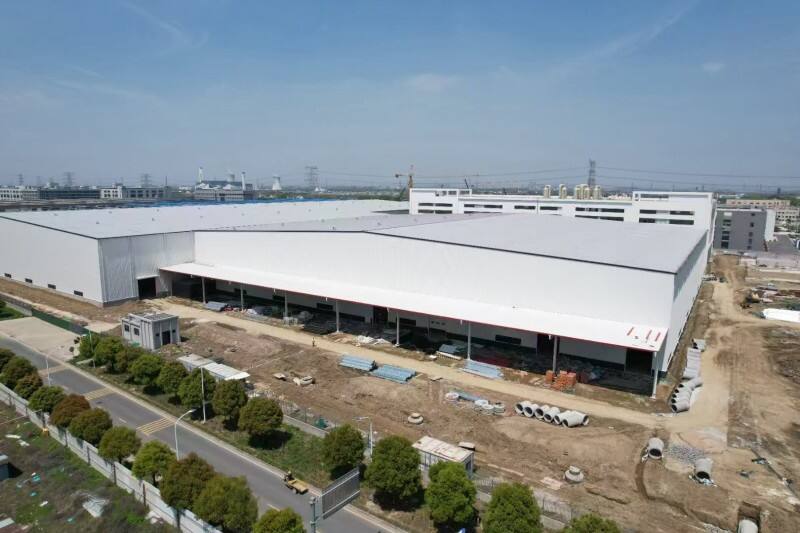
Structural Flexibility of Steel Structure Building for Biophilic Design
Leveraging steel's strength-to-weight ratio for expansive glazing and column-free interiors
The remarkable strength compared to its weight makes steel a game changer for architects wanting big glass facades and interiors that stretch over 30 meters without columns getting in the way. What this means is better support for designs that bring nature inside through maximum daylight. Research indicates that when buildings get enough natural light, they can cut down on energy usage by around 40 percent according to a study from the US Department of Energy back in 2022. Plus, people actually feel better in these lit up spaces. Steel frames handle all that heavy glass without needing those annoying support structures that block views outside. And because steel doesn't warp much over time, it keeps curtain walls and window systems aligned just right which matters a lot for keeping buildings energy efficient when they're designed to work with their surrounding environment.
Modular steel framing enabling adaptable, nature-connected spatial layouts
Steel prefabs make it much easier to change around interior spaces as needed for things like growing plants inside or adding water features. The modular approach cuts down on time spent adapting buildings by about 60 percent compared to regular construction methods when we want to install living walls or those light redirecting panels. With this kind of flexibility, architects can actually move courtyards and atriums around depending on where the sun hits during different seasons. Construction crews have noticed something interesting too: when they retrofit green systems into steel framed buildings instead of concrete ones, there tends to be roughly 30% less need for structural changes. This happens because steel components come with standard connections and known weight limits that just work better for these kinds of projects.
Steel Structure Building as Enabler of Biodiversity-Integrated Infrastructure
Supporting green roofs, vertical gardens, and façade-integrated ecosystems
Steel structures give buildings the strength needed when bringing nature into city environments. They can hold up heavy green roofs that might weigh around 100 kg per square meter, and special coatings protect against rust in damp areas where regular materials would fail fast. What makes steel really stand out is how flexible it is structurally. This allows architects to create those cool cantilevered parts for vertical gardens and living walls without worrying about structural problems, turning ordinary buildings into places where plants and animals actually thrive together. According to research from the EPA back in 2022, these green additions can cut down on urban heat islands by about 3 degrees Celsius, plus they handle rainwater better too. The modular nature of steel parts means installing things like irrigation lines and root barriers becomes much easier work, which explains why so many cities are finding ways to retrofit older buildings with sustainable features despite tight space constraints.
Real-world application: Urban steel-framed buildings with certified habitat features
More cities are turning to steel buildings when they want those third party habitat certifications on their projects. Take Milan for instance where they built these twin towers with literally thousands of plants growing right on the steel framed balconies. There's around 900 trees mixed in with 20,000 other plants creating little ecosystems that actually attract about 20 different types of birds. The whole thing got a LEED Gold rating because it really boosted biodiversity in the area, especially helping pollinators grow by nearly a third. Steel works great for these kinds of green spaces since it can support all sorts of terraces and even special spots where birds can nest safely. Plus, these steel structures last much longer than regular buildings and need way less upkeep too. Maintenance costs drop by roughly 40%, which makes sense when thinking about how often traditional designs require repairs and replacements.
Energy Performance Synergies in Nature-Integrated Steel Structure Building
Passive design integration: daylight optimization, natural ventilation, and thermal bridging mitigation
Steel buildings offer remarkable energy savings when designed with passive biophilic approaches. The slim frames allow for larger windows compared to walls, which brings in plenty of natural light during the day. This means offices need less artificial lighting, cutting electricity costs by around 40% according to studies, plus it makes people inside feel better overall. Steel construction also helps with air flow because the structures are so precise. Doors and windows can be placed exactly where needed to catch the wind, reducing reliance on air conditioning systems by roughly 25 to 30% in moderate climates. Thermal bridging is another issue worth mentioning since regular buildings lose about 10 to 15% of their heat this way. But steel buildings handle this problem much better thanks to special insulation layers and built-in breaks between materials that stop heat transfer. All these features work together to keep indoor temperatures stable without burning through energy. As a result, steel structures typically consume about 20% less energy than standard buildings while still meeting all regulatory requirements. What's really impressive is how these buildings combine environmental benefits with spaces that actually feel good to occupy.
Frequently Asked Questions (FAQ)
What are the energy savings associated with steel structure buildings?
Steel structure buildings designed with biophilic elements can cut electricity costs by around 40%, due to enhanced natural light and ventilation integrations.
How does steel facilitate biophilic design?
Steel's strength-to-weight ratio allows for expansive glazing and column-free interiors, optimizing daylight usage and enhancing natural views.
Can steel structure buildings support green roofs and vertical gardens?
Yes, steel provides the required strength for heavy green roofs and supports cantilevered structures essential for vertical gardens and living walls.
Why are cities opting for steel-framed buildings?
Cities choose steel-framed buildings for habitat-friendly certifications and energy efficiency, as seen in Milan's twin towers boasting enhanced biodiversity and LEED Gold rating.