 EN
EN

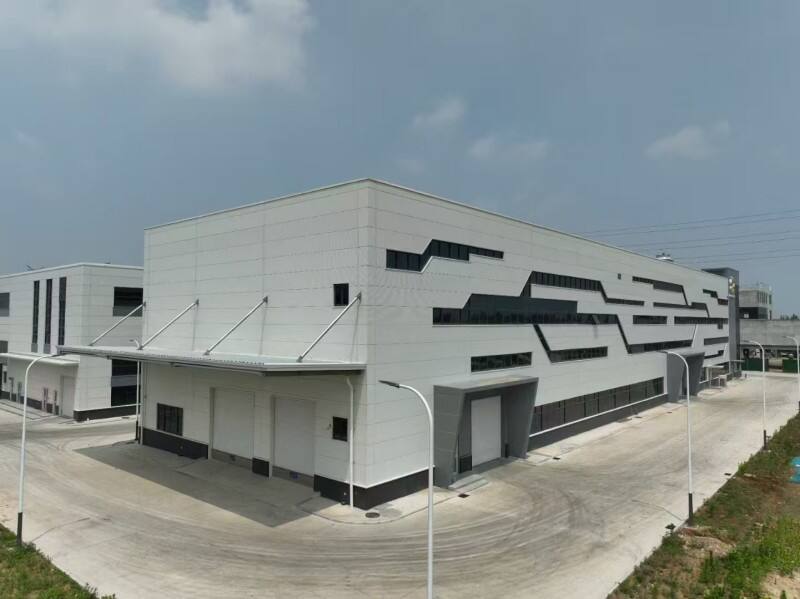
Safety-First Foundations: Why Steel Structure Buildings Excel in Child-Centric Environments
Seismic, Fire, and Extreme Weather Resilience for Early Childhood Facilities
Steel buildings offer exceptional protection against nature's threats, which matters a lot in places like daycare centers where kids are most at risk. Steel frames can actually bend during earthquakes without falling apart completely, cutting down the chance of collapse by around 70% when compared to things like old brick walls or regular wooden frames that just crack and break. Another big plus? Steel doesn't burn, so there's nothing there to feed a fire. The NFPA and UL folks have tested this stuff, and their reports show steel buildings hold up 2 to 3 times longer in fires than similar wood constructions. When it comes to bad weather, steel buildings built to code standards can handle tornado conditions and stand up to winds blowing over 150 miles per hour. That's pretty important since almost 4 out of 10 childcare facilities across America sit in areas prone to strong winds or tornadoes. The whole building works together as one unit too, connecting roof, walls, and foundation so all those forces from storms, heavy snow (sometimes over 50 pounds per square foot!), or shaking earth get spread out safely. Best part? All these safety features work automatically without needing extra systems like sprinklers or generators, so they stay dependable even when everything else might fail during an emergency.
Child-Specific Safety Enhancements: Pest Resistance, Non-Toxic Finishes, and Structural Integrity
Steel buildings offer protection that goes beyond just surviving disasters. They actually create safer environments specifically for kids based on how their bodies work and what they do every day. Steel that resists termites means no need to apply pesticides either to the ground or inside the structure itself. This gets rid of a known way that harmful chemicals can get into children's systems, which has been connected to problems with development during those critical early years. The coatings used on these steel structures, whether powder coated or baked enamel, follow strict standards (ASTM D3451) that limit volatile organic compounds to under 5 grams per liter. These finishes help maintain good indoor air quality while still lasting a long time. Plus, the whole structure stays strong and stable because of these additional protective measures built right into the design.
- Impact-resistant wall panels, tested to ASTM E1886/E1996 for debris impact resistance, safeguarding against accidental collisions from active play;
- Factory-fabricated rounded corner profiles, eliminating sharp edges that pose laceration or impact injury risks;
- Non-porous, seamless surfaces, which inhibit mold growth by over 80% compared to porous substrates like drywall or insulation-backed gypsum (per ASHRAE Standard 160). Continuous steel members also preclude hidden cavities—common in wood stud walls—where pests, moisture traps, or concealed hazards could develop. The result is a fully visible, inspectable, and maintainable environment built to the zero-tolerance safety standard required for early learning spaces.
Developmentally Intelligent Design: Spatial Flexibility and Acoustic Well-Being in Steel Structure Buildings
Steel structure buildings uniquely support cognitive, social, and sensory development through intentional spatial design and evidence-based acoustic control—both made possible by steel’s structural efficiency and dimensional precision.
Clear-Span Interiors and Zoned Learning Areas for Age-Appropriate Play and Exploration
The strength to weight ratio of steel allows for interior spaces without columns stretching over 100 feet, which gives teachers much more freedom when designing classrooms. With this kind of architectural flexibility comes the ability to create different areas inside the same room. We see things like quiet spots for reading, special corners for sensory activities, tables where kids work together on projects, and open areas for physical play all existing side by side in one versatile environment. According to recent studies based on ECERS-3 ratings from 2023, having these clearly marked learning zones actually helps young children stay focused better, with improvements around 38% in attention span for those under five years old. Teachers find they can change how the classroom looks every week or even throughout seasons, focusing on baby movement development during one period and group activities for older preschoolers another time, all while keeping everything safe and structurally sound. This kind of adaptable space makes sense for early childhood education because it matches what experts at NAEYC recommend about teaching practices that fit child development stages, allowing schools to keep pace with new ideas in teaching methods as they emerge.
Acoustic Optimization Strategies for Noise Control in High-Traffic Steel Learning Spaces
Excessive noise impedes language acquisition, increases cortisol levels, and disrupts self-regulation in young children. Steel structures enable precise acoustic engineering—not despite the material, but because of it. Key strategies include:
- Insulated composite wall and roof panels, incorporating mineral wool cores tested to ASTM C423, achieving Sound Transmission Class (STC) ratings of 55+ and absorbing over 70% of mid-to-high-frequency ambient sound;
- Resilient channel ceiling systems, decoupling acoustically absorptive gypsum or fabric-wrapped panels from the structural steel frame to break vibration paths and reduce structure-borne noise transmission;
- Integrated absorptive finishes, such as cork flooring (ASTM E90-compliant) and perforated metal ceilings with fiberglass backing, lowering reverberation time by 50% versus bare concrete or tile—enhancing speech intelligibility critical for language development. Peer-reviewed findings in the Journal of Environmental Psychology (2022) confirm children in acoustically optimized early learning environments exhibit 27% fewer stress-related behaviors—including vocal outbursts and withdrawal—compared to untreated spaces. Critically, steel’s non-porous envelope also prevents interstitial mold growth behind walls, preserving both IAQ and acoustic performance over decades.
Health-Centered Operations: Indoor Air Quality, Durability, and Low-Maintenance Benefits of Steel Structure Buildings
Mold Prevention, IAQ Management, and Hygienic Non-Porous Surfaces Enabled by Steel Construction
The fact that steel is inorganic and doesn't absorb moisture means it gets rid of two big problems that hurt indoor air quality: holding onto water and releasing harmful VOCs. Regular building stuff like wood, drywall paper, carpets with their backing layers, or glues all soak up water somehow. Steel just sits there and doesn't care about getting wet, so mold has nowhere to grow. According to ASHRAE Standard 160, walls made with steel can cut down on humidity levels at surfaces by around 35 percent, which makes it really hard for fungi to take hold even when the air is damp. Plus, steel's smooth surface doesn't let microbes stick to it or form those pesky biofilms, so hospitals can clean these areas thoroughly without worrying about damaging the material. Tests from UL 2187 show that rooms with steel interiors have over 60% fewer places where allergens like dust mites and spores can hide compared to materials that are porous. Cleaning takes less harsh stuff too since there's nothing to replace once it gets worn out, meaning workers aren't exposed to as many toxins during maintenance. Steel lasts well over 75 years with basically no upkeep except checking occasionally. This long-lasting nature keeps things hygienically stable, something pediatricians recommend for reducing asthma triggers and allergies among kids in daycare centers and schools.
Future-Ready Scalability: Modular Steel Structure Buildings for Adaptive, Growing Child-Care Ecosystems
Steel buildings offer something special when it comes to lasting strength mixed with quick adaptability, which is really important for daycares dealing with changing numbers of kids, new rules from regulators, and different teaching approaches over time. With prefabricated steel parts that just need bolting together, adding classrooms, sensory rooms, or even outdoor learning spaces takes weeks instead of months. Some research from AISC back in 2023 showed these projects finish about 30 to 50 percent faster compared to traditional wood or concrete block construction methods. What makes this system work so well? Non load bearing walls made of steel can actually be moved around without needing extra support, letting facilities change layouts as needed. One month they might have separate areas for babies, the next they could transform into interactive play zones for toddlers. The building itself has built in expansion points and standard connections throughout, so any changes still meet safety standards for earthquakes and fires right out of the box no need for expensive upgrades later on. Plus, since roughly 90 percent of structural steel gets recycled across North America according to Steel Recycling Institute data from last year, these buildings help cut down on construction waste while keeping carbon emissions low. All this means money stays in the hands of educators rather than going toward constant rebuilding efforts, allowing them to focus resources where they truly count: creating quality programs that respond effectively to young children's needs.
FAQ
Why are steel buildings considered safe for child-centric environments?
Steel buildings are safe due to their seismic, fire, and extreme weather resilience, offering protection against earthquakes, fire hazards, and strong wind conditions without needing additional safety systems.
How do steel buildings contribute to a healthy learning environment?
Steel buildings have non-toxic finishes and pest-resistant features, ensuring air quality and structural integrity while reducing exposure to harmful chemicals and pesticides.
What benefits do steel buildings provide in terms of spatial and acoustic design?
They allow clear-span interiors and zoned learning areas, supporting developmental needs and minimizing noise with acoustically engineered spaces that improve focus and stress levels among children.
Can steel buildings be modified easily to accommodate growth in childcare centers?
Yes, steel buildings offer modular designs with parts that can be easily assembled or reconfigured, allowing quick and cost-effective expansion to adapt to changing childcare needs.
Table of Contents
- Safety-First Foundations: Why Steel Structure Buildings Excel in Child-Centric Environments
- Developmentally Intelligent Design: Spatial Flexibility and Acoustic Well-Being in Steel Structure Buildings
- Health-Centered Operations: Indoor Air Quality, Durability, and Low-Maintenance Benefits of Steel Structure Buildings
- Future-Ready Scalability: Modular Steel Structure Buildings for Adaptive, Growing Child-Care Ecosystems
-
FAQ
- Why are steel buildings considered safe for child-centric environments?
- How do steel buildings contribute to a healthy learning environment?
- What benefits do steel buildings provide in terms of spatial and acoustic design?
- Can steel buildings be modified easily to accommodate growth in childcare centers?