 EN
EN

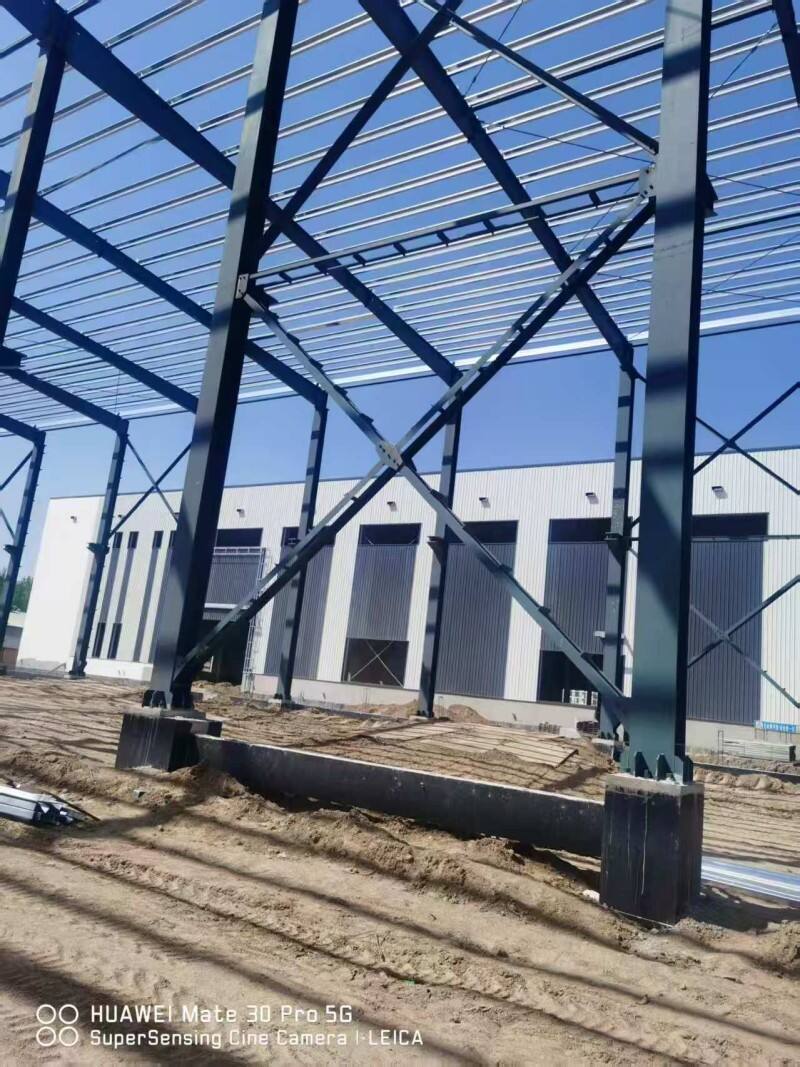
Daylighting Strategies Optimized for Steel Structure Buildings
Fenestration Integration with Steel Building Envelopes
Putting windows in the right spots on steel buildings really helps get more natural light inside while keeping temperature swings under control. Windows facing south catch those nice low winter sun angles which warms things up passively, cutting down on electric lights by around 40% in some cases. When designing these systems, there are several important factors to think about. Frames need breaks in them to stop heat from leaking through, special glass coatings help manage how much heat comes in, and everything has to work together so it can handle strong winds too. A study from Solar Energy Research back in 2023 showed that when buildings have their windows positioned correctly, they use between 34% and 67% less electricity for lighting each year in factories and warehouses. Adding light shelves along with shiny walls and ceilings spreads daylight further into rooms, making the whole space brighter and more even without complicating the basic steel structure.
Tubular Daylighting Devices (TDDs) for Industrial Steel Structure Buildings
TDD systems bring natural light into large steel spaces where regular windows or skylights just aren't practical. The way these work is pretty cool actually they take sunlight and bounce it down through special reflective tubes so even deep inside manufacturing areas, there's still good lighting levels around 300 lux or better. One big plus is no heat escaping through the roof because of those sealed flashings, plus there's protection against UV damage that can wreck expensive machinery over time. Another thing worth mentioning is how small they are each unit takes up less than two square feet, which means almost nothing extra for the building structure. Warehouses with really tall ceilings over thirty feet benefit especially well from groups of these TDDs since they light up all corners without leaving shadowy spots. Plus, they cut down on air conditioning costs by about 19% compared to old school skylights. And the modular setup makes expansion easy when businesses grow or change layout requirements down the road.
High-Performance Glazing and Translucent Systems for Steel Structure Buildings
Skylights and Clerestories for Maximum Daylight Penetration in Large-Span Steel Structures
Steel construction allows skylights and clerestories to bring natural light into big spaces without needing columns everywhere. These features are typically placed close to the highest point of the roof where they can gather soft, scattered daylight throughout the whole year. The light spreads out nicely over large areas while still keeping the building strong and stable. Today's designs incorporate aluminum frames that have thermal breaks between sections. This helps stop moisture from forming on surfaces and keeps heat loss at around 0.30 or better, which matters a lot in places with lots of humidity or changing temperatures. Warehouses that get their orientation right and add proper shading can cut down on electric lights by as much as 80%. This shows just how well natural light collection works together with the open space possibilities that steel buildings naturally offer.
Translucent Polycarbonate and FRP Panels: Thermal, Structural, and Aesthetic Fit for Steel Structure Buildings
Polycarbonate and fiberglass reinforced polymer panels provide a good middle ground for steel buildings when it comes to durability, insulation, and how everything looks together. These materials are super tough too, standing up to impacts around 200 times stronger than regular glass would handle. That means they can take whatever Mother Nature throws at them, including heavy snowfall that weighs down over 1.5 kPa on the roof. When using multi wall designs, we get insulation values hitting about 3.5 R, which cuts down heat moving through steel frames by roughly 40 percent compared to old school single pane options. At just under 3 kilograms per square meter, installation is straightforward on normal purlin systems without needing extra support structures. The light coming through is spread out evenly so there's no harsh glare issues but still plenty of visibility inside. Plus, the panels come in various finishes that match right in with metal building exteriors. What makes these panels really valuable though? They stop almost all UV rays from getting through, protecting stored goods, machinery parts, and interior surfaces from fading or degrading over time in warehouses and factories.
Energy-Efficient Artificial Lighting Integration in Steel Structure Buildings
LED Fixture Selection and Strategic Placement for High-Ceiling Steel Structure Buildings
Steel buildings where ceilings go over 8 meters benefit greatly from high bay LED lights (150W plus) that have good beam control. These lights create even lighting across large spaces without needing as many fixtures as traditional options. Heat handling matters too. The industrial quality housing helps dissipate heat properly, which keeps these lights working longer despite the big temperature changes often seen in warehouses or other steel structures without climate control. When installed correctly - lining them up parallel to work areas and keeping about 12 feet between each light relative to mounting height - they cut down on shadow spots and make surfaces around people 60% brighter than old metal halide systems, per a recent study from Facility Energy in 2023. Getting this right cuts down on electricity costs for lighting by roughly 40%, meaning businesses see their investment pay off quickly while workers can actually see what they're doing better.
Smart Lighting Controls and Daylight Harvesting Systems for Steel Structure Buildings
Smart wireless lighting controls make it much easier to install these systems in steel buildings since there's no need to run wires through main structural beams. The daylight sensors placed near those high windows and skylights automatically adjust LED brightness to keep lighting levels steady throughout the day. According to Lighting Efficiency Analysis from last year, this setup can save between 25 and 35 percent on yearly electricity bills. When it comes to spaces that aren't used all the time like storage areas or meeting rooms, occupancy zoning really helps cut down on wasted energy from lights left on when nobody's around. Big companies looking at whole-building management need their control systems to work smoothly with existing building automation setups using standards like BACnet or Modbus. Getting these different systems to talk to each other properly makes everything scale better and gives facility managers one place to monitor all operations.
Thermal, Moisture, and Structural Considerations for Lighting Installations in Steel Structure Buildings
When adding lighting to steel structures, builders need to think seriously about heat movement, water control, and how strong the whole thing remains. Steel conducts heat really well, which means lights can create these hot spots around them. Without proper insulation or special gaskets between the light and the steel, heating and cooling systems might have to work 15 to 25 percent harder than normal. Water gets in everywhere too, especially where there's lots of humidity or frequent cleaning. This water speeds up rust formation right at those electrical connections. That's why good quality IP65 seals matter so much, along with vapor barriers that meet ASTM standards. From a structural standpoint, putting heavy lights on thin steel parts can cause problems down the road. The steel might bend under weight or develop stress points unless we install distribution plates or plan carefully around existing supports like purlins and spacers. Condensation issues shouldn't be overlooked either. Steel surfaces that aren't insulated tend to hit their dew point about twice as fast as properly insulated ones, which creates serious risks for electrical shorts. For this reason, lighting plans should always consider the building's overall environment, making sure materials work together, details are precise, and everything stands up over time.
Frequently Asked Questions
What are the key considerations when integrating daylight systems in steel structure buildings?
When integrating daylight systems, consider window placement, frame breaks, glass coatings, and wind handling. It's crucial to ensure these elements work together seamlessly.
How do Tubular Daylighting Devices (TDDs) benefit steel structure buildings?
TDDs efficiently bring natural light into steel spaces, maintain good lighting levels, and reduce air conditioning costs without compromising the building's structure.
What are the advantages of using translucent polycarbonate panels in steel buildings?
Polycarbonate panels offer durability, insulation, and aesthetic compatibility with steel buildings, along with impact resistance and UV protection.
How does smart lighting control enhance lighting efficiency in steel structure buildings?
Smart lighting controls use daylight sensors and occupancy zoning to manage electricity efficiently, reducing energy waste and integrating smoothly with building automation.
Table of Contents
- Daylighting Strategies Optimized for Steel Structure Buildings
- High-Performance Glazing and Translucent Systems for Steel Structure Buildings
- Energy-Efficient Artificial Lighting Integration in Steel Structure Buildings
- Thermal, Moisture, and Structural Considerations for Lighting Installations in Steel Structure Buildings
-
Frequently Asked Questions
- What are the key considerations when integrating daylight systems in steel structure buildings?
- How do Tubular Daylighting Devices (TDDs) benefit steel structure buildings?
- What are the advantages of using translucent polycarbonate panels in steel buildings?
- How does smart lighting control enhance lighting efficiency in steel structure buildings?