 EN
EN

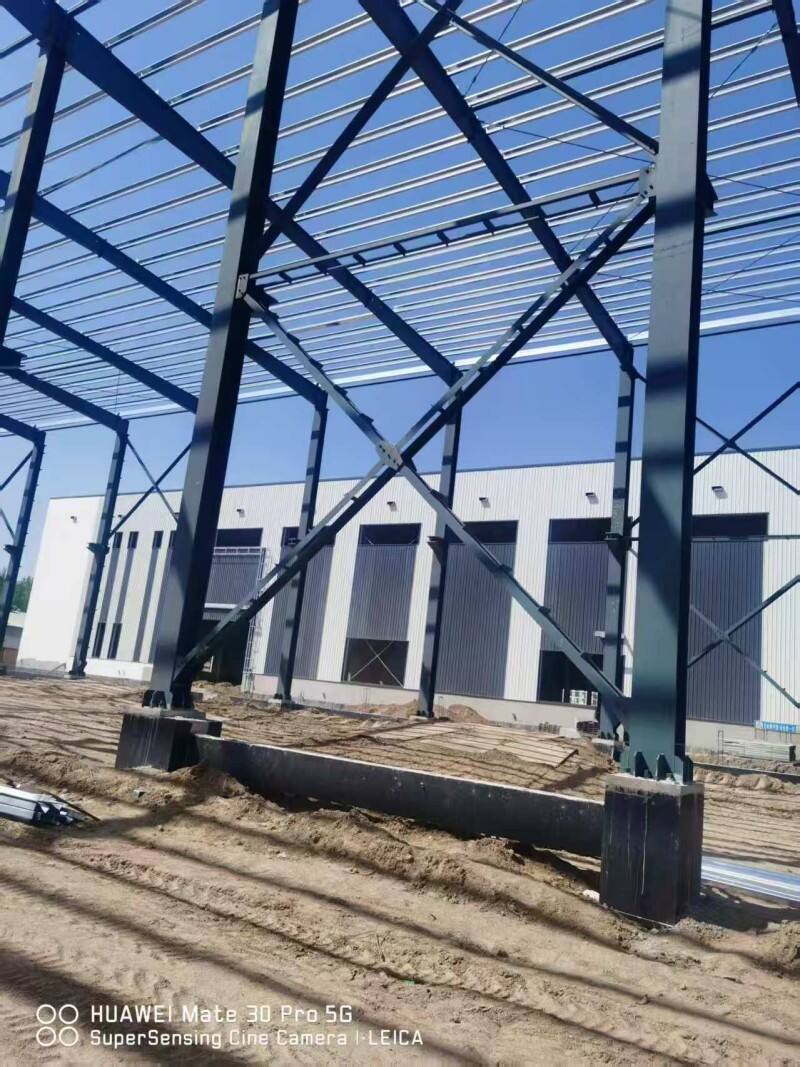
Key Seismic-Resistant Systems in Modern Steel Structure Buildings
Steel Braced Frames: Buckling-Restrained vs. Conventional Bracing
Steel buildings today are turning to buckling restrained braces or BRBs as a better option when it comes to standing up against earthquakes. Regular bracing systems tend to just give way all at once when compressed, but BRBs work differently. They put a flexible steel piece inside a steel tube filled with concrete. This setup stops the whole thing from collapsing and lets the material bend back and forth predictably during tremors. Tests have found that these special braces actually soak up around eight times the earthquake energy compared to standard ones. The result? Buildings stay standing even after big quakes and need far fewer repairs afterward. Some estimates suggest repair bills drop somewhere between 30 and 40 percent when BRBs are installed properly.
Eccentrically Braced Frames and Bolted Shear Links as Dissipative Elements
In eccentrically braced frames (EBFs), engineers install bolted shear links at an angle between beams and columns. These components act like sacrificial fuses that get damaged first during seismic events. When earthquakes strike, the shear links deform in a controlled way, taking the hit so the main structural frame stays intact. Studies show buildings with EBF systems tend to have around 60% less leftover movement after shaking compared to traditional moment frames. What makes this system particularly valuable is that when those shear links take damage, they can simply be unbolted and swapped out quickly. For places where operations must continue even after disasters, like hospitals or emergency response centers, this means getting back online much faster. The ability to repair rather than rebuild entire structures represents a major advantage in designing resilient steel buildings for long term performance.
Real-World Validation: Performance of Steel Structure Buildings in Major Earthquakes
2010 Maule Earthquake (Chile): Low Damage in Code-Compliant Steel Frame Buildings
When the massive 8.8 magnitude Maule earthquake hit Chile, steel frame buildings built according to modern seismic standards held up surprisingly well. According to FEMA's assessment after the quake, most steel structures that followed building codes actually suffered very little real structural damage. What did get damaged were things like walls, ceilings, and other parts not critical to keeping the building standing. Steel has this amazing property where it can bend and twist without falling apart completely. That's why so many of these buildings stayed upright and functional even during such a powerful tremor. The fact that most occupants could still go about their business right after the shaking stopped shows just how effective good steel construction practices are at protecting people and maintaining normal operations when disaster strikes.
2016 Kumamoto Earthquake (Japan): Rapid Repair and Replaceability in Practice
After the big Kumamoto quakes back in 2016 (a 7 on Japan's scale), steel buildings showed their stuff when it came to bouncing back quickly. The Architectural Institute of Japan actually tracked this and found something interesting. Steel structures that used bolts instead of welds, plus those with modular parts like replaceable shear links, got fixed way faster than concrete buildings nearby. Some reports say they were restored in about half the time. What really matters here is how steel lets engineers pinpoint where damage happened and just replace specific parts rather than tearing everything down. This means less downtime for businesses and communities, and saves money on rebuilding costs over time.
Lifecycle Resilience: Balancing Upfront Investment and Long-Term Value in Steel Structure Buildings
Steel buildings offer real money savings over time beyond just being safer structures. Sure, upfront costs might be higher than traditional building materials, but think about it long term. Steel lasts forever basically because it doesn't rot, corrode, or get eaten by bugs. Most steel structures can stick around for half a century or more with minimal upkeep. When earthquakes hit, steel buildings actually perform better too. The way they're built allows them to bend without breaking during tremors, which means less damage overall. That translates to lower repair bills after disasters and getting back online faster. Studies looking at total costs over many decades repeatedly find that steel beats concrete options by roughly 20 to 30 percent. Why? Fewer fixes needed, easier upgrades when required, longer useful life, plus the fact that old steel can be recycled rather than ending up in landfills. Smart property owners know this already. They see steel not just as construction material but as an investment that turns earthquake protection into actual dollars saved throughout the building's whole lifespan.
FAQ Section
What are buckling restrained braces (BRBs)?
BRBs are structural components used in steel buildings to resist earthquakes. They consist of a flexible steel piece inside a concrete-filled steel tube, which prevents collapsing and absorbs seismic energy.
How do eccentrically braced frames (EBFs) work?
EBFs use bolted shear links between beams and columns, which act as sacrificial elements during earthquakes. They deform in a controlled manner to protect the main structural frame.
Why are steel buildings more resilient in earthquakes?
Steel buildings are flexible, allowing them to bend without breaking during tremors. This results in less structural damage and faster recovery times.
Are steel buildings more expensive in the long term?
While initial costs may be higher, steel buildings offer long-term savings due to less maintenance, better earthquake performance, and recyclable materials.