 EN
EN

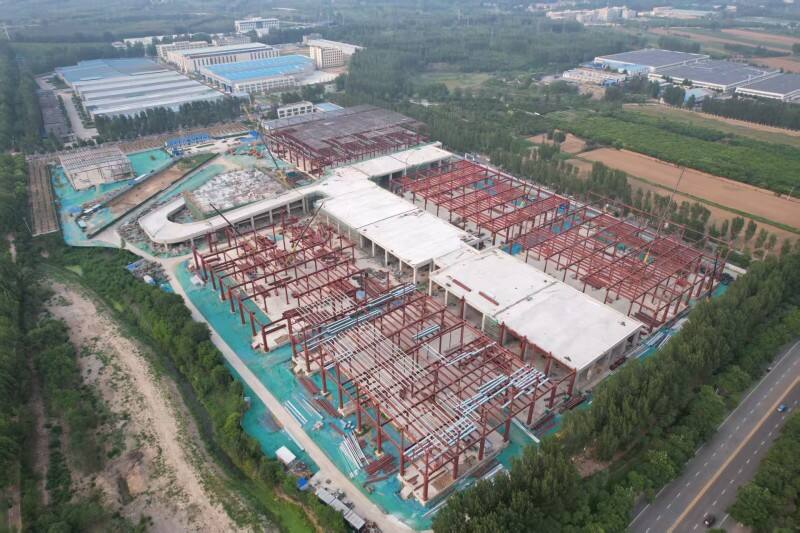
Strategic Building Orientation and Siting for Steel Structure Buildings
Leveraging Solar Path and Site Context to Maximize Daylight in Long-Span Steel Structures
Good daylight design begins by looking at how the sun moves across a location throughout the year. Steel buildings really shine in this area because they can span large distances without needing supports that block sunlight, especially when positioned so their main face is at right angles to where the sun travels. Buildings placed within about 15 degrees of true south during winter months in northern regions get roughly 72 percent more sunlight compared to those facing east or west according to research from Daylight Analytics Council back in 2023. The land itself matters too. If there's even a small hill sloping away from the equator direction, it might cut down on available daylight by as much as 40%. Getting shadow studies done early on helps spot any obstacles coming from nearby buildings or natural features around the property. When done properly, these assessments let architects take full advantage of what makes steel structures special their ability to bend and adapt while still letting plenty of natural light inside spaces that need less artificial lighting and therefore consume less energy overall.
Cardinal Orientation Guidelines for Warehouses and Industrial Halls with Steel Framing
A north-south orientation remains optimal for most industrial steel structure buildings, delivering balanced glare control and consistent illumination—essential for high-bay warehouses where uniform light improves safety and productivity. Key strategies include:
- South-facing walls: Maximize with translucent panels or clerestories to support passive winter heat gain
- North exposures: Provide soft, shadow-free ambient light ideal for precision assembly areas
- East/west facades: Limit glazing to under 30% of surface area to avoid overheating and peak-load strain
In humid climates, rotating the building axis 20° eastward captures beneficial morning light while mitigating harsh afternoon glare. Steel framing supports these refinements through modular column spacing, enabling precise, cost-effective adjustments during design development.
High-Performance Glazing and Aperture Design for Steel Structure Buildings
Optimizing Light-to-Solar-Gain Ratio with Advanced Glazing in Steel-Framed Envelopes
Getting good daylight into steel buildings really depends on picking the right glass with a high light-to-solar-gain ratio (LSG). This basically means how much visible light gets through compared to how much heat comes in from the sun. The newer spectrally selective low-e coatings are doing pretty amazing things these days, hitting LSG ratios over 2.0. That means they let in about twice as much useful daylight while keeping most of the heat out. The result? Buildings need their heating and cooling systems to work less hard, cutting energy costs by around 34% without making the space any darker. Warehouses and big industrial spaces with steel frames can especially benefit from this approach since natural light makes such a difference in those large open areas where artificial lighting would otherwise be expensive to operate.
- Low-iron glass (92% VLT) over standard clear glass (83% VLT)
- Triple-silver low-e coatings that block more than 70% of infrared radiation
- Thermally broken frames aligned with steel connections to interrupt conductive heat transfer
Clerestories, Sawtooth Roofs, and Ribbon Windows: Purpose-Built Daylighting for Steel Structure Buildings
The way steel works structurally makes certain daylighting shapes possible that just wouldn't work with traditional building methods. Think about north facing saw tooth roofs that bring in lots of nice even light over big factory floors without causing glare problems. Clerestory windows bounce sunlight down into production areas while those vertical ribbon windows lined up with steel columns create these repeating light patterns that aren't too harsh on the eyes. For best results, aim for window openings around 10 to 15 percent of total floor space so there's enough natural light hitting workspaces at about 300 to 500 lux levels. And remember to plan out where these windows go alongside things like purlins and girts when designing details because making changes later costs a fortune. Companies that get this right can cut their electricity bills for lighting by anywhere from thirty to sixty percent, which adds up pretty nicely over time.
Integrated Shading and Glare Control in Steel Structure Buildings
External Louvers and Dynamic Shading Systems Anchored to Steel Purlins and Rafters
Getting solar control right matters a lot when it comes to keeping people comfortable inside steel buildings and making sure those buildings use energy efficiently. Louvers on the outside plus automated shading systems attached directly to steel purlins and rafters give much better control over how much daylight gets in. These systems take advantage of the building's existing strength too. When installed on the outer part of the building envelope, these devices block sunlight before it even reaches inside spaces, which can cut down cooling costs by around 38% according to SEIA research from 2023. The smart ones change positions automatically based on where the sun is and what kind of weather we're having, so lighting stays pretty much the same throughout the day without causing any glare issues. Because these shading solutions are built into the main steel framework itself, they stand up well against wind forces, make maintenance easier since workers don't have to climb extra structures, and basically turn parts of the building that were just there for support into useful tools for managing natural light.
Daylight Modeling, Validation, and Performance Benchmarking for Steel Structure Buildings
Physical and Parametric Simulation Methods for Validating Daylight Penetration in Large-Span Steel Spaces
Getting accurate daylight readings in steel buildings needs a mix of different modeling techniques. Things like Climate Based Daylight Modeling and Radiance software help measure how light spreads through the building during different seasons. They take into account all sorts of factors including where the sun is positioned, what kind of sky we're looking at, how surfaces reflect light, window materials, and how shadows interact with each other. When dealing with tricky shapes like those cantilevered roof designs or those odd shaped sawtooth profiles, actual physical models built to scale with fake skies become really important for testing real world conditions. This is particularly true when checking for glare problems in large industrial spaces with high ceilings. Even though computer simulations have gotten better over time maybe around 35 to 40 percent improvement since 2019 according to some studies, nothing beats old fashioned physical prototypes when it comes to understanding how people actually experience lighting in these spaces.
The Daylight Simulation Gap: Why Most Steel Structure Building Projects Overlook Proven Energy Savings
The numbers speak volumes really. Daylight optimized buildings can slash lighting energy consumption between 55 to 75 percent according to available data. Yet somehow only around 30% of industrial steel construction projects bother with proper daylight simulations. Why does this happen? Well there are several factors at play here. Many still think these simulations are complicated or expensive when they don't have to be. The workflow problems also contribute significantly since structural engineers and mechanical/electrical/plumbing teams often work in silos rather than together. And let's face it most budgets prioritize what costs now instead of thinking about long term savings. Research from last year showed that buildings which skipped these simulations ended up paying roughly 37% more each year just for energy. What if we could fix this? When architects start incorporating automated daylight checks right during the steel detailing stage everything changes. Not only does this approach save money but it also creates spaces where people actually want to spend time.
FAQ
What role does building orientation play in daylight optimization?
Building orientation is crucial as it determines how much sunlight a structure receives. Positioning the main facade at right angles to the sun's path can significantly increase sunlight exposure, especially when placed within 15 degrees of true south in northern regions.
Why are north-south orientations recommended for steel structures?
North-south orientations offer balanced glare control and consistent illumination, essential for safety and productivity in industrial spaces.
How can glazing reduce energy costs in steel buildings?
Advanced glazing with a high light-to-solar-gain ratio allows more daylight without excess heat, reducing the need for heating and cooling systems and cutting energy costs.
What are some effective shading solutions for steel buildings?
External louvers and automated shading systems, attached to steel purlins and rafters, help manage daylight exposure effectively, reducing cooling costs and preventing glare.
Why is daylight simulation often overlooked in steel building projects?
Many believe simulations are expensive or complex, and budget constraints can lead to prioritizing immediate costs over long-term savings. This oversight often results in higher energy costs.
Table of Contents
- Strategic Building Orientation and Siting for Steel Structure Buildings
- High-Performance Glazing and Aperture Design for Steel Structure Buildings
- Integrated Shading and Glare Control in Steel Structure Buildings
- Daylight Modeling, Validation, and Performance Benchmarking for Steel Structure Buildings
-
FAQ
- What role does building orientation play in daylight optimization?
- Why are north-south orientations recommended for steel structures?
- How can glazing reduce energy costs in steel buildings?
- What are some effective shading solutions for steel buildings?
- Why is daylight simulation often overlooked in steel building projects?