 EN
EN

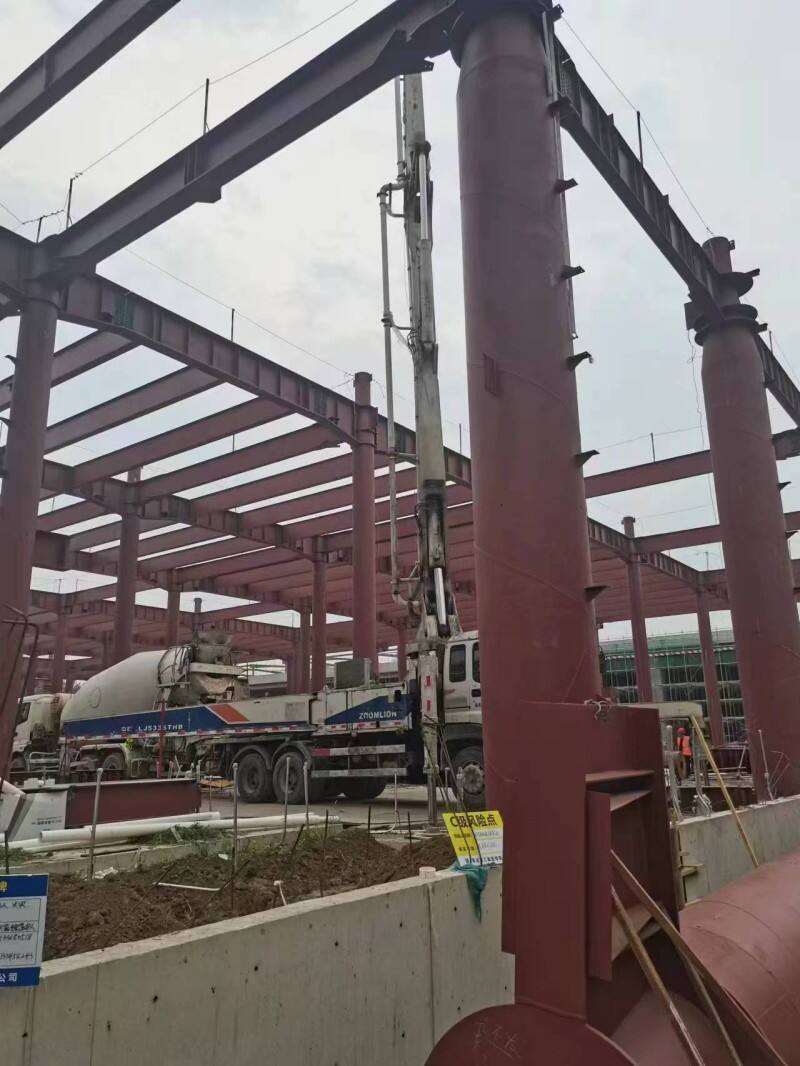
Wind Resilience in Steel Structure Buildings: Aerodynamics, Load Path Integrity, and Material Strategy
Aerodynamic shaping and wind uplift countermeasures
When buildings have better shaped designs, they actually cut down on those wind pressure differences that can lift parts of the structure off. Think about sloped roofs with those little walls at the edge called parapets that push air upwards instead of letting it build pressure underneath. And buildings with rounded corners don't create those swirling wind patterns known as vortex shedding, which really messes with stability. Tests in wind tunnels show these smarter shapes can lower maximum uplift forces by around 40% when compared to regular boxy buildings we see everywhere. There are also backup systems in place like special hurricane clips and reinforced roof panels that add extra protection against being lifted off. These secondary defenses matter a lot in areas where winds blow over 150 miles per hour for extended periods. The reason this matters so much is because roof failure happens in about one out of four structural collapses during big storms, making these redundant systems absolutely essential for safety.
Continuous load path design for hurricane- and tornado-resilient performance
When wind hits a building, it needs somewhere to go, right? That's where a good load path comes in handy, moving those forces from the outside walls all the way down to the ground without any hiccups. To make this work properly, we need some solid welding at important connection points. Adding diagonal supports helps too since they can handle wind coming from different directions without collapsing under pressure. The really important spots get extra strong bolts and special metal plates that are built to take three times what building codes ask for. Why so much? Because tornadoes throw around some serious pressure changes that regular materials just can't stand up to. Tests show something pretty impressive actually. Buildings designed with these continuous load paths deform about 90 percent less when put through Category 5 hurricane conditions compared to standard construction methods. Makes sense why engineers care so much about getting these details right.
Balancing high-strength steel and ductility for sudden wind loading
When choosing materials, engineers look at two main factors: yield strength needs to be at least around 50 ksi, and the material should stretch beyond 20% before breaking. This helps buildings handle wind forces by bending instead of snapping apart. Thermomechanical rolling creates steel with just the right properties for this job. The steel gets stronger as it deforms during sudden gusts, yet still keeps overall structural integrity intact. Why does this matter? Well, studies show that about seven out of ten really bad wind storms blow harder than what most building codes account for. So having this extra cushion means structures can survive these unexpected loads and then get fixed later rather than collapsing completely when pushed beyond their normal limits.
Cold, Snow, and Seismic Adaptation for Steel Structure Buildings
Snow load distribution and redundancy strategies in cold-climate framing
Buildings made of steel in areas that get heavy snow need to handle ground snow loads ranging between 50 to 90 pounds per square foot, which goes way beyond what most commercial structures are designed for normally. Roofs with steep slopes at least 6 inches rise per 12 inches run help shed snow naturally, cutting down on dangerous buildup over time. The structural system includes built-in redundancy where backup support members are properly sized and connected so they kick in automatically when main supports start reaching their limits. This helps spread weight evenly throughout the building and stops potential failures in specific areas. Connections between components are reinforced to withstand repeated cycles of freezing and thawing, and special measures against thermal bridging keep these connections intact even as temperatures swing dramatically from below zero up past freezing points. Maintaining continuous vapor barriers along with frost protected shallow foundation systems ensures these structures stay durable through many winters without significant degradation.
Seismic resilience: Moment frames, base isolators, and energy-dissipating braces
Steel buildings today use what engineers call a three part approach to handle earthquakes. The first layer involves special frames known as SMFs that create connections which are both strong and flexible enough to let the building sway side to side during shaking without collapsing. Down at ground level, there's another component called lead rubber base isolators. These act like giant cushions between the building and the earth below, soaking up around 80 percent of the earthquake's force before it reaches the structure itself. Then we have buckling restrained braces or BRBs for short. Think of them as giant springs built into the framework. When the ground shakes, these braces bend in predictable ways to absorb energy while still holding up the weight of the building above. All these different systems work together to keep people safe, make sure buildings stay functional after tremors pass, and help communities bounce back faster. Especially when those BRBs need replacing, getting everything working again usually takes just a few days at most.
Corrosion Defense and Environmental Durability in Steel Structure Buildings
Galvanization and advanced epoxy-polyurethane coatings for coastal and industrial exposure
Steel needs extra layers of protection when it's exposed to harsh conditions like those found along coastlines or inside industrial plants. Hot dip galvanizing creates a zinc coating that bonds at the metal level and actually sacrifices itself to protect the steel underneath. Industry tests show this treatment can keep steel structures going strong for more than half a century in areas with average weather conditions. When dealing with really tough environments though, engineers turn to multi layer systems combining epoxy and polyurethane. These advanced coatings stand up to everything from salty sea air to acidic rainfall and all sorts of airborne contaminants that would normally eat away at unprotected surfaces. What makes them work so well is how they're specifically designed for different types of environmental stressors.
- Thickness optimization: 200–400 µm builds block moisture ingress
- Flexibility: Accommodates thermal expansion without cracking
- UV resistance: Polyurethane topcoats retain integrity under prolonged sunlight
Properly specified and applied, such systems cut maintenance frequency by 75% versus bare steel—while complying with ASTM A123 and ISO 12944 standards. The synergy of galvanic protection and advanced polymer chemistry enables century-scale durability for mission-critical infrastructure, avoiding premature replacement costs estimated at $740k+ (Ponemon Institute, 2023).
Multi-Hazard Protection: Fire Resistance and Flood Resilience in Steel Structure Buildings
Steel structure buildings integrate purpose-built fire and flood defenses to withstand compound hazards.
Intumescent coatings and non-combustible cladding for wildfire adaptation
When exposed to heat, intumescent coatings swell and create a protective char layer that acts as an insulator for steel structures. This helps slow down how quickly temperatures rise on steel surfaces, keeping buildings structurally sound even when wildfires threaten nearby areas. Combining these coatings with mineral wool insulation that won't catch fire and adding metal cladding creates building systems rated to withstand fires for up to two hours according to ICC 2021 guidelines. Such protection makes a real difference in communities located at the edge of forested areas where homes sit close to potential wildfire zones.
Flood-resilient detailing: Elevated foundations, watertight connections, and post-event recoverability
Raising buildings above the base flood level stops water pressure from pushing against them and keeps out floating debris. A watertight building envelope with properly sealed joints and rust-proof fasteners helps maintain structural integrity when floods hit. Steel has another advantage too its smooth surface makes cleanup after a flood much quicker and easier. Plus, modular frame systems mean damaged parts can be swapped out without tearing down entire sections. All these design choices together cut down on how long it takes to get things back to normal after flooding, saving around 40% in costs according to FEMA research from 2023. This means businesses and residents can move back into their spaces sooner and keep operations running despite flood events.
FAQ Section
What are the main strategies for wind resilience in steel structure buildings?
Wind resilience strategies include aerodynamic shaping, continuous load paths, and balanced material selection that accounts for both strength and ductility.
How do steel buildings adapt to cold and snow conditions?
Steel buildings adapt by optimizing snow load distribution with steep roofs and redundancy systems, alongside reinforced connections to handle freezing and thawing cycles.
What techniques enhance seismic resilience in steel structures?
Seismic resilience is enhanced through moment frames, lead rubber base isolators, and buckling restrained braces.
How is corrosion defense achieved in coastal and industrial zones for steel buildings?
Corrosion defense is achieved through galvanization and advanced epoxy-polyurethane coatings that protect against environmental stressors.
How do steel buildings resist fire and flood hazards?
Fire resistance is achieved through intumescent coatings and non-combustible cladding, while flood resilience is supported by elevated foundations and watertight connections.
Table of Contents
- Wind Resilience in Steel Structure Buildings: Aerodynamics, Load Path Integrity, and Material Strategy
- Cold, Snow, and Seismic Adaptation for Steel Structure Buildings
- Corrosion Defense and Environmental Durability in Steel Structure Buildings
- Multi-Hazard Protection: Fire Resistance and Flood Resilience in Steel Structure Buildings
-
FAQ Section
- What are the main strategies for wind resilience in steel structure buildings?
- How do steel buildings adapt to cold and snow conditions?
- What techniques enhance seismic resilience in steel structures?
- How is corrosion defense achieved in coastal and industrial zones for steel buildings?
- How do steel buildings resist fire and flood hazards?