 EN
EN

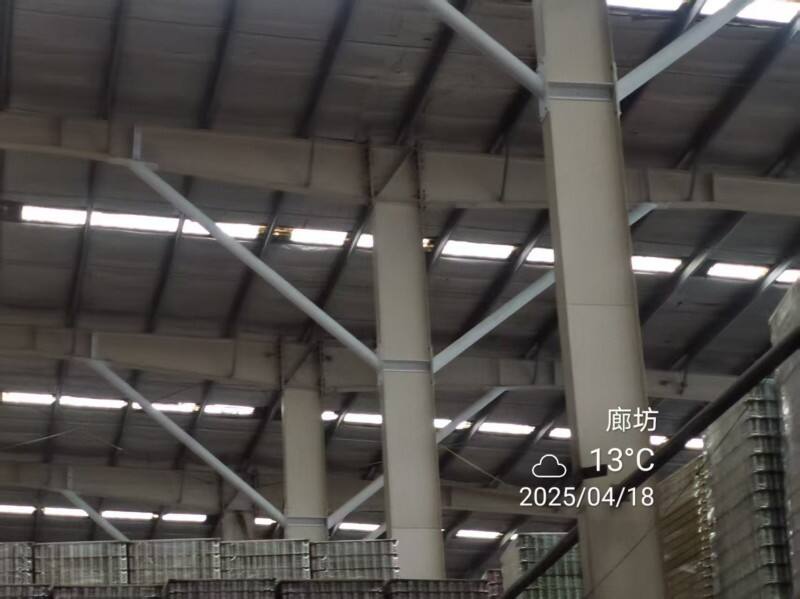
Expanding Architectural Expression Through Steel Structure Building
Bending, Twisting, and Curving Steel for Dynamic Forms
Steel structures give architects a whole new playground when it comes to shapes and forms. The material can bend, twist, and curve in ways traditional materials just can't match. With its impressive strength compared to weight, steel makes those dramatic cantilevers possible, creates those spiral facades we see everywhere now, and allows for roofs that seem to float rather than sit there heavy and static. Modern computer controlled machines and detailed 3D models let engineers create curves so precise they look hand crafted. Steel becomes not just the bones holding everything up but also the skin showing off architectural flair. We see this all over the world actually. Take those famous twisted towers in Shanghai or the flowing roof designs at Guggenheim Bilbao. These aren't just buildings anymore they're moving pieces of art that challenge our expectations of what architecture should be.
Aesthetic Integration of Exposed Steel in Contemporary Facades
Exposed structural steel has evolved from concealed support to celebrated design element, merging engineering rigor with industrial elegance. Architects now intentionally showcase beams, columns, and connections as visual anchors—creating deliberate contrast with glass, timber, or concrete. This approach delivers three distinct advantages:
- Visual Transparency: Revealing the building's "bones" communicates structural honesty and adds layered depth to façades.
- Design Cohesion: Consistent use of steel across interior and exterior spaces strengthens spatial continuity.
- Sustainable Aesthetics: Natural weathering forms protective patinas over time, reducing long-term maintenance.
Perforated steel screens increasingly serve dual roles—as solar shading devices and textured cladding—demonstrating how functional systems can elevate architectural narrative. In this context, steel structure building is not just construction; it's a disciplined language of form, force, and expression.
Advancing Structural Performance with Innovative Steel Systems
Modern steel structure building transcends traditional capabilities through engineered systems that maximize strength, seismic resilience, and material efficiency—reshaping how buildings respond to dynamic forces and environmental demands.
Moment-Resisting Frames, Lattice Trusses, and Hybrid Solutions
Frames that resist moments through rigid beam-column connections significantly boost how buildings perform during earthquakes. These structures can cut down structural damage by around 40 percent when compared with traditional braced frames according to research from the Structural Engineering Institute back in 2023. When it comes to lattice trusses, they work really well at spreading out loads thanks to their triangular shapes, allowing spaces without columns that stretch over 60 meters wide. Mixing materials like steel with either mass timber or reinforced concrete creates hybrid systems that offer better strength while keeping weight down and lowering carbon footprints. Some of the most interesting developments lately involve friction dampers which soak up earthquake energy inside frame structures, computer optimized truss designs that actually reduce the amount of steel needed, and those strong bolts that make putting things together on site much faster without losing any accuracy in the process.
Composite Beams and Load-Efficient Steel-Concrete Integration
When steel girders combine with concrete slabs to form composite beams, they can handle about 30% more weight compared to regular beams without this combination according to research in the Journal of Constructional Steel Research. The magic happens because concrete handles compression really well while steel excels at tension, which means we actually need less material overall by around 25% without compromising on safety. There are environmental benefits too. Using permanent steel decks instead of temporary ones saves time and resources. Recycled steel reinforcements get reused over 90% of the time, and when engineers optimize how deep those beams go, it cuts down both concrete usage and carbon emissions from production. Modern digital tools such as Building Information Modeling help bring all these components together with incredible precision, sometimes down to less than 3 millimeters difference. And this level of accuracy matters a lot since even small fabrication errors can affect how structures behave under stress.
Accelerating Delivery and Sustainability via Prefabricated Steel Structure Building
Modular Fabrication, Off-Site Assembly, and Carbon Reduction Benefits
Building with prefabricated steel structures changes how long projects take to complete and what they do to the environment, since most of the work happens in factories rather than on site. Components get made there too - cutting, drilling, putting things together before they ever arrive at construction sites. This means no waiting around when it rains or snows, and crews can start preparing foundations while fabrication continues back at the plant. Real world results show these projects finish about 30 to 50 percent quicker compared to old school methods. Standardized parts mean fewer mistakes and less need for fixing things later. We also waste less material overall, maybe around 20% less actually. Transportation gets greener too because everything fits better during shipping. And we don't need such big foundations either since steel has this great strength but isn't super heavy. Oh right, steel can be recycled forever. Most of it ends up getting reused after buildings come down, something like 90% according to numbers from World Steel Association last year. Plus, making stuff in factories saves energy onsite by more than 40%. All these factors point toward prefabricated steel being pretty much the future of fast yet environmentally friendly construction.
Steel Structure Building in Iconic High-Rise Architecture: Lessons from Global Landmarks
Steel continues to prove itself as the ultimate partner for ambitious architects around the globe. Take Dubai's Burj Khalifa for instance, which stands tall thanks to its innovative bundled tube steel frame design that fights off those brutal desert winds while still looking sleek and graceful. Back in New York City, there's this old skyscraper from the 1930s that was actually one of the first buildings to use steel framing throughout. Amazingly enough, it's still going strong after all these decades, showing just how durable and adaptable steel really is. And let's not forget about that famous lattice tower in Paris either. The way steel handles those complicated twisting forces makes it possible for such unique shapes to stand firm against nature's challenges. What we see time and again is that steel lets buildings have thinner walls and open spaces inside without columns getting in the way. Plus, since most steel parts can be made ahead of time in factories, cities get built faster. Oh, and did I mention? Steel contains a lot of recycled material, which helps green buildings achieve their sustainability targets. Just look at all those LEED certified towers popping up across Asia Pacific right now. All these examples point to something pretty clear: steel isn't just sitting there being structural support material. Instead, it actively makes amazing architecture happen by combining strength with flexibility and creative possibilities.
FAQ
What are the benefits of using steel in architectural design?
Steel offers numerous benefits in architectural design including strength, flexibility, and the ability to create dynamic forms like bends, twists, and curves. It also allows for exposed structures serving both functional and aesthetic purposes.
How does steel structure building enhance sustainability?
Steel structure buildings enhance sustainability through features like modular fabrication, off-site assembly, and high recyclability. Using less material and optimized designs lowers carbon emissions and improves energy efficiency.
What role does prefabrication play in steel structure construction?
Prefabrication streamlines construction projects by enabling components to be manufactured off-site, reducing construction time and waste. This method ensures more efficient and environmentally friendly building practices.
How does steel contribute to seismic resilience in structures?
Steel structures utilize engineered systems like moment-resisting frames and lattice trusses for improved seismic resilience, reducing structural damage during events like earthquakes.
Table of Contents
- Expanding Architectural Expression Through Steel Structure Building
- Advancing Structural Performance with Innovative Steel Systems
- Accelerating Delivery and Sustainability via Prefabricated Steel Structure Building
- Steel Structure Building in Iconic High-Rise Architecture: Lessons from Global Landmarks
- FAQ