 EN
EN

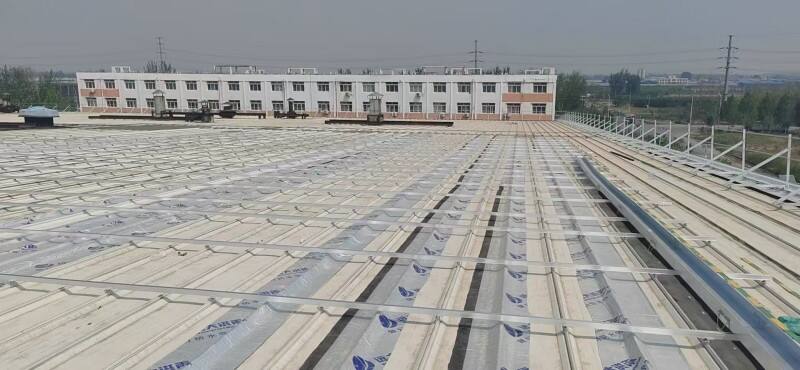
Why Steel Structure Buildings Pose Unique Acoustic Challenges
Flanking Transmission and Resonance Through Steel Framing Systems
Steel framing brings some unique acoustic challenges because of how rigid and conductive it is. Compared to wood or concrete, steel just transfers vibrations really well between all those connected parts in the structure, so sound finds ways around main barriers through these side paths. We see this most clearly with lower frequency noises below about 500 Hz. Footsteps and similar impacts tend to carry much further in buildings made with steel frames compared to concrete ones sometimes up to 30% more distance. Even though steel's density helps block airborne noise at higher frequencies according to what we call the Mass Law, there's not much natural damping going on inside the material itself. That means those steel beams and columns will start vibrating and resonating pretty easily when exposed to any kind of vibration, almost like tuning forks getting excited. To fix this problem, builders often use decoupling techniques like isolation clips that break these vibration pathways before they get amplified by resonance effects.
Airborne vs. Structure-Borne Noise Behavior in Steel vs. Concrete Structures
Steel and concrete buildings handle sound differently because they have completely different properties when it comes to weight, how flexible they are, and their internal structure. Everyday noises like people talking or cars passing tend to get through steel buildings much easier since there are often small gaps and poor seals around connections. Concrete on the other hand naturally blocks more sound just based on its density, giving it STC ratings that are typically 5 to 8 decibels better without any extra insulation work. When we look at structural noises like vibrations, steel is actually worse. The stiffness of steel (about 200 GPa) lets those annoying impacts from things like HVAC systems or elevators travel through the building four times faster compared to concrete which is only around 30 GPa. That's why these mechanical sounds seem so much louder in steel structures. Another thing working against steel is its surface characteristics. Concrete has tiny pores that soak up certain frequencies of sound, while steel bounces back about 95% of what hits it, creating all sorts of echo problems inside spaces. Some builders try to fix this issue with composite materials such as mineral wool filled cavities. These setups help reduce noise by turning vibration energy into heat through friction, but they're not always perfect solutions either.
Effective Soundproofing Solutions for Steel Structure Buildings
Decoupling Techniques: Isolation Clips, Resilient Channels, and Double-Stud Walls
Decoupling stands out as probably the best approach when dealing with structure-borne noise issues in buildings made of steel frames. The basic idea is simple enough: separate those interior finishes from the actual structural framework. For ceilings, isolation clips work wonders by suspending channels through rubber isolated fasteners. This creates what's called a floating ceiling system, which cuts down on vibration transfer quite a bit, maybe around 30 dB give or take depending on conditions. Then there are these resilient channels that act like springs between drywall panels and steel studs, making a real difference in how much sound leaks through walls. Another trick many builders use involves double stud walls where they stagger framing with about an inch gap between them. This setup basically stops any direct connection between different wall layers. Throw in good quality insulation materials and suddenly we're talking about STC ratings over 60, something that meets pretty strict standards for places like office spaces, apartments, or even professional recording studios built inside steel structures.
High-Performance Acoustic Materials for Metal Framing: MLV, Mineral Wool, and Composite Barriers
Choosing the right materials works hand in hand with decoupling techniques to get the best soundproofing results. Mass loaded vinyl or MLV is great stuff for this job. When we apply around 1 pound per square foot, it acts like a heavy blanket that blocks out airborne sounds between roughly 125 to 4000 Hz frequencies. For walls, mineral wool insulation packed into stud spaces at about 8 pounds per cubic foot helps soak up those middle range noises. Installers often see STC ratings jump anywhere from 10 to 15 points just by putting this stuff in standard framing setups spaced every 16 inches. There are also these composite barrier panels made with gypsum fiber and something called viscoelastic core material inside them. These panels actually dampen vibrations right where they occur within the panel itself. Combine MLV with mineral wool stuffed behind a double stud wall system and what do we get? Around 70 dB of total noise reduction most of the time. The kicker here is that all this works much better than old school concrete methods while weighing far less too.
Integrated Design Strategies to Minimize Noise in Steel Structure Buildings
Room-within-a-Room Construction for Critical Applications
When dealing with places where sound control matters a lot like music studios, medical consultation rooms, or research labs, the double wall construction method stands out among steel framed buildings. The basic idea involves creating a separate inner space that's disconnected from the main steel framework through consistent air spaces and special dampening materials between layers. Getting rid of any direct contact points between walls and structural components stops unwanted noise from traveling sideways through the building structure. Research shows these designs can cut down on those annoying low frequency vibrations by around 30 decibels compared to regular single wall setups. But making it work requires careful attention to details during planning stages. All the wiring for electricity, internet cables, and heating systems need special routing through the gap between walls with flexible connectors so they don't create new pathways for sound leakage accidentally.
Acoustic Sealing Protocols: Gasketing, Joint Treatment, and Penetration Management
The best materials won't work properly if there's no proper acoustic sealing in place. Gaps let sound escape and actually hurt STC ratings more than poor material quality does in most cases. Doors and windows need perimeter gaskets, while drywall joints benefit from those soft acoustic sealants that stay pliable over time. When it comes to service penetrations, extra care is needed everywhere. Put acoustic putty around electrical boxes, install fire rated sleeves for structural openings, and make sure HVAC ducts have flexible connections. All these details matter because they keep the acoustic barrier intact throughout the whole space. Without this attention to detail, even good designs fall short when tested against actual noise conditions.
FAQ Section
Why do steel structures pose unique acoustic challenges?
Steel structures are highly rigid and conductive, which makes them efficient at transferring vibrations. This leads to increased flanking transmission of sound and resonance within the structure.
What are decoupling techniques used in soundproofing steel buildings?
Decoupling techniques like isolation clips, resilient channels, and double-stud walls are used to separate interior finishes from the structural framework, reducing vibration transfer significantly.
What materials are effective for soundproofing in steel structures?
Materials like mass loaded vinyl (MLV), mineral wool, and composite barriers are effective in soundproofing, as they help block and absorb sound frequencies, reducing noise transmission.
How do acoustic sealing protocols help in soundproofing?
Acoustic sealing helps by preventing sound escape through gaps. Proper sealing includes gaskets around doors and windows, sealants on drywall joints, and attention to service penetrations to maintain the acoustic barrier.