 EN
EN

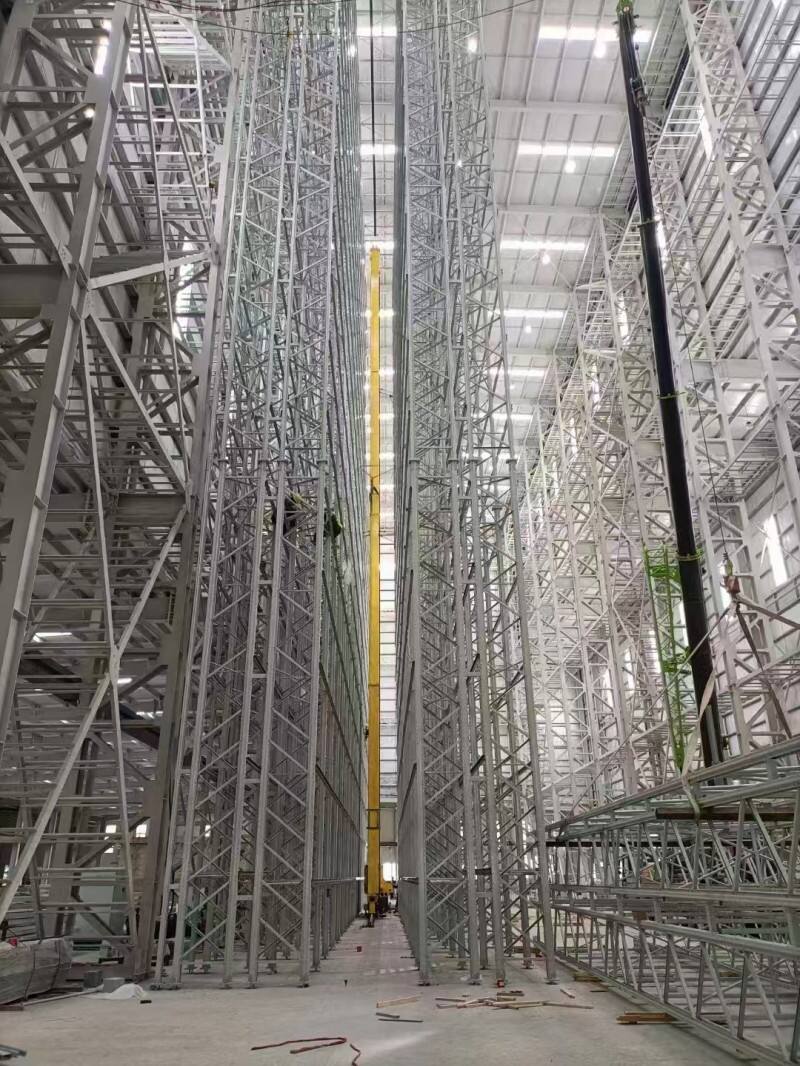
Clear-Span Steel Structures: Unobstructed Interiors and Spatial Freedom
How Long-Span Steel Framing Eliminates Load-Bearing Walls
Most buildings we see every day rely on internal columns and heavy walls to hold everything together. But clear span steel structures work differently. They send all those roof weights and side forces straight out to the outside walls using strong steel frames that resist bending. What does this mean? No columns standing in the way inside. Spaces can be much bigger too. Studies show around 40% extra room compared to regular buildings. Think about warehouses where shelves can stretch across entire rooms without obstacles. Airplane hangars don't need to move planes around awkwardly anymore because there's plenty of space for wings to extend naturally. Factories benefit as well when machinery can be placed exactly where needed for better production flow. Steel just works better here than concrete or wood because it's stronger yet lighter weight. That means big open spaces without sacrificing safety or flexibility for future changes.
Engineering Principles Behind Clear-Span Design in Steel Structure Building
The clear span capability comes from those engineered rigid frame systems we see so often in industrial buildings. They usually feature tapered steel columns paired with rafters that connect at moment resisting joints. These joints basically stop any twisting when dealing with regular weight, wind pressure, or even earthquakes. That's what makes it possible to build structures over 300 feet wide without needing columns inside the space. With advanced computer modeling, engineers can map out exactly how forces travel through the whole framework. This helps confirm everything meets the required codes like IBC, AISC standards, plus ASCE 7 guidelines for weather and earthquake protection. When it comes time for maintenance, the roof weight gets passed down smoothly to the foundation through this continuous load path. Plus since interior walls aren't actually holding anything up, making changes later on becomes much easier. No wonder these designs have become standard practice for warehouses, manufacturing plants, and other large spaces where flexibility matters most.
Non-Load-Bearing Internal Walls and Reconfigurable Layouts
The main weight of the building rests entirely on the outer steel framework, which means interior walls basically just create spaces rather than holding things up. This separation gives architects and building managers tons of freedom when planning layouts. Offices can be moved around, storage areas expanded or contracted, and new meeting spaces created without tearing down walls or getting engineers involved. Different kinds of partition systems work really well here. Demountable ones, modular setups, even lightweight frames all install fast and move around easily. These features help businesses stay flexible with their space needs while minimizing disruptions whenever they need to rearrange things.
From Retail to Hybrid Workspaces: Open-Space Evolution Across Commercial Uses
Steel frameworks with open spans really handle changing business needs better than most other structures. Retail stores are turning their display areas into mixed retail and storage spaces these days. Logistics hubs now stick offices and control centers right into their massive floors. Factories are redesigning sections for bringing in automation tech or setting up worker training zones. Flex space providers switch their facilities back and forth between making products, shipping goods, and hosting interactive events. The flexibility saves money too. Renovation bills drop somewhere around 30 to maybe even 50 percent compared to regular buildings when companies want to change how they use the space. This cost saving has been seen time and again across all sorts of projects according to last year's Construction Trends report.
Warehouses, Aircraft Hangars, and Sports Facilities: Where Function Meets Structural Freedom
Open floor designs make all the difference in industries where space matters most. Take warehouses for instance - many now opt for steel frames that span hundreds of feet without columns. According to the Logistics Efficiency Report from last year, this setup can boost storage capacity by around 40 percent while cutting down on wasted time moving materials by nearly a third. For airplane maintenance shops, steel's special combination of strength and flexibility lets them build those massive roof structures that can handle heavy snow loads yet still allow planes to move freely inside. Sports stadiums are getting in on the action too, using cantilevered steel roofs to cover big crowds without blocking views or limiting how the venue can be used for different events. What's really interesting though is how these open spaces let businesses grow upwards as well. Adding mezzanine floors becomes much easier when there aren't pillars getting in the way. A recent study shows that almost seven out of ten industrial buildings renovated recently took advantage of this very feature.
Industrial Aesthetics and Integrated Interior Design in Steel Structure Building
When it comes to steel structures, there's something about their raw honesty that turns engineering into art. Those beams, columns, and trusses we used to hide behind walls now stand proud as central design features, showcasing how materials work and what they can do. Architects love playing with these industrial elements by combining them with other materials in clever ways. Think warm wood against cold steel surfaces, or polished concrete floors grounding otherwise floating spaces. Big windows let in loads of natural light too. What emerges are spaces that feel both unified and flexible. We've seen everything from simple office lofts where workers can actually see the framework overhead to trendy stores with sweeping curves made possible only by steel's strength. And here's the best part: none of these design choices come at the expense of function. Steel buildings still offer those open floor plans without columns getting in the way, spaces that grow with business needs but somehow keep looking good all along the way.
FAQ
What are clear-span steel structures?
Clear-span steel structures are buildings designed without internal columns, utilizing strong steel frames to send forces to outer walls, allowing unobstructed interior spaces.
Why are steel structures beneficial for warehouses and industrial buildings?
Steel structures offer larger, open spaces that enhance storage capacity and improve material movement, beneficial for warehouses and industrial environments.
How do clear-span designs improve flexibility in interior layouts?
Since interior walls aren't load-bearing, clear-span designs allow for easy reconfiguration of layouts, accommodating changing space needs without significant disruptions.
Table of Contents
-
Clear-Span Steel Structures: Unobstructed Interiors and Spatial Freedom
- How Long-Span Steel Framing Eliminates Load-Bearing Walls
- Engineering Principles Behind Clear-Span Design in Steel Structure Building
- Non-Load-Bearing Internal Walls and Reconfigurable Layouts
- From Retail to Hybrid Workspaces: Open-Space Evolution Across Commercial Uses
- Warehouses, Aircraft Hangars, and Sports Facilities: Where Function Meets Structural Freedom
- Industrial Aesthetics and Integrated Interior Design in Steel Structure Building
- FAQ