 EN
EN

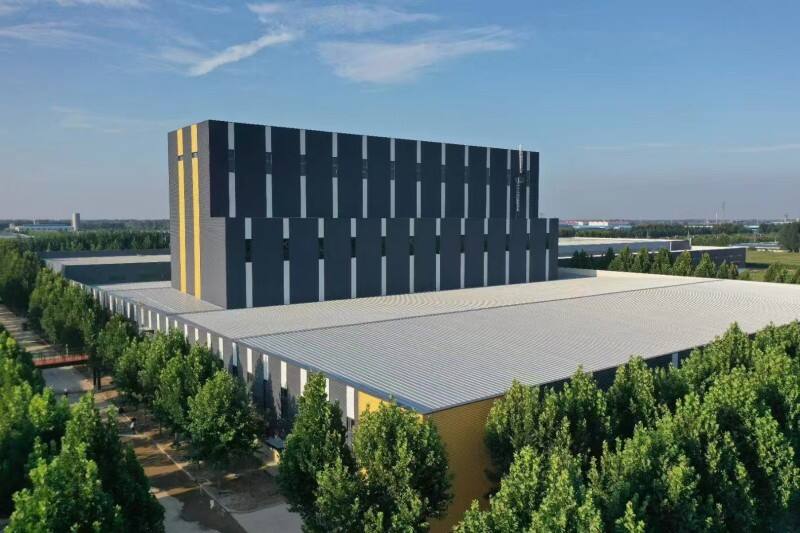
Ensuring Life-Safety and Regulatory Compliance in Steel Structure Buildings
Fire-resistance performance aligned with NFPA 99 and IBC Chapter 12 for critical healthcare zones
The fact that steel doesn't burn makes it really good for healthcare buildings, particularly in areas where patient safety is absolutely critical like intensive care units and operating rooms. These spaces often need walls that can resist fire for over two hours straight. Steel construction meets both the NFPA 99 rules about separating different building sections and the International Building Code requirements for keeping structures intact when fires happen. When we add special coatings that expand when heated and install fire resistant boards, the steel stays strong even if exposed to temperatures around 1000 degrees Fahrenheit for extended periods. Hospital managers tell us they get their approvals from regulators about 30 percent quicker with steel frameworks than with other materials, which saves time and money during those long approval processes.
Vibration control for sensitive clinical spaces: meeting ISO 2631-2 and AIA standards in MRI and OR suites
Getting vibration levels just right matters a lot in MRI rooms and operating theaters because even tiny movements in the building structure can mess up images or affect how accurately surgeries are performed. Steel structures designed specifically for these spaces help meet the ISO 2631-2 standards for vibrations below 6,000 micrometers per second squared. They do this by incorporating things like mass dampers that absorb unwanted motion and special foundation pads that isolate equipment from surrounding structures. According to the American Institute of Architects recommendations for medical facilities where sensitivity counts, there are basically three main approaches they recommend implementing:
- Floating floor slabs with viscoelastic polymer layers that reduce vibration transmission by 40 dB
- Optimized structural bay geometry that suppresses resonance frequencies below 8 Hz
- Continuous real-time monitoring systems that verify compliance with the strict < 8 µm/s vibration velocity threshold during active equipment operation
Maximizing Clinical Flexibility and Service Integration with Steel Structure Buildings
Column-free spans and modular bay planning for evolving medical workflows and equipment scalability
Steel makes it possible to build spaces over 30 meters wide without columns, turning those fixed floor plans into flexible areas for medical work. Hospitals can change around their X-ray rooms, grow their treatment areas, or even turn old spaces into something completely different without tearing down walls. When they plan their building with modular bays, everything lines up better structurally. This means moving things around gets much easier. The 2022 report on adaptive reuse found that rearranging departments like nurse stations or adding robot surgery equipment happens about 40 percent faster compared to concrete buildings. Plus, steel has this great strength relative to how light it is, which lets hospitals install all sorts of heavy tech above ceilings right from the start. No need to come back later and reinforce the building when new imaging machines or digital systems arrive.
Integrated MEP delivery via steel floor cassettes and double-slab systems—enabling rapid, non-disruptive upgrades
Steel floor cassettes that are prefabricated actually make special spaces between floors where all the mechanical, electrical, and plumbing stuff can go. These are placed right above clinical areas so there's no need to punch holes in ceilings, which helps keep things sterile in hospitals. When maintenance crews need to fix or change anything, they just pop off some ceiling panels instead of causing chaos in areas where infections could spread easily. There's another system called double-slab floors that hides all the wiring and pipes inside the actual floor structure itself. This means hospitals can upgrade their imaging equipment cables, medical gas lines, or even their computer networks at night while everyone sleeps. No need to shut down whole wings for days on end. According to some studies following UL 3300 standards, facilities that implement these kinds of systems see technology upgrades happening about 70% quicker. And this makes sense because patients don't want their treatment interrupted just because someone needs to run new wires somewhere.
Accelerating Delivery and Minimizing Disruption Through Off-Site Fabrication
Prefabricated steel modules cutting on-site construction time by 35–50%: lessons from Kaiser Permanente San Diego
Off site fabrication allows for parallel construction work to happen at the same time. Foundations get poured at the actual building site while steel modules are being made in controlled factory environments. These factories use advanced building information modeling (BIM) systems along with automated processes and robotic welders to create these precision parts. Take the recent expansion project at Kaiser Permanente's San Diego facility as an example. They managed to shorten their entire construction timeline by somewhere between 35 and 50 percent. Pretty impressive when considering they were able to upgrade facilities that were still in operation, including keeping both the emergency department and imaging suites running normally during all this. The biggest advantage? No more waiting around for bad weather to pass before work can resume. Plus, mistakes on site drop dramatically, maybe as much as 90% according to some reports. And when it comes to mechanical, electrical and plumbing (MEP) systems, these are already built right into the structural components. That means fewer workers needed on site, probably cutting labor needs down by around 30 to 40%. The result is faster installation of critical infrastructure without disrupting normal hospital operations.
Supporting Long-Term Hygiene, Durability, and Sustainability Goals
Steel buildings for healthcare settings offer lasting advantages because they're naturally clean, tough, and good for the environment. The steel surfaces don't absorb anything, so microbes can't stick around, and they handle all sorts of cleaning methods from harsh chemicals to high heat sterilization without breaking down. Studies indicate that these steel structures need about 30 percent less maintenance throughout their lifetime compared to other materials, yet still maintain complete strength after decades of use. From an environmental standpoint, steel stands out since it can be recycled completely. When manufacturers build components off site first, this cuts down on construction waste at the actual location by nearly 90 percent, which helps hospitals achieve those coveted green building certifications. Plus, steel buildings stay cooler in summer and warmer in winter, cutting down on heating and cooling costs. All these factors make steel construction a smart choice for modern medical facilities looking to maintain high standards of cleanliness while being responsible stewards of resources and preparing for future climate challenges.
FAQ
Why is steel preferred for construction in healthcare zones?
Steel is favored in healthcare environments due to its fire resistance, adaptability, and ability to meet stringent safety and regulatory standards.
How does steel help in maintaining clinical flexibility in hospitals?
Steel's structural flexibility allows for adaptable spaces and easy modifications to accommodate evolving medical workflows, without major renovations.
What are the benefits of off-site fabrication in steel structure constructions?
Off-site fabrication drastically reduces on-site construction time, minimizes errors, and allows hospital operations to continue without disruption.
How do steel buildings contribute to sustainability?
Steel is fully recyclable, reduces waste, and provides natural thermal regulation, contributing to energy efficiency and sustainability goals.
Table of Contents
- Ensuring Life-Safety and Regulatory Compliance in Steel Structure Buildings
- Maximizing Clinical Flexibility and Service Integration with Steel Structure Buildings
- Accelerating Delivery and Minimizing Disruption Through Off-Site Fabrication
- Supporting Long-Term Hygiene, Durability, and Sustainability Goals
- FAQ