 EN
EN
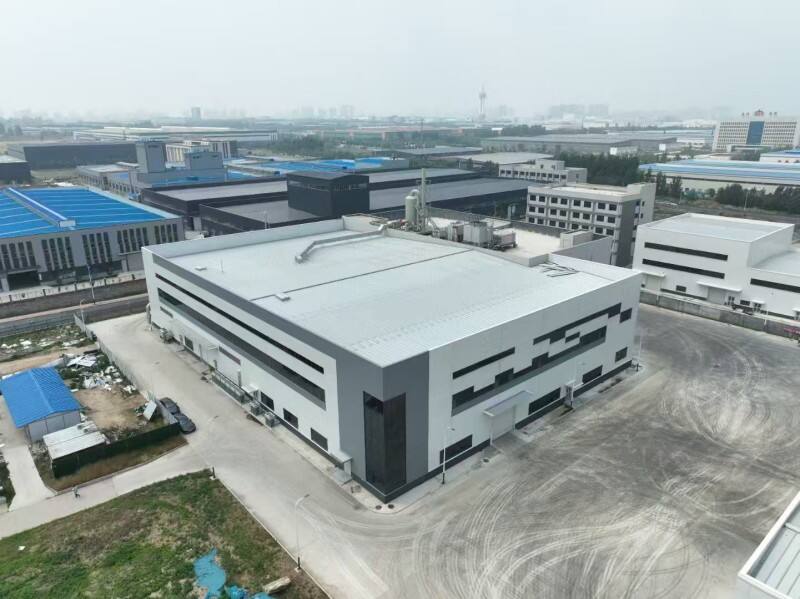
Core Industrial Applications of Steel Structure Buildings
Steel structure buildings deliver transformative solutions where industrial functionality meets uncompromising durability. Their engineered versatility addresses the most demanding operational requirements while adapting to specialized environmental needs—making them the foundational choice across modern industrial landscapes.
Warehouses, Manufacturing Plants, and Distribution Centers
Steel structures really shine in facilities that need large open spaces and can handle heavy loads. Take manufacturing plants for instance they rely on steel because it's so strong to hold up things like massive industrial presses and those big overhead cranes that move around all day long. This makes it possible to arrange production lines exactly how they want them. For distribution centers, there's another big plus point. They get built much faster when using prefabricated steel parts. Some companies report cutting down construction time by nearly half compared to traditional building approaches. The best part? These wide open floor plans don't have those annoying columns sticking out everywhere. Warehouse managers love this because they can configure storage solutions however suits their needs best, making better use of every inch of space available. Plus steel buildings come with built in features for proper air circulation and running utilities through walls, which keeps operations running smoothly. And let's not forget about safety requirements either. Most modern steel structures include fire resistant coatings that help meet strict safety standards for places where lots of people work or gather.
| Operational Advantage | Steel Structure Benefit |
|---|---|
| Heavy Machinery Support | 50–100% higher load capacity than timber alternatives |
| Layout Flexibility | Column-free spans exceeding 300 feet |
| Build Efficiency | 30–50% faster project completion versus concrete |
Logistics Hubs and Temperature-Controlled Cold Storage Facilities
Steel buildings really shine when it comes to logistics where climate control matters most. They offer excellent thermal properties and stand up well against environmental challenges. The way these structures are built allows them to work with top notch insulation systems, keeping temperatures stable within about 1 degree Celsius range which is super important for things like fresh produce or medications that need careful handling. Unlike wood or other organic materials, steel doesn't attract pests, so there's no risk of infestations damaging valuable inventory in warehouses storing pharmaceuticals or perishables. Galvanized coatings on steel resist corrosion even when humidity gets above 85%, something commonly seen in refrigerated storage areas. Plus, their strong foundations can handle heavy duty shelving systems without issues. Another big plus point? Special vapor barriers help prevent condensation problems inside these facilities. According to industry reports from FM Global, warehouses using steel frames report around 68% fewer moisture related problems compared to older building methods. That makes a huge difference over time for companies managing sensitive cargo.
Unmatched Structural Performance in Demanding Industrial Environments
High Load-Bearing Capacity for Heavy Machinery and Dynamic Operational Loads
Steel buildings are built tough enough to handle all sorts of industrial demands. What makes them stand out is their impressive strength compared to their weight, which means they can easily support really heavy stuff like presses, cranes, and those big automated systems that weigh over 150 tons per square foot. These structures actually hold up well against day to day wear and tear from things like forklifts zipping around, vibrations from moving materials, and when inventory gets rearranged constantly. The pre-made parts used in construction go through thorough testing so forces get spread out properly across the building frame. This helps keep everything from bending too much while still allowing plenty of space inside for whatever needs to be stored or manufactured. Because of this durability, these buildings don't break down easily even after years of constant use, making them reliable choices for factories and warehouses where downtime costs money.
Weather, Pest, Corrosion, and Seismic Resilience
Steel buildings used in industrial settings offer protection against multiple hazards that really matters for how long these facilities last. The advanced galvanization process along with special coatings helps fight off corrosion problems common in places where chemicals are processed or near coastlines. These treatments can make steel structures last way longer than regular ones, sometimes over three decades instead of just a few years. The bracing systems built into these buildings handle serious weather threats too. They stand up to hurricane force winds blowing at speeds around 170 miles per hour and heavy snow loads that weigh down about 50 pounds per square foot. Regular wood or other organic materials would simply rot away or get eaten by pests like termites and rats which weaken the whole structure over time. Another big plus is that steel bends rather than breaks when earthquakes hit. This means the building can deform slightly without collapsing completely because the energy from the quake gets absorbed through those specially designed frames. All this durability means businesses don't have to shut down operations as often during bad weather events. Maintenance costs also drop significantly throughout the building's lifetime, somewhere around 40% less according to what facility managers report.
Design Agility and Future-Ready Scalability
Open-Span Interiors and Modular Expansion for Evolving Production Needs
Steel structures offer remarkable design flexibility thanks to their open span interiors which get rid of those pesky support columns. This creates adaptable spaces where production areas can be rearranged easily as needed. The adaptability really matters when industries need to keep up with changes like adding automation equipment or tweaking processes for newer tech. When it comes to expanding operations, modular steel buildings scale efficiently since most parts are made elsewhere then put together on site pretty fast. Construction times drop around 30% compared to traditional methods while keeping business running smoothly during upgrades. For manufacturers dealing with fluctuating markets or needing to install big machines, this kind of scalable infrastructure means they don't have to tear everything down just to grow. Plus, steel maintains its strength even after multiple modifications, making it both tough and economical over decades of use across manufacturing and logistics sectors.
Proven Cost Efficiency and Accelerated ROI of Steel Structure Buildings
Steel structures offer some serious money saving benefits because they can be built much quicker and last longer without costing as much over time. When using prefabricated parts, construction projects finish around half the time it would take with conventional building techniques. This means factories and warehouses start making money months earlier than usual, which cuts down on loan interest payments too. Steel doesn't rot away like wood does, nor do termites eat it, and it stands up better against fires. Maintenance bills drop roughly 30 percent compared to other materials according to what most experts say. Plus, these buildings can be designed to save energy, which translates into lower insurance rates and ongoing operating costs that just keep adding up year after year. For many industrial sites, getting all this value packed together usually pays off completely within five to seven years, making steel framing one of the smartest investments possible when looking at running costs over the long haul.
FAQ
Why are steel structure buildings preferred for industrial applications?
Steel structure buildings are favored for industrial applications because of their high load-bearing capacity, design flexibility, and resilience against environmental and operational hazards. They can support heavy machinery, provide open-span interiors for layout efficiency, and withstand adverse weather conditions, ensuring long-lasting performance.
How do steel structures improve construction efficiency?
Steel structures improve construction efficiency, especially with prefabricated components, which significantly reduce build times. This allows industrial facilities to become operational much faster, thus providing a quicker return on investment.
What makes steel buildings advantageous for logistics and cold storage?
Steel buildings offer superior thermal properties ideal for temperature-controlled environments such as logistics hubs and cold storage facilities. They resist pests, moisture, and corrosion, making them perfect for storing perishables and sensitive goods.
Are steel buildings cost-effective long-term?
Yes, steel buildings are cost-effective long-term due to their durability and lower maintenance requirements. The reduction in construction time, coupled with energy efficiency and resilience, contribute to significant savings over the building's lifecycle.
Can steel buildings accommodate future expansions easily?
Steel buildings are highly modular, allowing for easy scalability and modifications to accommodate future growth without substantial disruptions. This makes them ideal for industries with evolving production needs.
Table of Contents
- Core Industrial Applications of Steel Structure Buildings
- Unmatched Structural Performance in Demanding Industrial Environments
- Design Agility and Future-Ready Scalability
- Proven Cost Efficiency and Accelerated ROI of Steel Structure Buildings
-
FAQ
- Why are steel structure buildings preferred for industrial applications?
- How do steel structures improve construction efficiency?
- What makes steel buildings advantageous for logistics and cold storage?
- Are steel buildings cost-effective long-term?
- Can steel buildings accommodate future expansions easily?