 EN
EN

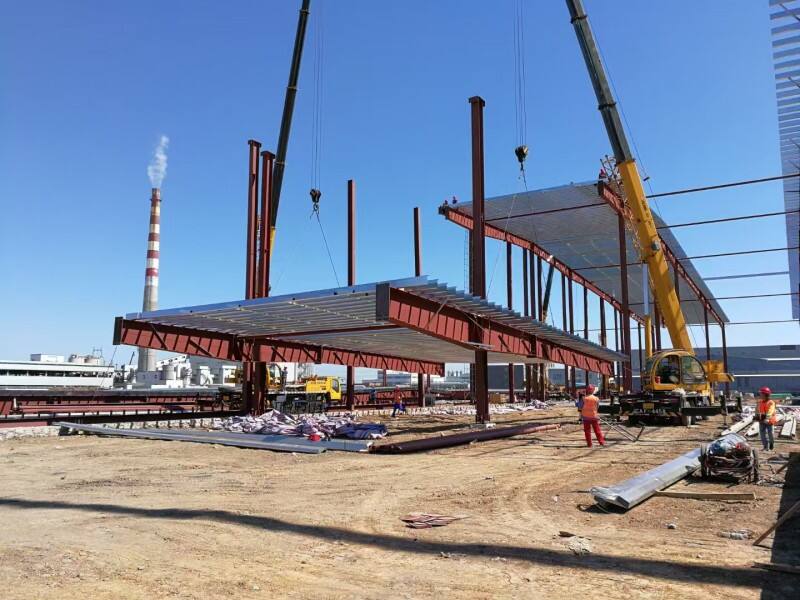
Structural Advantages of Steel Structure Buildings for Functional Adaptability
High Strength-to-Weight Ratio Enables Column-Free, Open-Plan Interiors
The amazing strength of steel relative to its weight means buildings can span over 100 feet between supports without needing any middle columns. This creates huge open spaces that work really well when businesses need to change what they do inside. Without those pesky support columns getting in the way, companies can quickly transform areas. A factory floor becomes office space overnight or turns into a display area for products. When there are no walls holding up the structure, floor space actually goes up about 15 to maybe even 20 percent compared to regular buildings. Plus fixing things later costs around 40 percent less than usual. Smart businesses take advantage of this flexibility. They can switch how they use their space within weeks instead of waiting months for big renovations. This not only makes buildings last longer but also cuts down on all that wasted material from tearing stuff down, which fits right in with today's green thinking about recycling resources.
Modular Framing Supports Phased Expansion and Layout Reconfiguration
Steel components that are prefabricated with standard connections really simplify both expansion and reconfiguration work. When companies want to add space horizontally, like extra warehouse bays, they can do so without stopping their regular operations. Going up instead of out works too, since adding another floor usually doesn't require major changes to the foundation. Inside the building, things get moved around all the time these days. Partition walls shift positions and mezzanines pop up here and there, typically done during those precious weekend shutdown periods when nobody's actually working inside. The modular nature of these systems means businesses don't have to spend big bucks upfront on complete construction projects. Studies show companies can save anywhere from 30 to 50 percent on costs by taking this phased approach. Take one logistics company as an example. They expanded their storage area three times bigger within just 18 months through gradual steel frame additions. Throughout this whole process, their facility remained operational at about 90% capacity most of the time. That kind of flexibility protects investments against future needs without breaking the bank for total overhauls down the road.
Steel Structure Buildings in Adaptive Reuse: From Industrial Legacy to Modern Multi-Use Spaces
Case Evidence: Converting Warehouses and Factories into Mixed-Use Hubs
Steel frame industrial buildings work really well for adaptive reuse projects these days. Old factories and warehouses get transformed into cool mixed use spaces where people live, shop, and work all under one roof. The strong steel frames, tall ceilings, and those big open interior spaces give architects plenty of room to play with different layouts for residential areas, retail spots, and office spaces. A lot of original features stick around too - think about those exposed beams and classic brick walls that many folks love to keep as part of the building's history. When we talk numbers, these kinds of renovations cut down on construction waste by about half compared to tearing everything down and starting fresh. Plus, because steel structures are so efficient, adding modern stuff like smart thermostats and LED lighting becomes much easier than in older buildings. This approach brings new life to neighborhoods both from an economic standpoint and environmentally, all while keeping that distinctive character that makes these places special.
Integrated Systems Design for True Multi-Functionality in Steel Structure Buildings
Seamless MEP Integration and Smart Building Infrastructure Readiness
With its open web design and regular connection points, steel framing really simplifies the integration of mechanical, electrical and plumbing systems. This means conduits and ductwork can run through the structure without weakening it. Contractors often report installation times drop around 30% when using these methods instead of traditional approaches. Another big plus is how adaptable steel structures are for modern smart buildings. Sensors, control systems and data lines can either be built right in during manufacturing or added later through those pre-drilled service channels. This kind of built-in flexibility pays off when implementing IoT solutions for energy management. Take real time HVAC adjustments as just one example they tend to reduce yearly operating expenses somewhere in the neighborhood of 15-20% according to what we see across the industry.
Performance Upgrades: Fire Resistance, Acoustic Isolation, and Thermal Efficiency
Modern steel buildings now come with all sorts of performance enhancing features while still keeping things flexible for different needs. Take those special intumescent coatings for instance they start expanding when temperatures hit around 200 degrees Celsius, creating these protective char layers that can hold up against fires for two whole hours without making walls any thicker than necessary. When it comes to sound management, combining steel concrete composite decks with certain damping materials gives buildings an STC rating of 55 which means they block out most of that annoying city or factory noise pretty well. On the temperature front, wrapping structures continuously with insulation and using specially designed cladding attachments cuts down on heat transfer points. This keeps overall U values under 0.28 W per square meter Kelvin and actually lowers heating and cooling costs by about 22 percent each year. All these improvements mean spaces aren't just functional anymore they become true high performers capable of handling whatever comes their way both now and in the future as requirements change.
Lifecycle Economics: Why Multi-Functional Steel Structure Buildings Deliver Higher ROI
Looking at the big picture, steel structures really stand out when we consider their lifetime costs. These buildings don't rot, resist bugs, and won't corrode over time, so they need far less maintenance work compared to other materials. Plus, with better insulation options and those thermal breaks built in, energy bills stay much lower throughout the years. Many insurers actually charge about 15 to 25 percent less for steel buildings because they hold up better in fires. What makes steel truly valuable though is how easy it is to modify later on. When businesses want to change floor plans, update electrical systems, or expand operations, the basic steel framework stays intact. No tearing down walls or major reconstruction needed. According to industry reports, overall costs across the building's life can be around 30% cheaper than standard construction methods. This translates to faster returns on investment since tenants stick around longer, there's less time lost during renovations, and the property maintains its value decade after decade.
Frequently Asked Questions (FAQ)
What are the benefits of open-plan interiors in steel buildings?
Open-plan interiors allow for flexibility in space usage, increasing usable floor space by 15-20% compared to traditional buildings and facilitating quick adaptations to changing business needs.
How does modular framing work in steel buildings?
Modular framing utilizes prefabricated steel components with standard connections, allowing for phased expansions and layout reconfigurations, thus reducing construction costs by 30-50%.
Can steel buildings support adaptive reuse projects?
Yes, steel buildings are ideal for adaptive reuse, transforming old structures into modern multi-use spaces while preserving their original features and reducing construction waste by about 50%.
What performance upgrades can be integrated into steel buildings?
Steel buildings can include features like fire-resistant coatings, acoustic insulation, and improved thermal efficiency through specialized materials, enhancing overall building performance.
Why do steel structure buildings offer a higher ROI?
Due to their durability, low maintenance needs, and adaptability, steel buildings have lifetime costs up to 30% lower than traditional buildings, providing faster returns on investment.
Table of Contents
- Structural Advantages of Steel Structure Buildings for Functional Adaptability
- Steel Structure Buildings in Adaptive Reuse: From Industrial Legacy to Modern Multi-Use Spaces
- Integrated Systems Design for True Multi-Functionality in Steel Structure Buildings
- Lifecycle Economics: Why Multi-Functional Steel Structure Buildings Deliver Higher ROI
- Frequently Asked Questions (FAQ)