 EN
EN

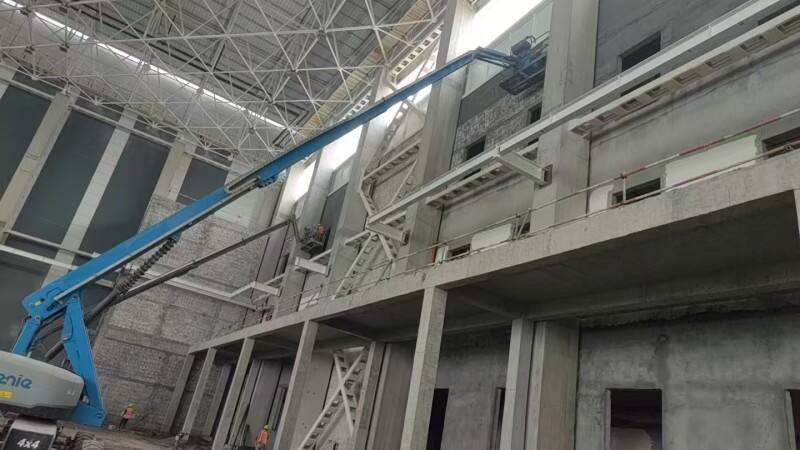
Clear-Span Design: Uninterrupted Floor Space in Steel Structure Buildings
How Clear-Span Framing Eliminates Interior Columns and Obstructions
Steel buildings with clear span framing get rid of those pesky interior support columns altogether, which means we're talking about completely open floor spaces. Traditional buildings need those heavy duty pillars spaced roughly 30 to 50 feet apart, but clear span designs can stretch over 100 feet wide without any supports. The absence of columns makes a real difference in how these spaces function. Warehouses report getting around 40 percent extra storage room when they switch to this system. Logistics centers see something like 35% reduction in those annoying material handling issues too. Think about it folks - forklifts, those AGVs that run themselves, and even old fashioned pallet jacks can zip around anywhere on the floor. No more dodging columns or fighting limited space. This freedom allows companies to pack their racks tighter, set up temporary work areas wherever needed, and integrate automated systems as business grows.
Steel’s High Strength-to-Weight Ratio Enabling Spans Up to 300 Feet
The reason steel can create such vast open spaces comes down to its amazing strength compared to how much it weighs. When engineers build structures using trusses, those strong frame systems, plus those specially shaped beams, they manage to carry all the weight from roofs and whatever else sits on top right out to the edges of the building. No need for those annoying interior support columns even when talking about buildings almost 300 feet wide! Wood, concrete, and brick just cant compete with steel when it comes to how far things can stretch across and how easy they are actually to put together. And dont forget about prefabrication either. These factory-made parts fit together so precisely because they're cut exactly to spec, which means faster construction times. Think about massive airplane hangars needing clear space under 200 feet high ceilings or warehouses where every square inch counts for storing goods and moving around equipment efficiently.
Vertical Space Optimization Through Steel’s Structural Advantages
Mezzanines, Lofts, and Overhead Storage Systems for Multi-Level Utility
The strength of steel really pays off when it comes to going up instead of out. Vertical expansions become much more feasible from both a cost and practical standpoint. Take mezzanine floors for instance, these things transform empty space above into actual working area. Cantilevered lofts do something similar but leave most of the floor clear beneath them. And let's not forget about suspended racking systems which stack goods high without taking up precious ground space. Companies often install modular mezzanines right over their production lines for storing inventory or even setting up small offices. Cantilevered lofts give workers dedicated spots to work without cluttering the main floor. When looking at buildings with around 30 feet between the ceiling and floor, adding a full height mezzanine still leaves plenty of room for machines and people to move around down below. This approach cuts down on how much land is needed compared to traditional single story setups by roughly 40 percent according to industry data.
Strategic Eave Height and Column-Free Volume for Future-Proof Flexibility
When buildings have those higher eave heights around 16 to 30 feet, they gain something really valuable over time. Steel construction lets these spaces stretch across 300 feet without needing any interior support columns. What does that mean? Plenty of open vertical space perfect for things like tall automated storage systems, big overhead cranes, conveyor belts running all through the place, or even adding new equipment later on. Without all those pesky columns getting in the way, companies can change their operations much easier. Some businesses actually see their setup times cut down by about 30 percent compared to older buildings with columns everywhere. The real kicker is how this kind of design keeps buildings useful for way longer. Instead of tearing walls down or doing expensive renovations every few years, facilities stay relevant decade after decade without major headaches.
Interior Adaptability: Reconfigurable Layouts Enabled by Steel Structure Buildings
Movable Walls, Modular Partitions, and Expandable Bay Configurations
The modular nature of steel makes it possible for interiors to adapt dynamically over time. When companies need to rearrange their space, they can move or take down non-load bearing walls and partitions without worrying about damaging the building's structure. Spaces transform easily from open areas where teams collaborate, to private workspaces, manufacturing sections, or combinations depending on what the business needs at any given moment. The prefabricated components connect with bolts, which means when changes are needed, most renovations happen much faster than traditional methods typically require. Sometimes these updates take just a few days instead of several weeks, so businesses don't lose too much productivity during transitions. Some buildings even have expandable bay designs built right in. Extra bays can simply attach alongside existing ones using compatible materials and finishes, making room for expansion without having to tear everything apart and start fresh. According to industry reports, this kind of flexibility can cut relocation expenses anywhere between 30% to 40%, helping facilities stay aligned with changing business goals rather than fighting against them.
Efficient Layout Planning: Aligning Steel Structure Building Design with Operational Workflow
Smart layout planning turns steel buildings from just empty spaces into real workhorses that boost productivity. When designers map out how materials move through the facility—from when they arrive for inspection all the way to storage, assembly areas, and finally shipping points—they spot ways to cut down on wasted movement, stop traffic jams inside the building, and simplify how things get handled. Take fast moving inventory items placed close to loading docks as an example. This simple change can shorten picking routes by anywhere between 30 to 40 percent. Getting machines lined up properly along production lines saves time and money by avoiding those frustrating backward moves workers have to make. The big advantage of steel structures comes from their open floor plans (some span over 300 feet!) and regular spacing between columns. These characteristics let planners create efficient straight line operations, set aside space for automated systems, and even rearrange sections later without worrying about structural limitations. Companies that bring workflow considerations into the design phase end up with buildings where everything makes sense spatially. This kind of thoughtful planning typically increases output while cutting yearly operating expenses somewhere around 15 to 25 percent.
FAQ
What is a clear-span design in steel structure buildings?
A clear-span design in steel structure buildings eliminates interior support columns, providing uninterrupted floor space. This design is particularly beneficial for warehouses, logistics centers, and hangars.
How does steel's strength-to-weight ratio benefit construction?
Steel's high strength-to-weight ratio allows for wide open spaces without interior supports, capable of spanning up to 300 feet. This makes construction more efficient and flexible compared to other materials like wood or concrete.
What are the benefits of vertical space optimization?
Vertical space optimization allows for multi-level utility with mezzanines, lofts, and overhead storage systems, maximizing the use of available space and reducing land usage by approximately 40%.
How do steel structure buildings achieve interior adaptability?
Steel structures allow for reconfigurable layouts with movable walls and modular partitions, enabling easy space adaptation without structural damage.
Why is layout planning important in steel structure buildings?
Efficient layout planning maximizes productivity by optimizing material flow and space utilization, reducing operational costs by 15 to 25%.
Table of Contents
- Clear-Span Design: Uninterrupted Floor Space in Steel Structure Buildings
- Vertical Space Optimization Through Steel’s Structural Advantages
- Interior Adaptability: Reconfigurable Layouts Enabled by Steel Structure Buildings
- Efficient Layout Planning: Aligning Steel Structure Building Design with Operational Workflow
-
FAQ
- What is a clear-span design in steel structure buildings?
- How does steel's strength-to-weight ratio benefit construction?
- What are the benefits of vertical space optimization?
- How do steel structure buildings achieve interior adaptability?
- Why is layout planning important in steel structure buildings?